Transcript | Guest Host Iza Ding with Deborah Seligsohn: Inside COP30 in Belem, Brazil, and China's Climate Leadership
Deep Dives
Explore related topics with these Wikipedia articles, rewritten for enjoyable reading:
-
United Nations Climate Change Conference
13 min read
The article centers on COP30 discussions and climate diplomacy. Understanding the history, structure, and evolution of these conferences provides essential context for how negotiations work, what NDCs mean, and why certain outcomes matter.
-
Pollution in China
11 min read
The article debunks the 'Silent Spring moment' narrative about the 2007 U.S. Embassy air monitor and discusses what actually drove China's pollution control (2003 power plant standards). This Wikipedia article provides the broader context of China's air quality crisis and policy responses.
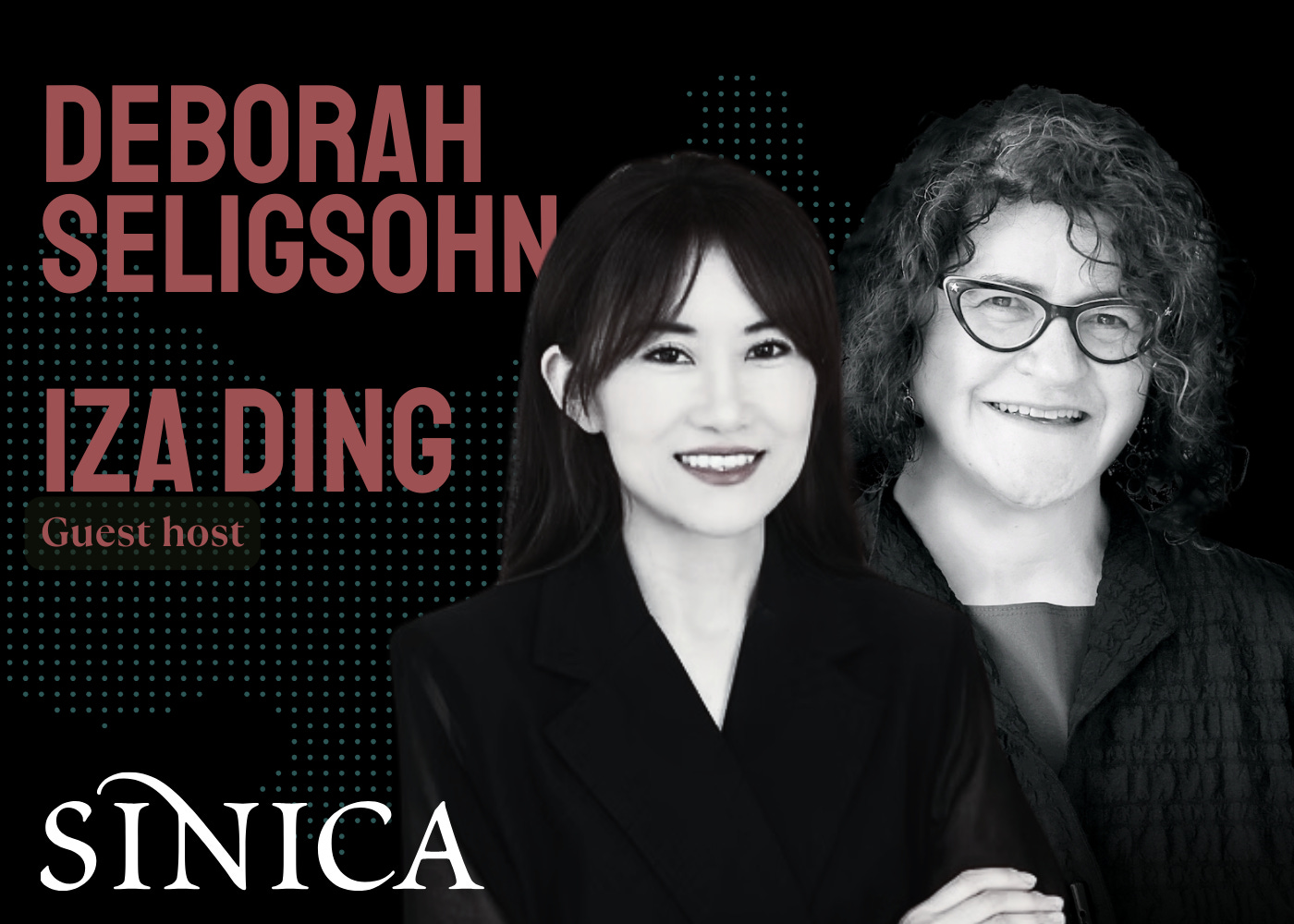
This week on Sinica, I’m delighted to have Iza Ding as guest host. Iza is associate professor of political science at Northwestern University and a good friend whose work on Chinese governance I greatly admire. She’s joined by Deborah Seligsohn, who has been a favorite guest on this show many times. Deb is an associate professor of political science at Villanova University and previously served as the science and environmental counselor at the U.S. Embassy in Beijing. This episode was recorded in three parts: the first two in Belém, Brazil, during COP30 (the 30th UN Climate Change Conference), and the final segment after the conference concluded. Iza and Deb discuss China’s role at the climate summit, the real story behind the famous 2007 U.S. Embassy air quality monitor in Beijing (spoiler: it wasn’t China’s “Silent Spring moment”), Brazil’s management of the conference, why China leads on technology but not on negotiation, and what the outcomes of COP30 mean for the future of global climate cooperation. This is an insider’s view of how climate diplomacy actually works, complete with unexpected fire evacuations and glut-shaming of The New York Times.
3:43 – Deb’s impressions of COP30 and Brazil’s inclusive approach
9:21 – China’s presence at COP30: technology leadership without negotiation leadership
15:34 – Xie Zhenhua’s absence and the U.S.-China dynamic at previous COPs
24:46 – Inside the negotiation rooms: language, politeness, and obstruction
33:06 – BYD’s presence in Brazil and Chinese EV expansion 40:54 – The real story of the 2007 U.S. Embassy air quality monitor in Beijing
45:00 – Fire evacuation at COP30 and UN territorial sovereignty
1:22:06 – What actually drove China’s air pollution control: the 2003 power plant standards
1:41:27 – The dramatic final plenary and the Mutirão decision
1:55:17 – China’s NDC 3.0: under-promise and over-deliver strategy
Transcript:
Iza Ding: Hi, listeners. Welcome to the Sinica Podcast, a weekly discussion of current affairs in China. In this program, we look at books, ideas, new research, intellectual currents, and cultural trends that will help us better understand what’s happening in China’s politics, foreign relations, economics, and society. Join Sinica each week for in-depth conversations that shed more light and bring less heat to how we think and talk about China.
I am not Kaiser Kuo on helium. I’m Iza Ding — this week’s guest host. I’m here with our guest today and my dear friend, Dr. Deborah Seligsohn, who
...This excerpt is provided for preview purposes. Full article content is available on the original publication.