The Week Observed: October 24, 2025
What City Observatory Did this Week
The Oregon Department of Transportation’s worsening reign of error. The cost of ODOT mega-projects continues to explode, blowing up the state’s budget. Despite claiming its becoming better managed and more accountable, ODOT megaproject budgets continue to spiral out of control.
Every major Oregon highway project routinely sees its costs double or triple. The latest instances are in Salem and Hood River:
The proposed Salem Center Street Bridge seismic improvement project has grown from an estimated $60 million in 2017 to $470 million now, a nine-fold increase.
A proposed Hood River Bridge across the Columbia River has doubled in price from $512 million to $1.1 billion.
Nearly three years ago, we described ODOT’s mega-project cost-excesses as a “reign of error.” But in the succeeding time, even as it claimed to care deeply about accountability and efficiency, the cost of every single major project has continued to increase. These chronic cost overruns, and not slow-growing revenues are the source of the agency’s financial problems--something they have yet to admit.
Must Read
Federal transportation re-authorization needs to hold states accountable for results. The ENO transportation institute had a panel discussion about the potential up-coming re-authorization of federal transportation legislation. It heard from experts in transit, active transportation, and transportation policy. We were most struck by comments from Beth Osborne--newly designated president and CEO of Smart Growth America and Transportation for America.
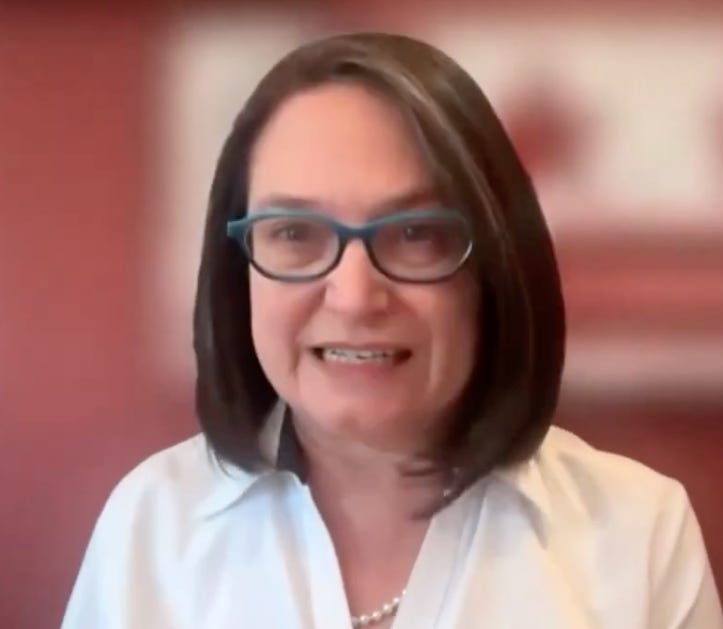
Previously, she’s pointed out that transportation legislation has tended to provide token categorical support for non-highway modes, while allocating most funds to state highway agencies with no accountability. The result is we get either nothing, or just more of the same for our transportation investment:
...When Osborne was asked whether the federal government should prescribe specific uses for transportation funds or allow states greater discretion in how they use federal funds, she responded emphatically and passionately, “We’ve been told that we were going to get safer roads. Wrong. Lied. We were going to get better roads and bridges and they would be brought into a state of repair. Lie. We were going to get less congestion. Another lie.
She reminded the webinar attendees that accountability was one of her primary concerns. “At some point,” she said, “We need a process that gives the people what they were promised or cuts off the funds. And we can do that by telling
This excerpt is provided for preview purposes. Full article content is available on the original publication.