For Success at the Polls, Dems Look to the Pews
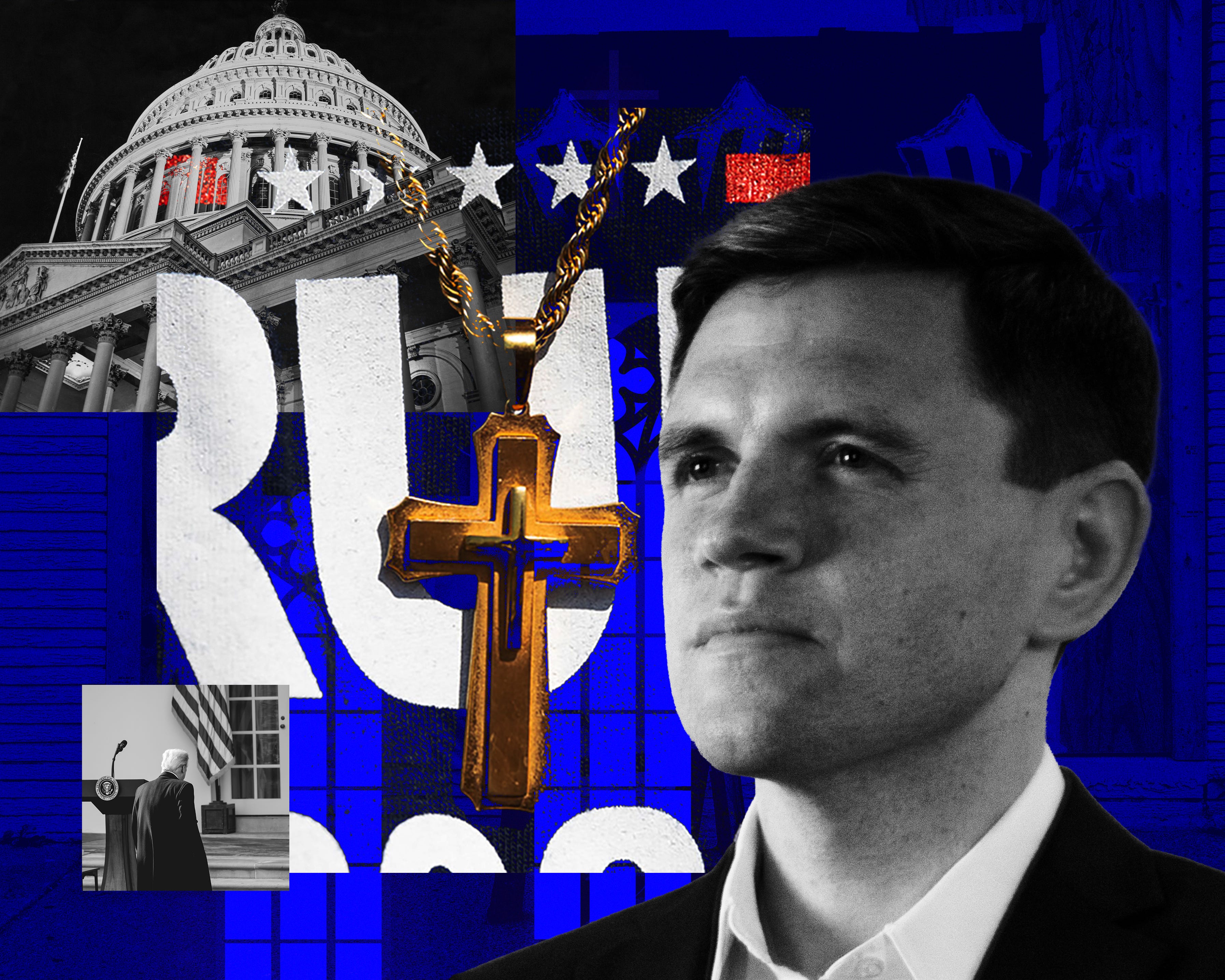
THEY HAVE THE FAITH. Now they just need the majority.
As Democrats scope out the emerging midterm landscape, party strategists and officials have grown excited about the number of candidates for whom religion is a major part of their biography and identity.
The most prominent so far is James Talarico, the middle school teacher turned Texas state representative running for U.S. Senate. The grandson of a Baptist preacher, Talarico is an outspoken Christian and an aspiring Presbyterian minister.
But Talarico is far from the only Democratic candidate notable for the role of faith in his life. There is also Sarah Trone Garriott, a Lutheran minister, who has a shot at flipping Iowa’s 3rd Congressional District. Meanwhile, in the state’s 2nd Congressional District, Lindsay James, an ordained Presbyterian pastor, and Clint Twedt-Ball, a United Methodist pastor, are both vying for the party’s nomination. Matt Schultz, the head pastor of Anchorage’s First Presbyterian Church, is running for Alaska’s sole congressional seat. Chaz Molder, a small-town mayor and Sunday school teacher, is running in Tennessee’s fifth district. The list goes on.
Democratic leaders and strategists are eager to see whether the party can regain ground among faith-based voters by running candidates of the cloth. But the candidates themselves, several of whom I spoke with in recent days, also see their entry into elected politics as symbolic of a larger development: the public recoiling at the immorality and cruelty of the Trump administration.
“People of faith are more and more stepping forward to run for office because part of the job of being a pastor is, to use the metaphor, ‘to be a shepherd,’” Schultz told me in a phone call from his home in Anchorage last month. “All of these people are coming to me and saying, ‘Please, won’t you help me? Please, won’t somebody do something to stop this onslaught of cruelty? We’re crying out in pain.’ And as a pastor, it’s my duty to stand between the abusers and the abused.”
The other candidates I spoke with had similar reflections. They didn’t see themselves as inherently political. But they felt morally and spiritually called to run for office. Much of their motivation arose from Trump’s treatment of immigrants and his slashing of the social safety net. But their aperture extended further back than the current administration. They felt that for too
...This excerpt is provided for preview purposes. Full article content is available on the original publication.