Europeans Ate Egyptian Mummies For 700 Years while Labelling POC as "Cannibals" | Essays on Egypt #2
Deep Dives
Explore related topics with these Wikipedia articles, rewritten for enjoyable reading:
-
Paracelsus
1 min read
The article mentions Paracelsus as influential in promoting fresh corpse medicine over ancient mummies. His revolutionary yet controversial medical theories shaped European medicine for centuries and provide deeper context for why corpse medicine was considered legitimate science.
-
Mummy brown
12 min read
The article mentions this pigment made from ground mummies was used in famous paintings including Delacroix's work, with the last tube manufactured in 1964. This specific artistic use of human remains is a fascinating and lesser-known aspect of the mummy trade.
-
Michel de Montaigne
14 min read
The article quotes Montaigne's 1580 essay noting European hypocrisy about cannibalism. His philosophical essays pioneered cultural relativism and his specific critique of European attitudes toward indigenous peoples provides important intellectual context for the colonial hypocrisy theme.
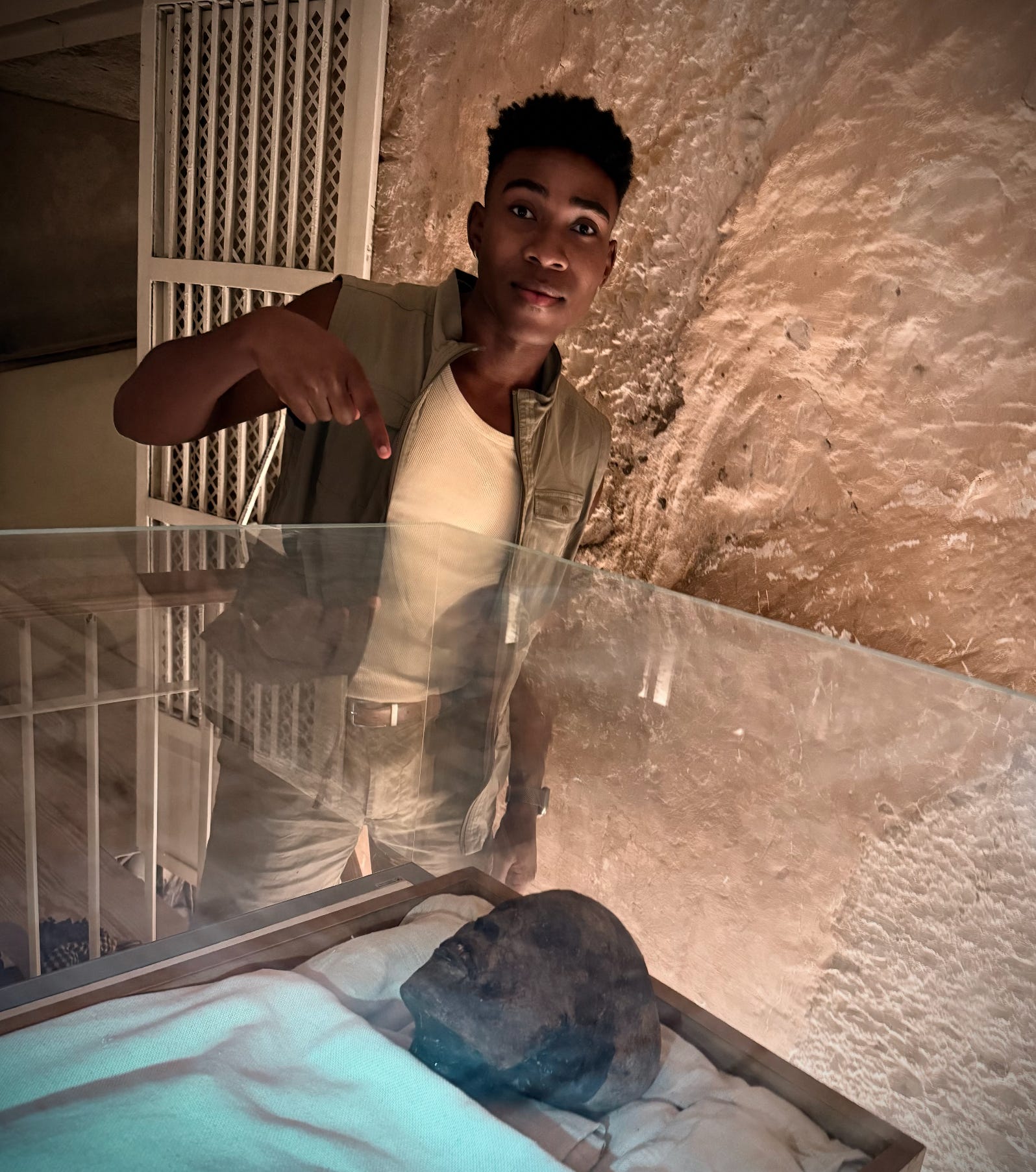
Last month, I descended into the tomb of boy-King Tutankhamun in the Valley of the Kings in Luxor, Egypt. The air was thick and hot as I approached his mummified remains, which had been preserved for over 3,000 years.
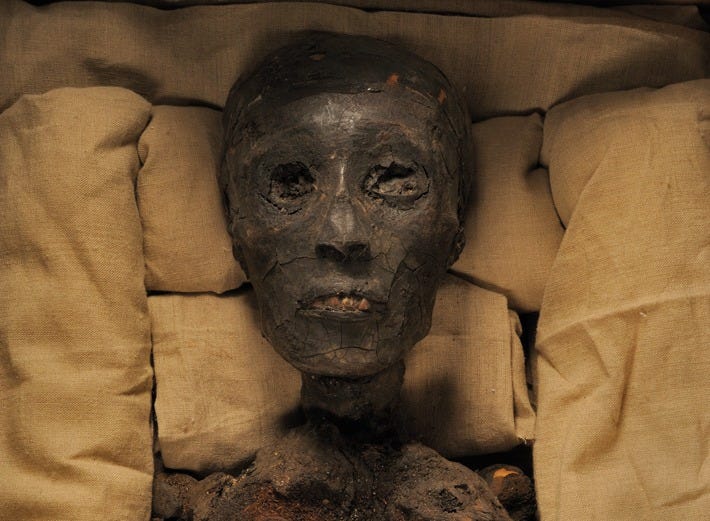
In a way, this amazing feat of preservation wasn’t a rarity. The ancient Egyptians mummified hundreds of thousands of their dead across millennia, perfecting a process that defies time itself. Given this vast scale of mummification—from pharaohs to priests to wealthy merchants—you’d expect Egypt’s tombs to overflow with preserved remains. Yet today, tombs across the country sit conspicuously empty. One of the shocking reasons is that, for nearly 700 years, Europeans ground up Egyptian mummies and ate them.
I’m fighting to document stories of cultural erasure like Egypt’s plundered tombs before they’re dismissed as ancient history or forgotten entirely—and I need your help!
With no corporate backing or wealthy sponsors, this work depends entirely on readers like you.
If everyone reading this became a paid subscriber, I could investigate these patterns of exploitation full-time, but right now less than 3% of my followers are paid subscribers.
If you believe in journalism that exposes how colonialism literally consumed other cultures when others look away, please consider a paid subscription today!
The Translation Error That Started It All
The mummy-eating craze began with a translation error. In the 11th century, Arabic medical texts praised “mumia,” a rare bitumen substance that seeped from a single Persian mountainside. This black, waxy petroleum product did have legitimate uses like waterproofing ships and treating wounds. But when European translators encountered the word, they confused it with the similar-looking resin coating of Egyptian mummies.
One Italian translator, Gerard of Cremona, declared mumia was created when “the liquid of the dead, mixed with the aloes, is transformed.” Another scholar insisted it formed when spices used in mummification mixed with bodily fluids. These misunderstandings launched a centuries-long medical delusion that would empty Egypt’s tombs.

By the 12th century, Crusaders returning from the Middle East brought tales of this miraculous “mummy medicine.” Shrewd merchants in Alexandria quickly realized they were sitting on a goldmine. Why bother extracting rare bitumen when thousands of resin-coated corpses lay beneath the sand? They began raiding tombs, breaking bodies apart, and shipping the pieces to European apothecaries. The medieval mind
...This excerpt is provided for preview purposes. Full article content is available on the original publication.