#60 (tie): ‘Daughters of the Dust’: The Reveal discusses all 100 of Sight & Sound’s Greatest Films of All Time
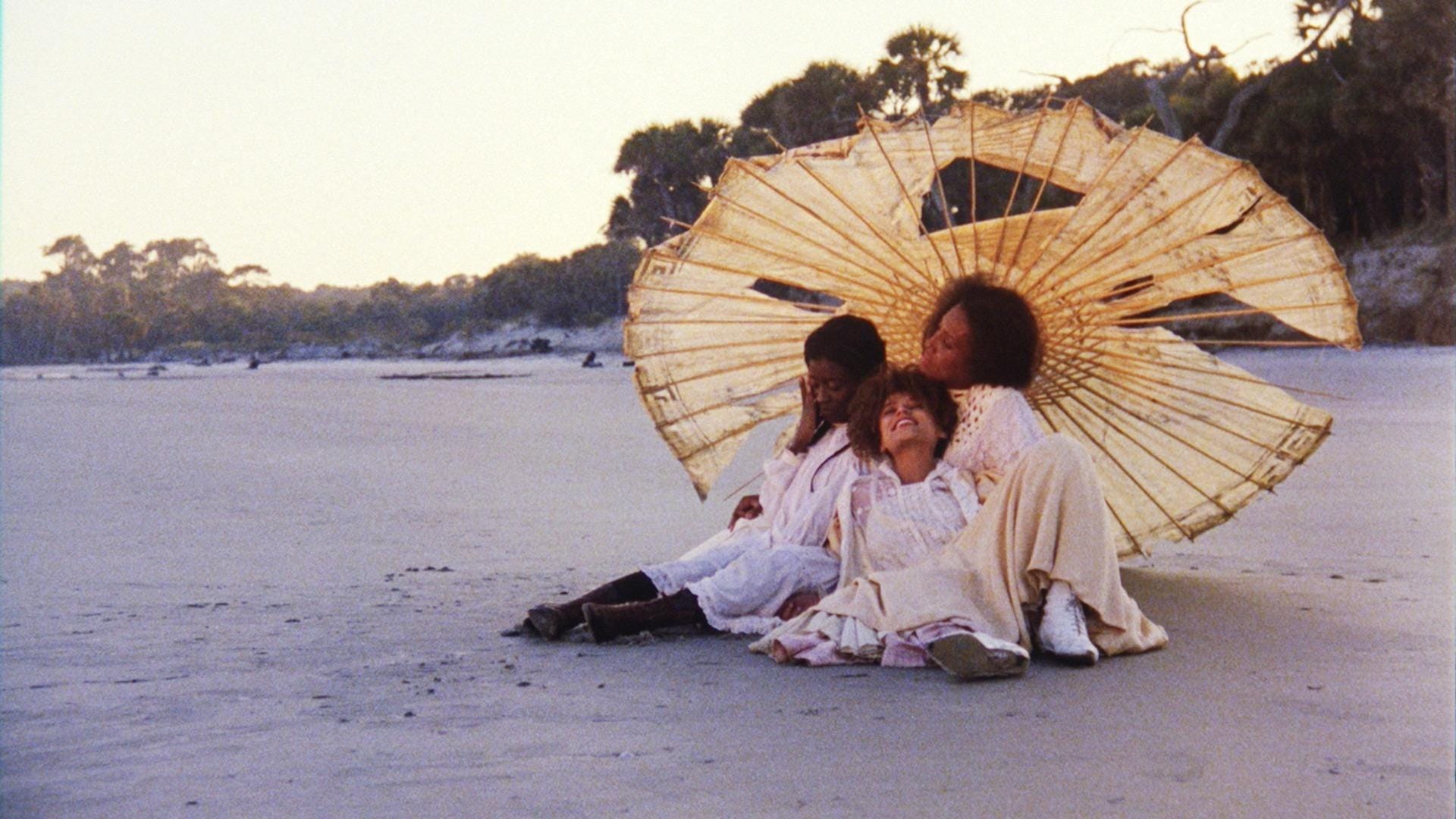
On December 1st, 2022, Sight & Sound magazine published “The Greatest Films of All Time,” a poll that’s been updated every 10 years since Bicycle Thieves topped the list in 1952. It is the closest thing movies have to a canon, with each edition reflecting the evolving taste of critics and changes in the culture at large. It’s also a nice checklist of essential cinema. Over the course of many weeks, months, and (likely) years, we’re running through the ranked list in reverse order and digging into the films as deep as we can. We hope you will take this journey with us.
Daughters of the Dust (1991)
Dir. Julie Dash
Ranking: #60 (tie)
Previous ranking: N/A
Premise: In 1902, members of the Peazant family prepare to leave their home on Dataw Island, one of the Sea Islands off the Georgia coast, for the mainland and life in the north. This means leaving behind a unique Gullah culture in which Western and Christian traditions have been blended, not always harmoniously, with African beliefs and practices. The move inspires contrasting feelings in the family. Nana (Cora Lee Day), the family’s matriarch, is reluctant to leave. Viola (Cherly Lynn Bruce) and her cousin “Yellow” Mary (Barbara-O) have returned from the mainland in the company of a photographer named Mr. Snead (Tommy Redmond Hicks) and a woman named Trula (Trula Hoosier), who appears to be Mary’s lover. Eula (Alva Rogers) and Eli (Adisa Anderson) are preoccupied with Eula’s pregnancy and the child who might be the result of her rape at the hands of a man she won’t name. (Eula’s child, billed as the Unborn Child (Kai-Lynn Warren), provides occasional narration and sometimes appears as a fantasy figure.) Iona’s (Bahni Turpin) love for the Cherokee man Julien (M. Cochise Anderson) has her pondering whether or not she can go. As they prepare, the film explores the life they plan to leave behind and consider their hopes for the future.
Keith: Daughters of the Dust writer-director Julie Dash opens her film with a pair of title cards explaining the origins of the Gullah communities that populate the islands off of South Carolina and Georgia, but the film otherwise invites viewers to figure it out for themselves. We get glimpses of elements of island life that are never explained in full. Here’s an example: in one shot, some of the children play a game that
...This excerpt is provided for preview purposes. Full article content is available on the original publication.