Immigration enforcement’s accountability gap
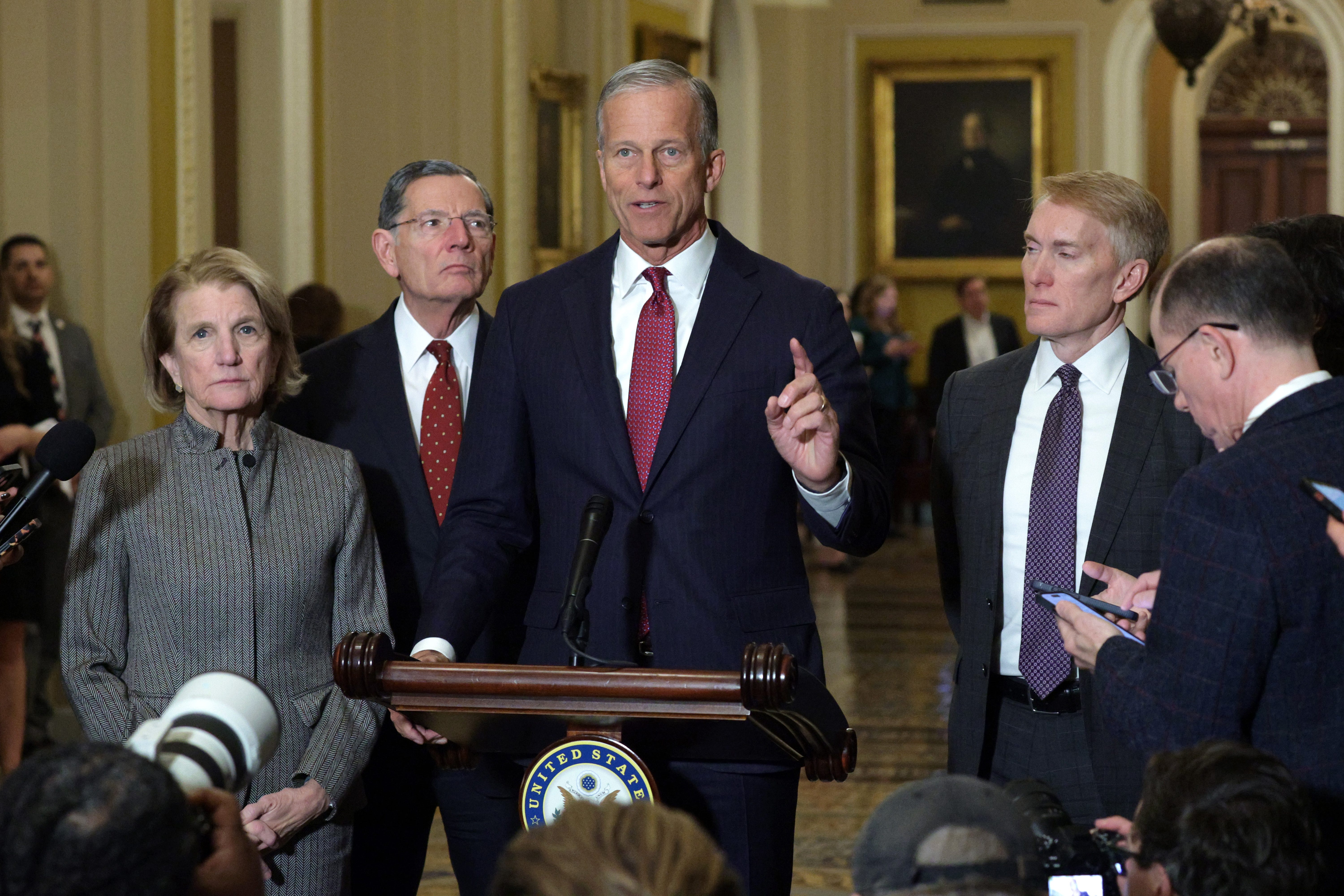
The Senate is currently voting on a deal struck Thursday that separates Department of Homeland Security (D.H.S.) funding from five other spending bills and gives lawmakers two weeks to negotiate a new deal on immigration enforcement.
If this vote passes both the Senate and the House (likely on Monday), D.H.S. will be funded with a two-week continuing resolution as both parties attempt to hash out a longer-term deal for the department. Democrats are demanding concessions on federal immigration enforcement, including an end to roving patrols, tighter warrant rules, use-of-force accountability, and requirements that agents wear identification and body cameras. Full-year funding for the other agencies will pass unobstructed. If the vote fails, the federal government will be partially shut down until an agreement can be reached.
Republicans control both houses of Congress, but some Democratic senators are required to overcome a filibuster in the upper chamber. With Senate Democrats hanging together, President Donald Trump and Senate Minority Leader Chuck Schumer are negotiating restrictions on immigration enforcement as the price for Democratic cooperation on a funding bill that would continue the normal operations of departments such as defense, labor, and health and human services through September.
But the deeper story is an institutional design failure that has allowed immigration enforcement to operate without the basic rules and oversight that apply to virtually every other form of law enforcement in America.
Immigration enforcement, in principle, applies to non-citizens, and for that reason agencies like Immigration and Customs Enforcement (ICE) and Customs and Border Protection (C.B.P.) operate under norms and rules that diverge from mainstream American law enforcement. Sometimes this happens deliberately (as with administrative warrants) and sometimes it happens through neglect (as with body cameras). The result is a system that operates with less oversight and transparency, a reality that has been increasingly on display as the Trump administration aggressively deploys immigration-enforcement personnel on the streets of American cities.
The political challenge is that immigration is such a polarized issue that basic governance questions get subsumed into larger debates about whether there should be more or less enforcement. But, crucially, enforcement is a separate policy from governance, and the former isn’t what this article is about. You can believe in robust immigration enforcement and believe that agents should wear cameras and need judicial warrants
...This excerpt is provided for preview purposes. Full article content is available on the original publication.