Would your home have been under a motorway?
Deep Dives
Explore related topics with these Wikipedia articles, rewritten for enjoyable reading:
-
Westway (London)
12 min read
The article mentions the West Cross Route and the existing motorway at White City as the only portion actually built from the Ringways plan. The Westway is this surviving fragment, and understanding its controversial construction and lasting impact on North Kensington provides concrete context for what the full Ringways scheme would have meant for London.
-
Beeching cuts
12 min read
The Ringways were planned in the same 1960s era as the Beeching railway closures, reflecting the same political consensus that cars were the future and rail was obsolete. Understanding how this parallel transport policy reshaped Britain illuminates the thinking behind the Ringways and why both are now viewed with regret.
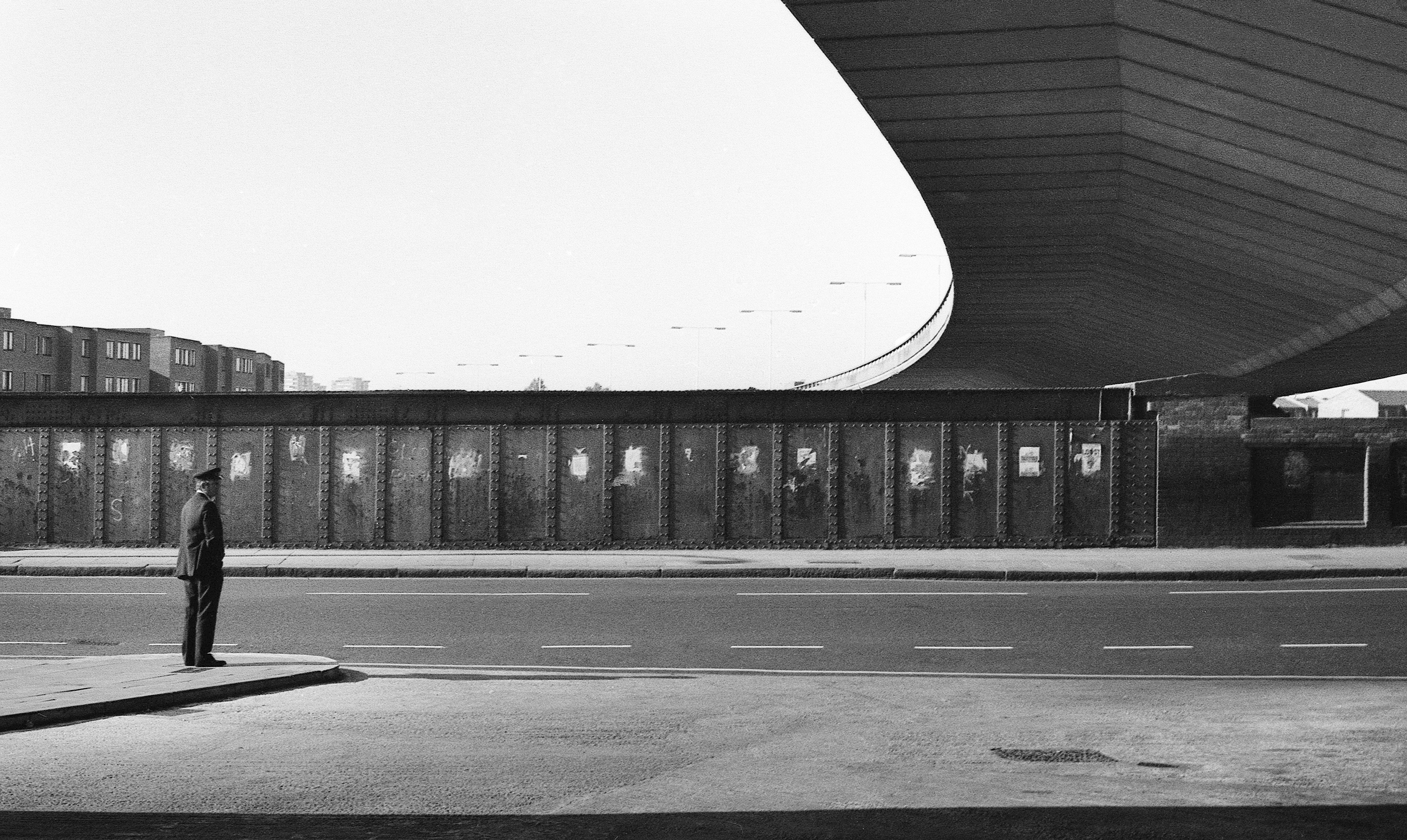
Imagine walking out of Camden Town tube station, turning north towards Camden Market and finding yourself facing a twelve-lane concrete motorway full of roaring traffic. This was the intended outcome of the 1960s Ringways plan to drive four giant circular roads through the capital in order to enable millions of Londoners to drive their private cars straight through the heart of the city.
I tend to focus London Centric on investigations into things that are happening now. But just occasionally it’s worth looking back and considering the route not taken by previous generations. I’m obsessed with how ideas that seem logical or necessary in one era can be viewed with bafflement just a few years later — and guessing which policies of our current era will soon be treated with the same disdain.
One person who’s even more fascinated with the Ringways than me is Chris Marshall, who describes it as “the most astonishing and destructive thing never to happen to London”. He’s spent two decades piecing together what he believes to be the first truly accurate map ever made of the abandoned plan to cover London with US-style motorways. This week he finally published it and has taken the time to talk it through with London Centric readers.
Scroll down to find out if your home would have been under a giant motorway junction — and see which parts of London would have disappeared for good under a road.
Got a story for London Centric? Get in touch with us here.
The man who spent 20 years building the first map of the London motorways that were never built
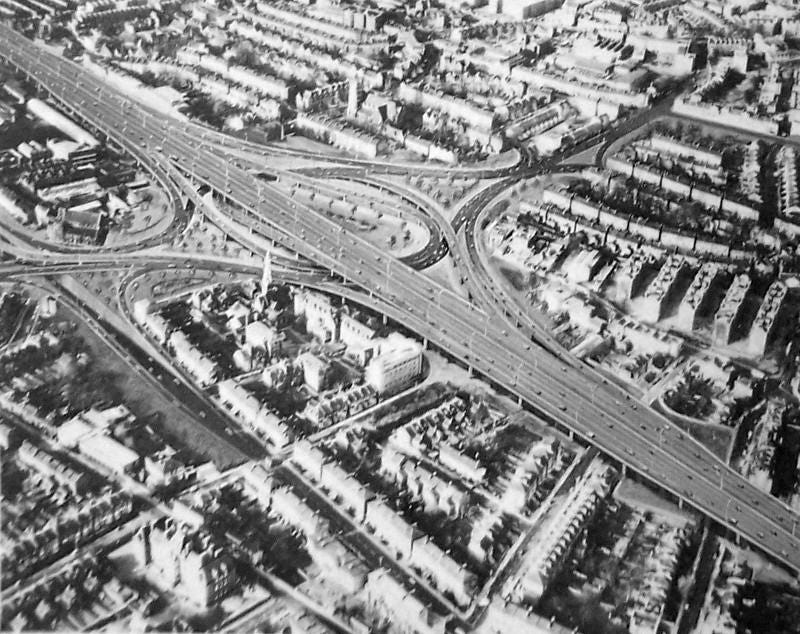
In the 1960s there was one big thing causing panic among the capital’s politicians and planners: the ever-growing popularity of the private motor car. London was being overwhelmed by booming car ownership and not enough was being done to avoid permanent gridlock. The proposed solution was the Ringways, hundreds of miles of orbital motorways that would cut through the capital, often elevated above the city.
Vast chunks of London’s Victorian housing and public parks would have to be obliterated to make room for these giant roads — but that was seen as just a necessary evil given the seemingly inexorable
...This excerpt is provided for preview purposes. Full article content is available on the original publication.