Don't discount American democracy's resilience
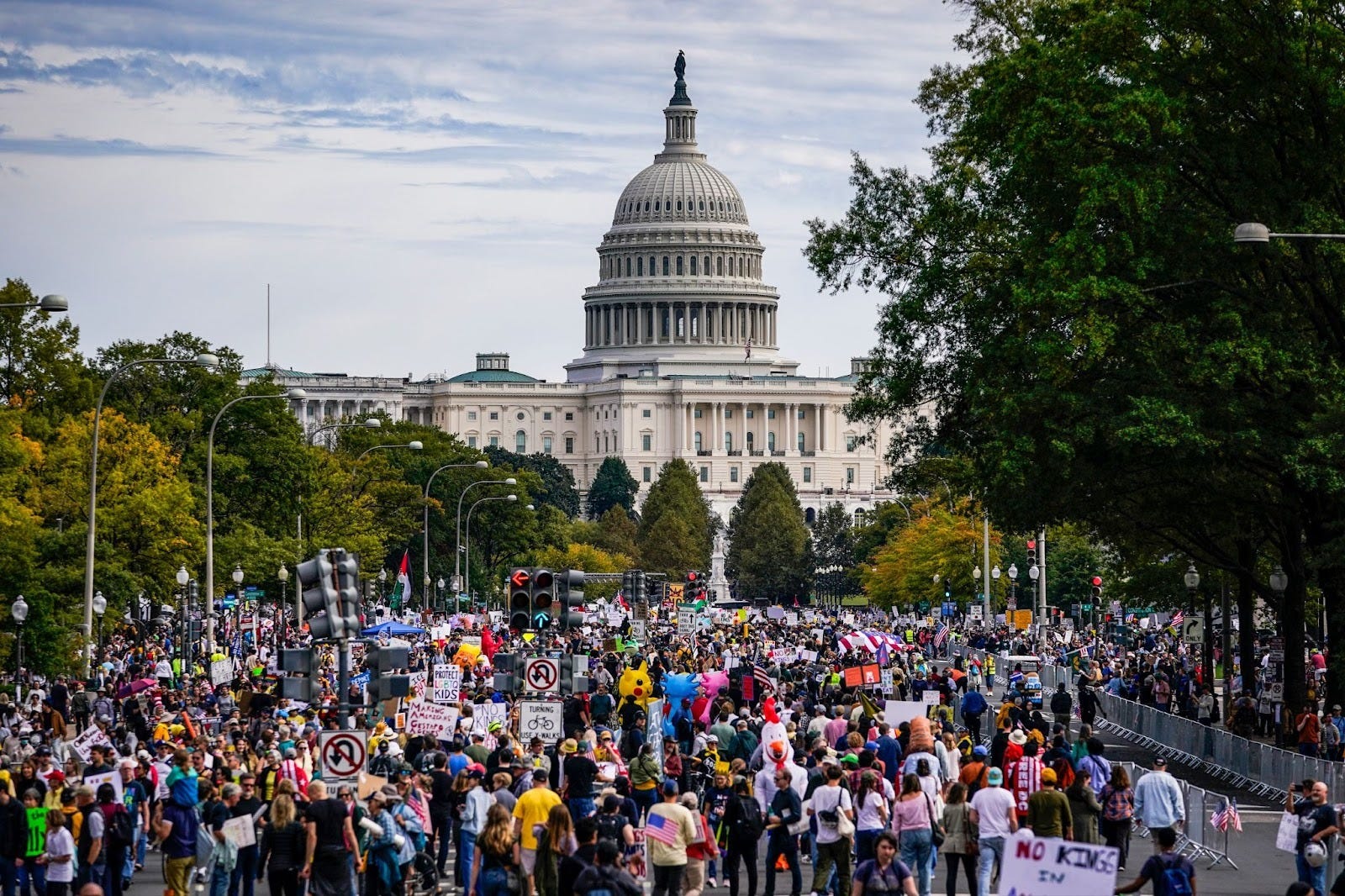
In the process of doing a lot of thinking lately about how it’s going in America1, I’ve found myself not really vibing with some of the pessimism I see elsewhere, the constant proclamations that the U.S. has crossed the Rubicon into authoritarianism.
It’s prudent to consider worst-case scenarios. What makes the situation especially hard to assess is that there’s no particularly clear precedent for the situation the United States finds itself in right now. No country with this long a democratic tradition has faced this much of a threat to it, and the U.S. is exceptional in general for being the wealthiest nation in world history, perhaps on the verge of a profound economic and technological transformation. No one should be confident about how the story ends. But it can also be hard to see the world through clear eyes when you’re constantly in crisis mode.
For instance, I think it’s reasonable to feel more optimistic about democracy after what’s happened in Minneapolis. Some of what’s been going down there is truly vile: check out this video of former Border Patrol chief Greg Bovino psyching up ICE agents in Minneapolis, for instance. “Arrest as many people who touch you as you want. Those are the general orders, all the way to the very top!” Bovino said. That’s about as authoritarian an attitude as I’ve seen in my lifetime in the United States.
But the people have pushed back. The normies are with the protestors, not the cops, and the White House has been in retreat, demoting Bovino last week.
To cut right to the chase, my critique is not so much that these pessimistic accounts overstate the threat to American democracy. Rather, it’s that they underrate the capacity of the world’s longest-standing democracy to play defense. Or if you prefer, they underrate the resistance. Both the capital-R “Resistance” in the form of things like the protests in Minneapolis, as well as Trump’s broader unpopularity.
Democracy vs. authoritarianism as a two-dimensional problem
It’s common to think of democracy vs. authoritarianism as existing along a one-dimensional spectrum. The Economist Intelligence Unit, for example, classifies countries on a scale from 0 (authoritarian) to 10 (most democratic). As of 2024, their last report, they rated the United States at 7.85,
...This excerpt is provided for preview purposes. Full article content is available on the original publication.