Turnabout Is Fair Play
Deep Dives
Explore related topics with these Wikipedia articles, rewritten for enjoyable reading:
-
Rare-earth element
14 min read
The article centers on rare-earth elements and their strategic importance, but most readers likely don't understand the chemistry, geology, and extraction challenges that make these 17 elements so critical and difficult to source outside China
-
Neodymium magnet
10 min read
The article discusses neodymium-based magnets as essential for EVs and wind turbines, but readers would benefit from understanding the science behind why these are the strongest permanent magnets available and what makes them irreplaceable in green technology
-
Coal combustion products
13 min read
The article hints that coal ash could be America's rare-earth savior - coal fly ash contains extractable rare earths, making this an ironic potential solution that connects US coal history to future green technology independence
“Glory paid to ashes comes too late.” – Marcus Valerius Martial
Among the key demand-growth drivers for rare-earth elements (REEs) are the high-end magnets that underpin the so-called green energy transition. Neodymium-based magnets, a core component of the electric motors in fully electric and plug-in hybrid electric vehicles (BEVs and PHEVs), have become the industry standard. In China, where PHEVs are often tuned for maximum motor power, such hybrids contain as much or more neodymium as their BEV counterparts.
The wind sector also relies heavily on neodymium-based magnets, especially in the modern direct-drive designs typically used in offshore projects and in some new onshore installations. The amount required per megawatt (MW) of installed capacity is surprisingly large:
“The amount of REEs needed to build the permanent magnets used in wind turbines depends on the specific design and size of the wind turbine. However, neodymium-based magnets, which are the most commonly used type of permanent magnet in wind turbines, typically contain between 28% and 32% neodymium by weight, as well as other elements such as iron, boron, and small amounts of other rare earth elements such as dysprosium and praseodymium.
A 3 MW wind turbine may contain up to 600 kg of neodymium in its permanent magnets and ~50 kg of dysprosium can be present, which is added in small quantities to improve the high-temperature performance of the magnets. Other statistics suggest that 1 MW wind turbine power generation requires ~150 kg of rare earths.”
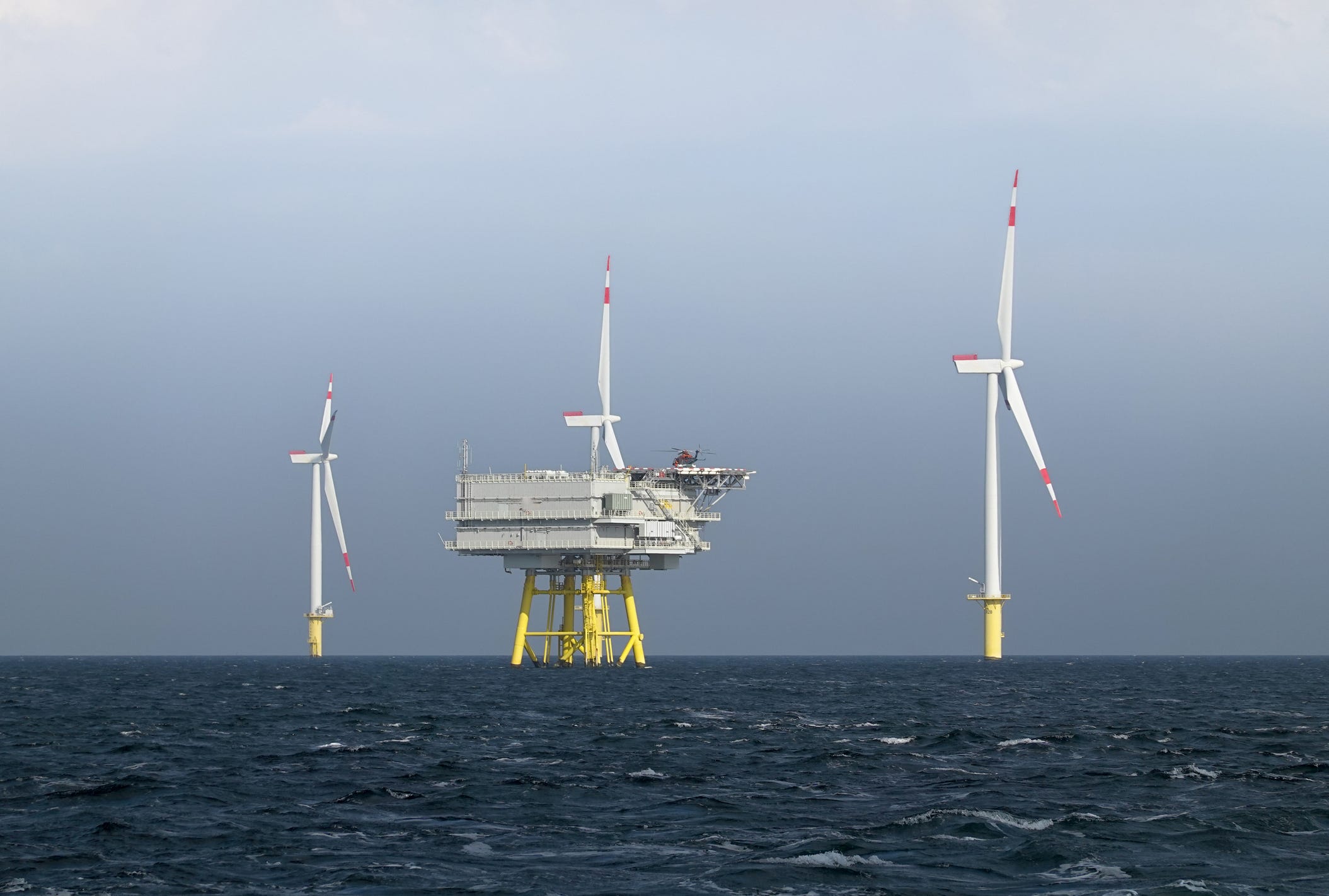
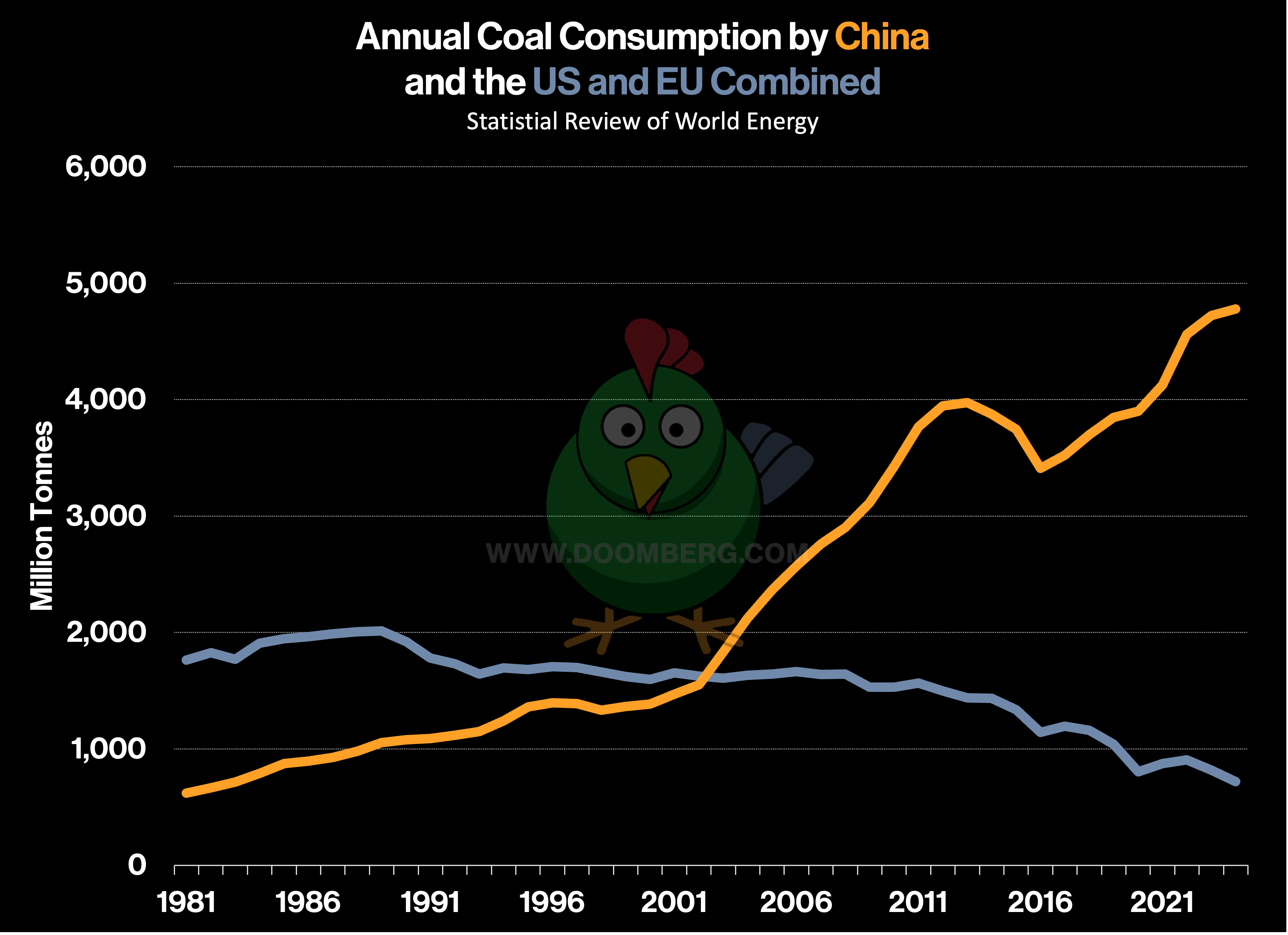
China dominates nearly all aspects of both the green energy and rare-earth supply chains. Having convinced Western nations to fully buy into both, it now holds substantial leverage in its ongoing economic war with the US. This success of this strategy is made all the more ironic when one considers that China’s green energy actions are little more than a cloak for how much coal it continues to burn. Despite consuming vastly more coal than the US and the 27 member states of the European Union (EU) combined, China still clings to its status as a “developing country” in international climate-change negotiations, freeing it to effectively do as it pleases on the energy front.
As is well chronicled by now, China’s recent threats have triggered a whole-of-government effort to close America’s rare earth metals gap, and tens of billions will be thrown toward the problem. In a recent
...This excerpt is provided for preview purposes. Full article content is available on the original publication.