They Haven't Even Started Spending Yet
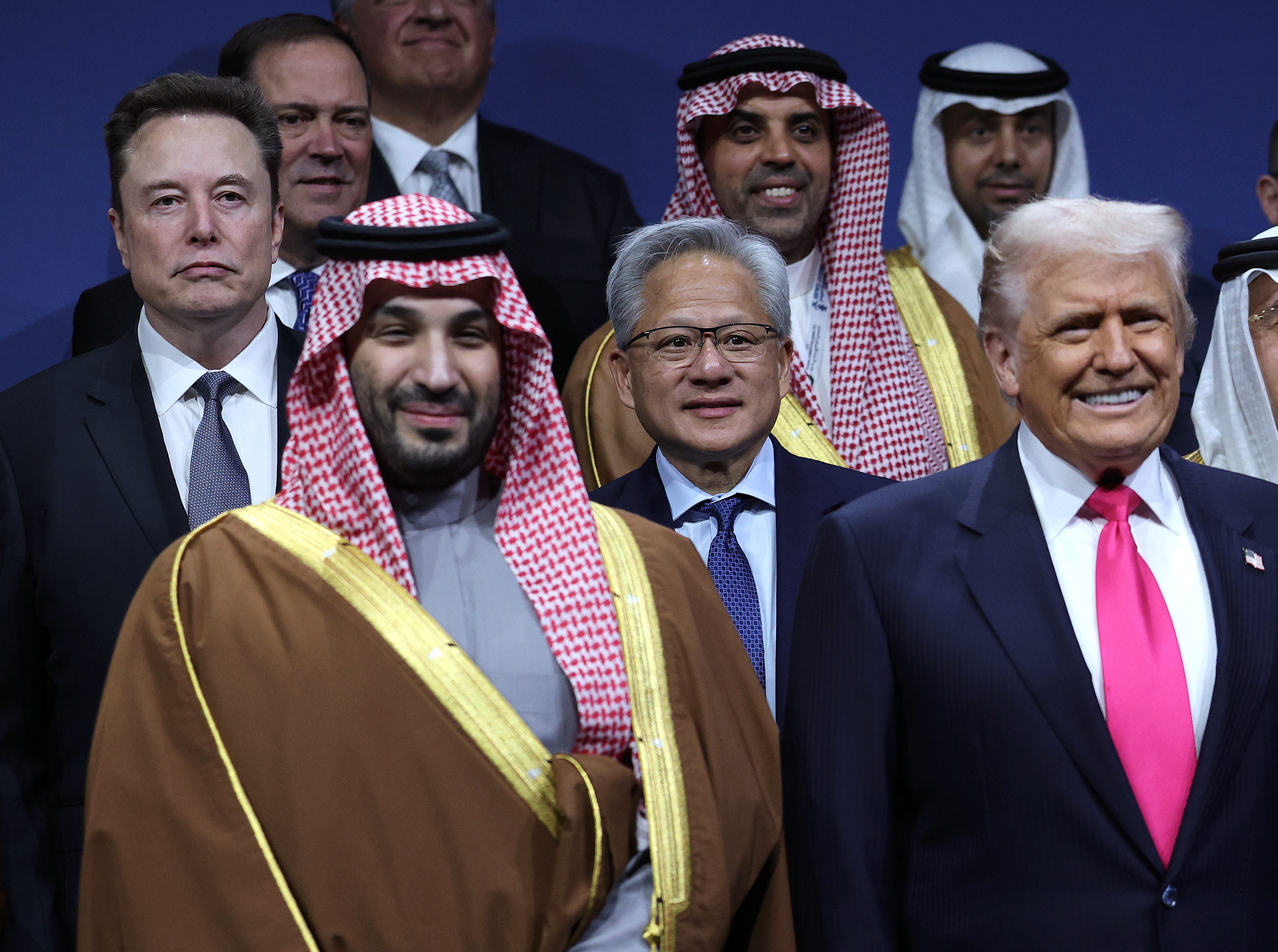
Politics is a good investment. For businesses, interest groups, and wealthy individuals, spending on politics offers one of the more attractive potential returns on investment you can find anywhere. For a one million dollar donation today, you can get the most powerful politician in the world to threaten your competitors or get the federal government to support your deadly chemical. Even in less overtly corrupt times, political spending has long been one of the few arenas where 1000x returns are plausible—a million bucks spent on lobbying firms, candidate fundraisers, super PACs, and lavish trips for Congressional staffers can easily become a billion dollars in government contracts or favorable legislation.
Since the 2010 Citizens United ruling threw the floodgates open, political spending has increased, and with it, public concern. Sure. With each passing election cycle, more direct and indirect spending floods into campaigns, inevitably transforming many of our elected officials further into marionettes that dance at the whim of their paymasters. It is odd, a decade and half into the post-Citizens United world, that mainstream political reporting has changed so little. The news is still in love with narratives about Small Town American Values and public polling. In fact, simply reading publications that track who is giving money to whom is often the most effective way of monitoring what politicians are doing, and why. A large majority of political communications are just a heap of bullshit covering up various implied obligations in return for payment. Everyone kind of understands this in the abstract, yet the power of narrative on the human mind is so strong that people would find it grotesque if this were the dominant frame of reporting. People want glossy campaign videos, damn it. Life is hard enough already.
In 2020, total “dark money” spending (from groups that do not need to disclose their donors) on the federal election cycle was a billion dollars. In 2024, it doubled to nearly $2 billion, with an unknown amount of additional spending that can’t be reliably tracked. Corporations and other interest groups can give unlimited amounts to super PACs, which can spend it more or less however they want in order to help out preferred candidates. Reporting requirements, particularly for spending in the lightly regulated online landscape, are easily evaded. It’s not that America has no restrictions on political spending today,
...This excerpt is provided for preview purposes. Full article content is available on the original publication.