RUMORS IN THE AGE OF THEIR TECHNICAL REPRODUCTION
Deep Dives
Explore related topics with these Wikipedia articles, rewritten for enjoyable reading:
-
Trial of Socrates
13 min read
The article centers on Socrates's trial as an exemplary case of rumors defeating logos. Understanding the specific historical circumstances, accusations, and political context of the 399 BCE trial would give readers crucial background for Dolar's philosophical argument about the power of anonymous slander.
-
The Work of Art in the Age of Mechanical Reproduction
12 min read
The article's title directly references Walter Benjamin's famous essay. Understanding Benjamin's argument about how mass reproduction transforms cultural phenomena would illuminate Dolar's parallel claim about how modernity transformed the spread and power of rumors.
Welcome to the desert of the real!
If you desire the comfort of neat conclusions, you are lost in this space. Here, we indulge in the unsettling, the excessive, the paradoxes that define our existence.
Below, a brilliant contribution from Mladen Dolar, the third member of the Ljubljana Lacanian troika.
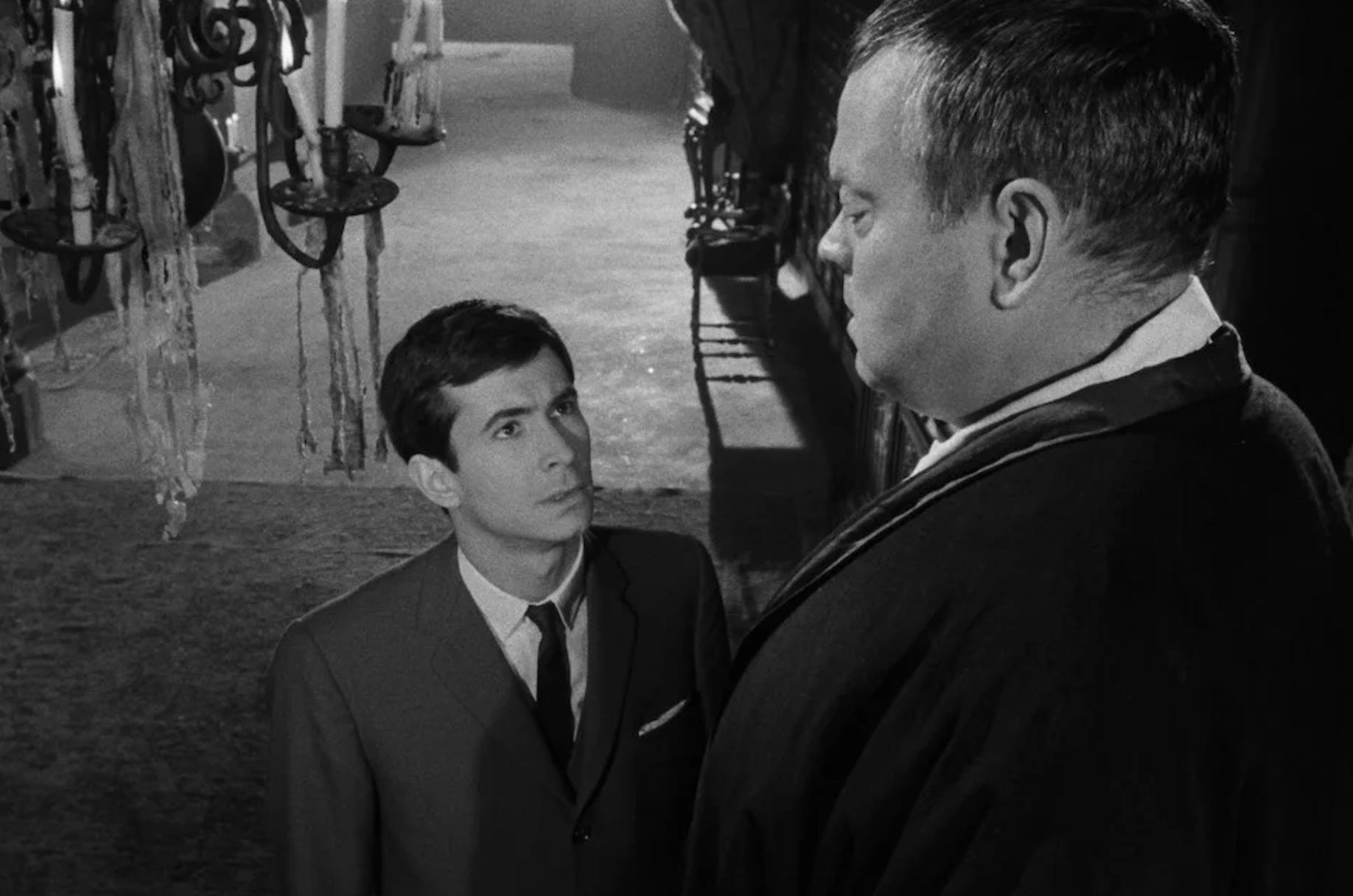
(Still from Orson Welles’ 1962 film The Trial is based on Franz Kafka’s novel of the same name)
When Socrates was standing in front of the Athenian tribunal in 399 BCE, this is what he said at the beginning of his defense:
There have been many who have accused me to you for many years now, and none of their accusations are true. These I fear much more than I fear Anytus and his friends [the present and identifiable accusers] … Those who spread the rumors, gentlemen, are my dangerous accusers … Moreover, these accusers are numerous, and have been at it a long time … What is most absurd in all this is that one cannot even know or mention their names … Those who maliciously and slanderously persuaded you … all those are most difficult to deal with: one cannot bring one of them into court or refute him; one must simply fight with shadows, as it were, in making one’s defense, and cross-examine when no one answers. … Very well then. I must surely defend myself and attempt to uproot from your minds in so short a time the slander that has resided there so long. (Apology, 18b-19a)
The situation is exemplary, it iconically stands at the very beginning of philosophy: Socrates, who fought the false opinions and beliefs and promoted knowledge as the way to truth based on logos more than anyone else in history, to the point that he became the model and the beacon of this struggle, this same Socrates was powerless against the power of rumors that have been spreading against him for many years and had no basis whatsoever, yet they resulted in the indictment, the trial, the sentence and death. He could have easily fought the visible opponents, but the ones he couldn’t contest were the invisible ones who paved the way for the visible ones. It’s like fighting shadows, but shadows won in the end. – Let’s say that logos is the early Greek name for what Lacan, 2500 years later, would call the big Other, in the
...This excerpt is provided for preview purposes. Full article content is available on the original publication.