The Streaming Wars Were Just Plain Weird
Netflix climbs to the top of the streaming-success mountain only to see a much bigger mountain in front of it still to climb: The streaming wars were always going to end like this as the cable bundles unraveled. The studios thought they were building software platforms; what they actually built were loss-making bundles with worse economics than cable. A predictable hunt for scale, financed by free money, ended with the old studios crawling back to the aggregator they had once sworn they would escape. Netflix didn’t out‑innovate Hollywood so much as outlast a series of balance sheets mispriced on the expectation of a permanent zero‑rate world. Now, however Netflix faces the true apex predator of the digital attention mediascape, in the hydra challenges of Sora and ninety other kinds of slop gathering in their lair in Mountain View, CA…
The weirdest thing about the “streaming wars” is that, both now ex post and back then ex ante, they look so utterly predictable.
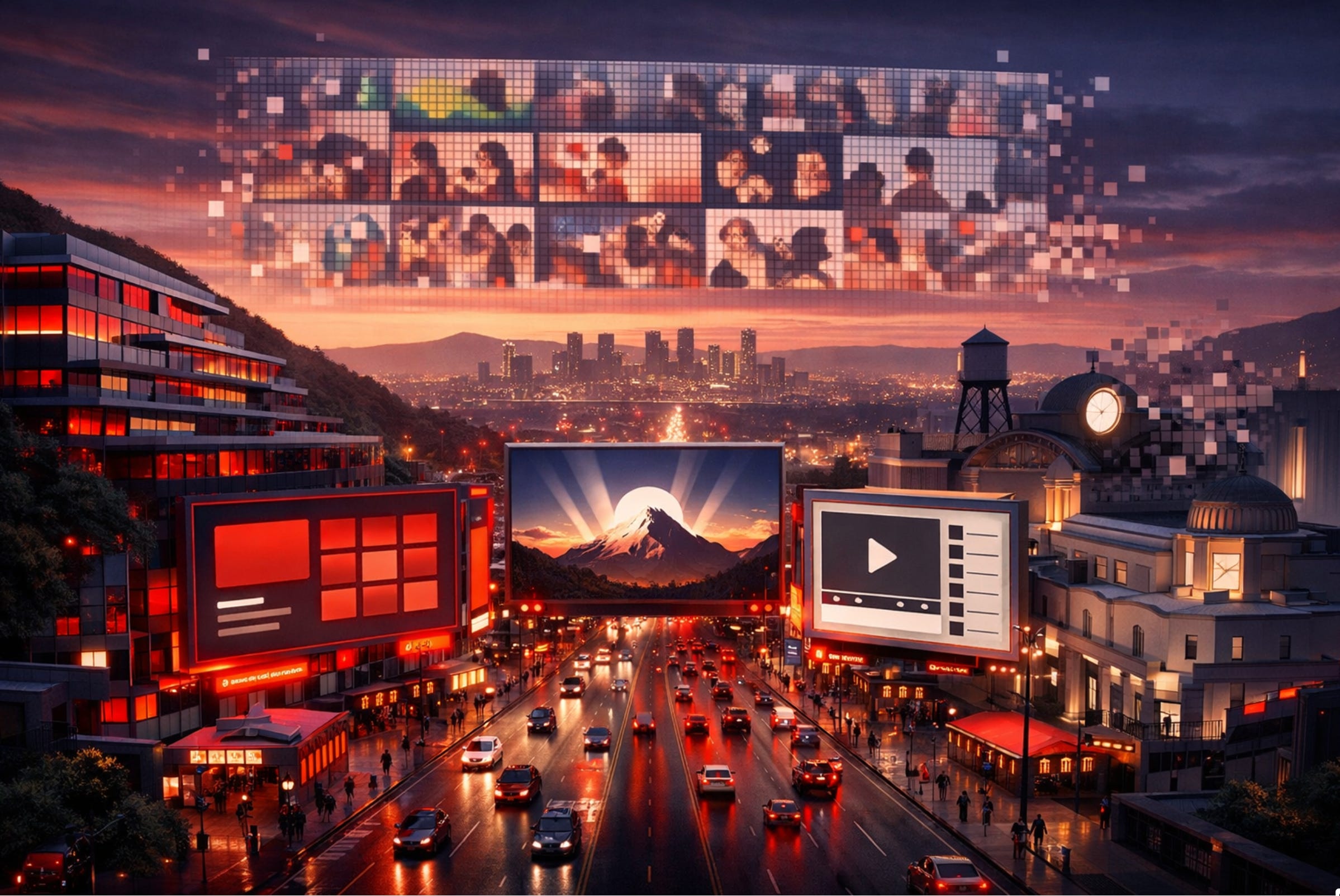
Netflix rode a first‑mover advantage and very cheap capital to global scale. The legacy studios panicked at the sight of their licensing cash cow defecting to the rival camp. Everyone decided that the future of television is a loss‑making “growth” story dressed up in venture‑capital drag; too much money chased too few paying eyeballs. Eventually Wall Street discovered the P&L, demands free cash flow, and the brave new world of “everything on demand, ad‑free, at $6.99 a month” collapses back into bundles, ads, consolidation, and a frantic attempt to get back to the low-cost shared-monopoly of the cable bundle.
Meanwhile, YouTube quietly became the largest “television network” on earth.
But beforehand, from the inside, it did not feel the way it looked from the outside. It felt like a gold rush. And in what people imagine is a gold rush, everyone convinces themselves that they are Levi Strauss.
Hollywood majors had lived very comfortably on a particular stack of rents: windowed distribution, geographic price discrimination, cable carriage fees, and, in the background, the enormous quasi‑monopoly profits of the American pay‑TV cable bundle.
Netflix’s streaming innovation—take the back catalogs that studios had been dribbling out on cable channels and DVDs, wrap them in a snappy interface, and sell the whole thing as “all you can eat” for the price of a matinee ticket—looked, to the studios, like easy money. They could license library content they had already amortized,
...This excerpt is provided for preview purposes. Full article content is available on the original publication.