The Sleeper Issue That Could Destroy the Economy
Deep Dives
Explore related topics with these Wikipedia articles, rewritten for enjoyable reading:
-
Central bank independence
12 min read
The core argument of the article hinges on why central bank independence matters. This topic explains the theoretical and empirical basis for insulating monetary policy from political pressure, which is the article's central concern.
-
Hyperinflation in Venezuela
15 min read
The article warns Trump could 'turn America into Venezuela' and lists it as an example of politicians seizing control of the money supply. This specific case study shows the extreme consequences of politicized monetary policy.
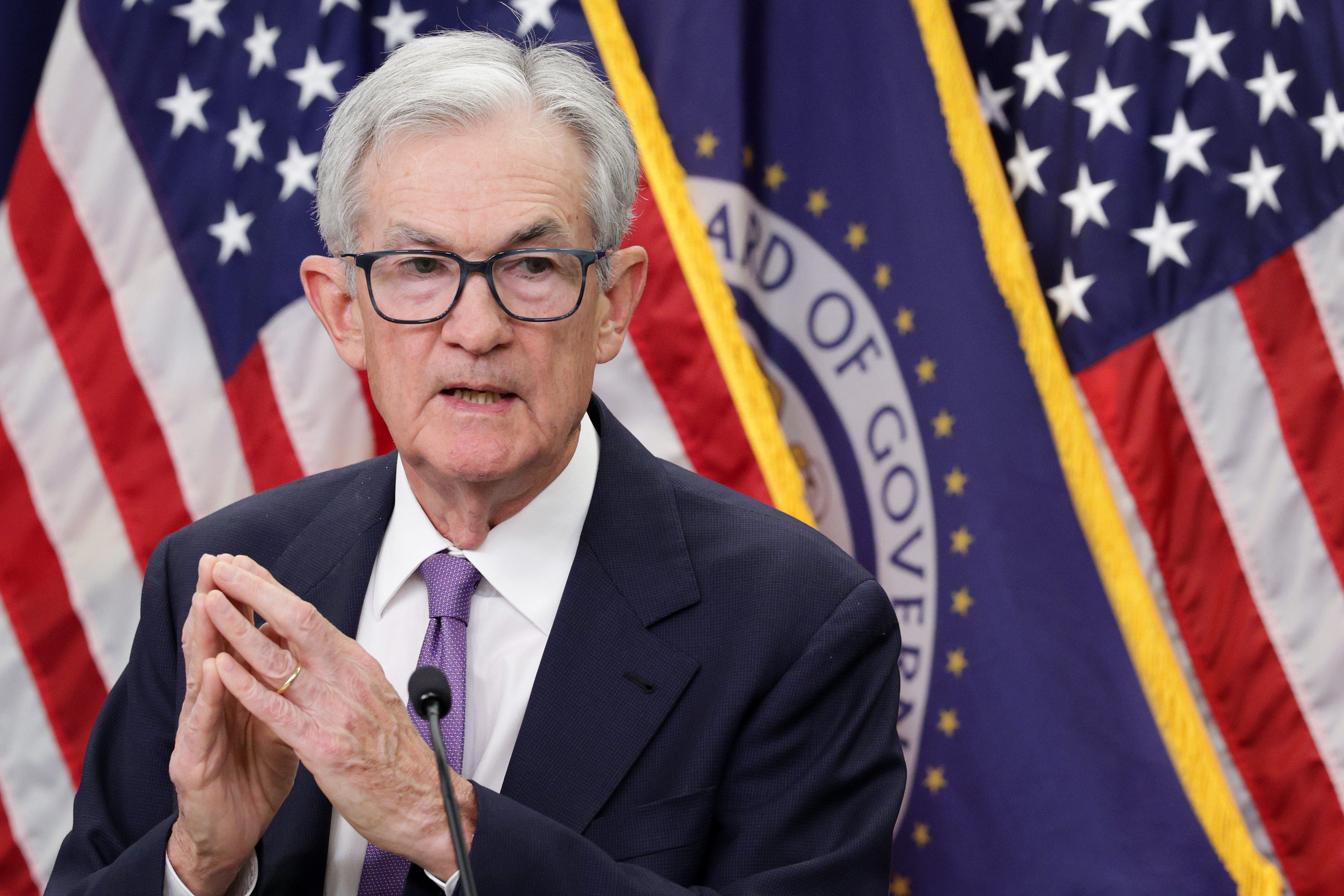
THERE ARE MANY ITEMS on President Trump’s agenda that are hurting the U.S. economy: the pointless trade wars, the socialization of the private sector, the mass deportations, and much more.
But in the long run, the most damaging policy of all might be one that’s gotten scant attention, at least from non-finance-nerds: Trump’s quest to crush the Federal Reserve. If Trump succeeds, he may doom the United States to high inflation for years, if not decades, to come.
Bullying the Fed has long been one of Trump’s favorite pastimes. Way back in 2019, he called Jerome Powell, the Fed chair whom he had appointed the year before, an “enemy.” He’s continued the broadsides during his second term, repeatedly musing about firing Powell—including earlier this year. It got press coverage at the time, due to the resulting market wobbles—and a truly awkward visit Trump made to the Fed headquarters as some sort of intimidation tactic. But the firing never came. And when the threats stopped, most of the media moved on.
They shouldn’t have.
The threats to Fed independence have continued, and got darker this week. We may now be at an inflection point, as the Trump administration tacitly threatens to purge not Powell but other officials who set interest-rate policy. If he’s successful, Trump could seize direct control of the money supply and turn America into Venezuela.
LET’S START WITH THE BASICS. Why does the central bank need to be politically independent in the first place?
The answer has to do with political incentives. If politicians control interest rates—and therefore the supply of money sloshing around the economy—they will always have an incentive to reduce them. That’s because doing so would stimulate the economy. If borrowing is cheap, that helps consumers and businesses feel richer, which encourages them to spend more. This creates a sugar rush, which in the near term can feel good. Especially if you’re the sitting president.
In the long run, though, overstimulating the economy can be dangerous. It fuels inflation. And the medicine necessary to cure that high inflation (higher interest rates) is painful. Voters hate it. So politicians are reluctant to administer it, which can lead to more and more price growth.
That’s why you want the people in charge of setting interest rates to be insulated from near-term political pressures. If
...This excerpt is provided for preview purposes. Full article content is available on the original publication.