Weekly Dose of Optimism #160
Hi friends 👋 ,
Happy Friday and welcome back to our 160th Weekly Dose of Optimism. Packy here, filling in for Dan who is trapped under a mountain of creatine gummy orders. Your humble Dose writer vaguely told Bloomberg this week that the company is going do somewhere between $40-80 million in revenue this year, so if you notice a lot more fit, healthy people walking around than usual, you know why.
Fortunately, he left me a good week (it’s always a good week for the optimists). We have epigenetic atlases, brain pills, Stripe blockchains, fast space internet, Polymarket in the USA, and a great profile on the greatest player in the NFL.
Let’s get to it.
Today’s Weekly Dose is brought to you by… WorkOS

Take Control of User Roles and Permissions with WorkOS RBAC
Managing user access at scale is complex and prone to errors. WorkOS RBAC (Role-Based Access Control, for those wondering) delivers structured, enterprise ready access control without the overhead of building it yourself.
Assign and manage permissions through roles instead of individual users
Sync role assignments from IdP groups for consistent access
Create custom roles for complex organizational needs
Accelerate development with APIs and role-aware sessions
Manage everything with a ready-to-use widget and centralized dashboard
Launch secure, auditable role management in minutes with WorkOS RBAC.
(1) How ageing changes our genes — huge epigenetic atlas gives clearest picture yet
Chris Simms for Nature (discovered via Vittorio)
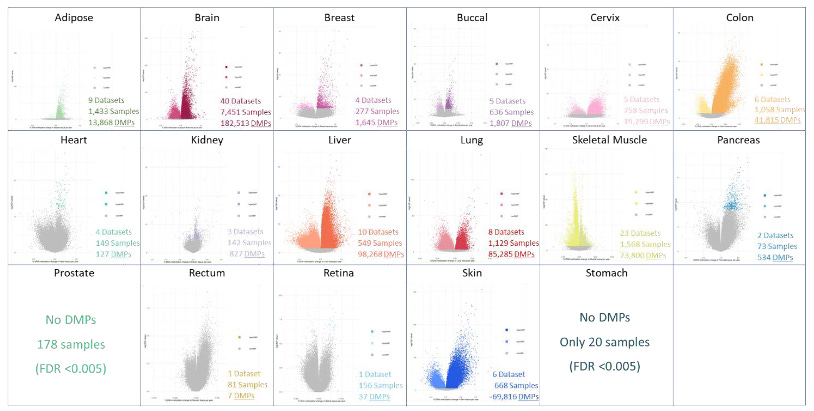
Researchers at Monash University in Melbourne, Australia published a preprint of a meta-analysis mapping how DNA methylation shifts with age across 17 human tissues (15k+ samples). The work surfaces shared and tissue-specific “aging signatures” and points to drug and reprogramming targets.
The epigenome sits above the genes and turn them on and off without altering the underlying DNA itself, often via chemical tags (methylation). Our genes stay the same with age, but their expression settings, regulated by the epigenome, shift. Mapping those shifts, tissue by tissue, could point to ways to slow or even reverse aspects of aging.
My eyes perked up when I saw this study after listening to Dwarkesh Patel’s conversation with aging company NewLimit CEO Jacob Kimmel a couple of weeks ago. In the conversation, which is a must-listen, Kimmel talks about the company’s bet that transcription factors can remodel the epigenome to make old cells function like new ones.
Even with a
...This excerpt is provided for preview purposes. Full article content is available on the original publication.