Writing Lessons From Malcolm Gladwell’s Masterclass
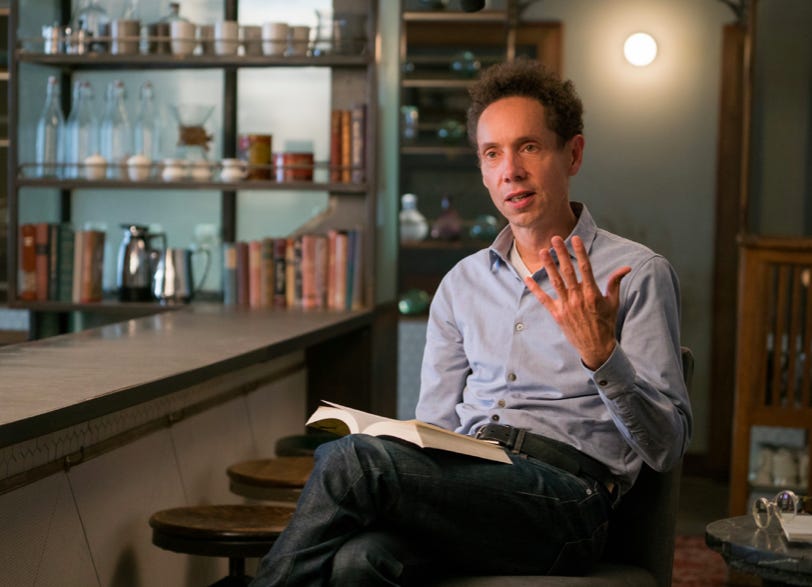
If you haven’t heard of Malcolm Gladwell or read anything he has written, I’ll borrow a quote from The News & Observer to help you relate with him, his work and the impact he leaves behind with his writing.
If there’s such a thing as a storytelling gene, Gladwell has some super-evolved DNA mutation.He might be the best storyteller on the planet.
Malcolm Gladwell is the author of five nonfiction books and was recognised by Time Magazine in 2005 as one of the hundred most influential people in the world. All his books have been New York Times bestsellers, and he continues to be a writer for the New York Times, where he has worked since 1996.
In his Masterclass, Gladwell covers almost everything there is for writers to know and learn. From the importance of having a catchy title for your story to how he identifies a story and develops it. The beauty of his class is that he gives details behind his thought process on every point that he talks about and illustrates them with perfect examples which adds the same value to you if you are beginning to write or you are someone who has been writing for a quite some time or simply an avid reader of his work.
There is something in it for everybody.
Lessons from his Masterclass that can have immense in understanding the craft of writing from a reader and writer’s point of view.
A Title is the ultimate attention grabber
“You have to spend as much time thinking about titles as you do about content.”
Malcolm talks about why he spends a great deal of time thinking about the title of his work. He says that the titles are the ads for your work. It is a split second that you have at your disposal to catch the reader’s attention, so make it count. Let’s take the example of Ralph Nader’s Unsafe at Any Speed.
Malcolm highlights how the contradiction in this title itself grabs your attention. Having two contradictory words in a combination will make some part of you react. Thus, he concludes that one must aim for words with emotional weights in their titles to draw the reader towards you.
The Research
“Go down roads that don’t lead anywhere immediately.”
The first step towards finding a great story is to follow what makes you curious. He recommends that
...This excerpt is provided for preview purposes. Full article content is available on the original publication.