Christmas and Hope and Home
Deep Dives
Explore related topics with these Wikipedia articles, rewritten for enjoyable reading:
-
Jiří Trnka
15 min read
The article centers on Trnka's pioneering work in puppet animation, but readers may not know the full scope of his career - his influence on global animation, his later masterworks like The Hand, and his resistance to communist propaganda through art
-
Czech animation
12 min read
The article references Prague's animation scene in 1946 but doesn't explain why Czechoslovakia became such a powerhouse of animation - the unique cultural conditions, state support, and artistic traditions that made it a global center for the medium
-
Stop motion
12 min read
While the article describes Trnka discovering 'a different kind of stop motion,' readers would benefit from understanding the broader technical and artistic evolution of the medium - from Méliès through Willis O'Brien to understand what made Trnka's approach revolutionary
Welcome! Hope you’re doing well. In this Thursday edition of the Animation Obsessive newsletter, we’re looking at a key moment in stop motion.
The year was 1946, and the Nazi regime was gone. Europe was rebuilding; artists were finding a path forward, after years of destruction. And a few of those artists were in Prague.
One of them was Jiří Trnka. He was a veteran of puppet theater and among the day’s “leading Czech illustrators of children’s books.” His work was warm, magical and closely tied to folk art. Right after the Nazis were driven out, a Prague animation team approached Trnka (an outsider to film) to be an artistic director. “I started doing it with enthusiasm,” Trnka said.1
He looked imposing, and often didn’t say much. “I remember well the meeting when he took the position,” noted one of the studio’s animators. “He introduced himself and said concisely, ‘Well, now let’s get to work.’ ”2
Quickly, Trnka and the team made hand-drawn cartoons like The Gift and The Animals and the Brigands. There were rave reviews and festival awards, and screenings as far away as America. But Trnka wasn’t fully satisfied. His dream was to work with animated puppets and their potentials: “space and light,” and stillness, and poeticism. He didn’t know how to achieve these in 2D cartoons.3
So, toward the end of 1946, Trnka departed for a tiny stop-motion studio in Prague.4 A few artists followed him. Over three days, he penned a screenplay for a short film called Bethlehem, intended for puppet actors. “Bethlehem, that was just meant to be a test. I thought we should try out a puppet film,” Trnka said.
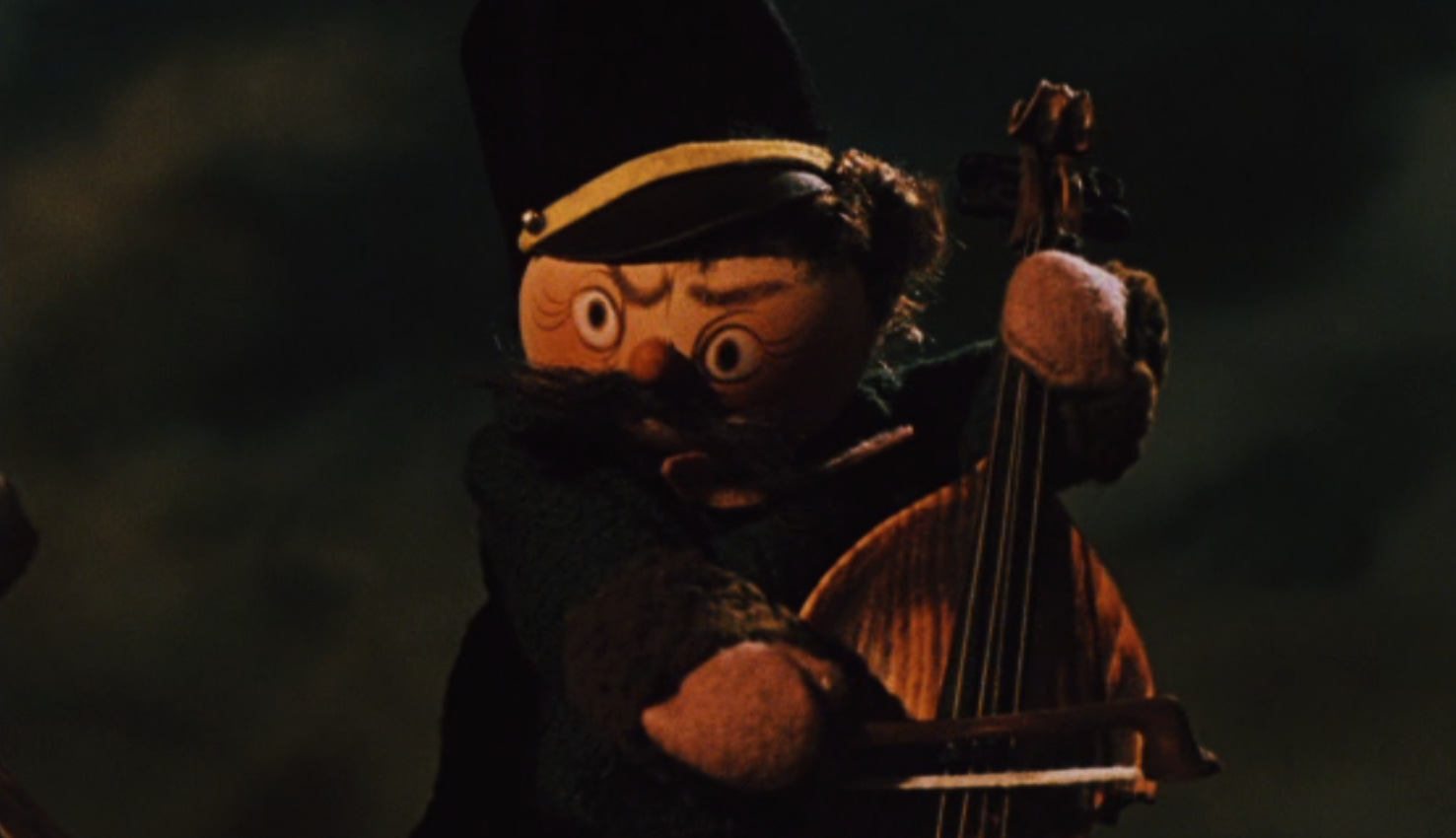
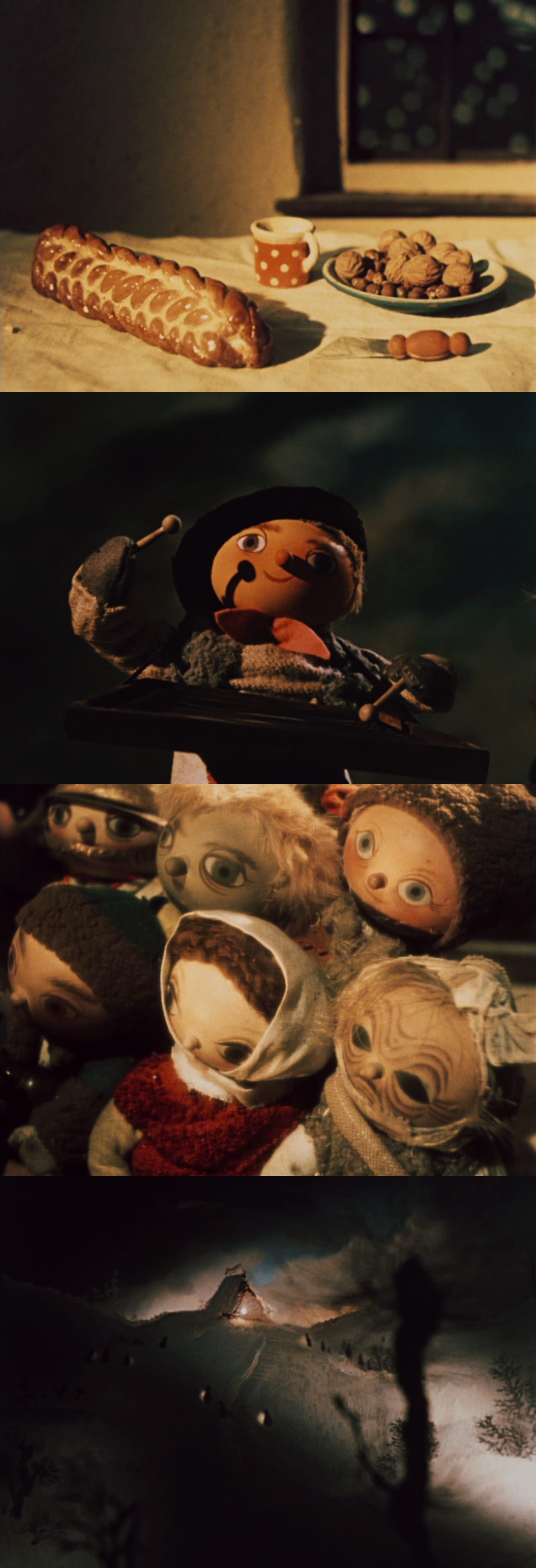
The team created Bethlehem in a rush for the 1946 holidays — it has a Christmas theme. Still, although the film draws on traditional Czech carols, this little experiment was something very new. Trnka and his collaborators, working at a wild speed over a couple of months, discovered a different kind of stop motion.

This excerpt is provided for preview purposes. Full article content is available on the original publication.