A Most Important Mustard
Deep Dives
Explore related topics with these Wikipedia articles, rewritten for enjoyable reading:
-
Brassicaceae
11 min read
Linked in the article (16 min read)
-
Chris R. Somerville
13 min read
Linked in the article (5 min read)
-
Carl Linnaeus
13 min read
Linked in the article (43 min read)
This essay will appear in our forthcoming book, “Making the Modern Laboratory,” which tells the story of how the various tools, materials, and methods of the molecular biology lab arrived there and how they might evolve in the future.
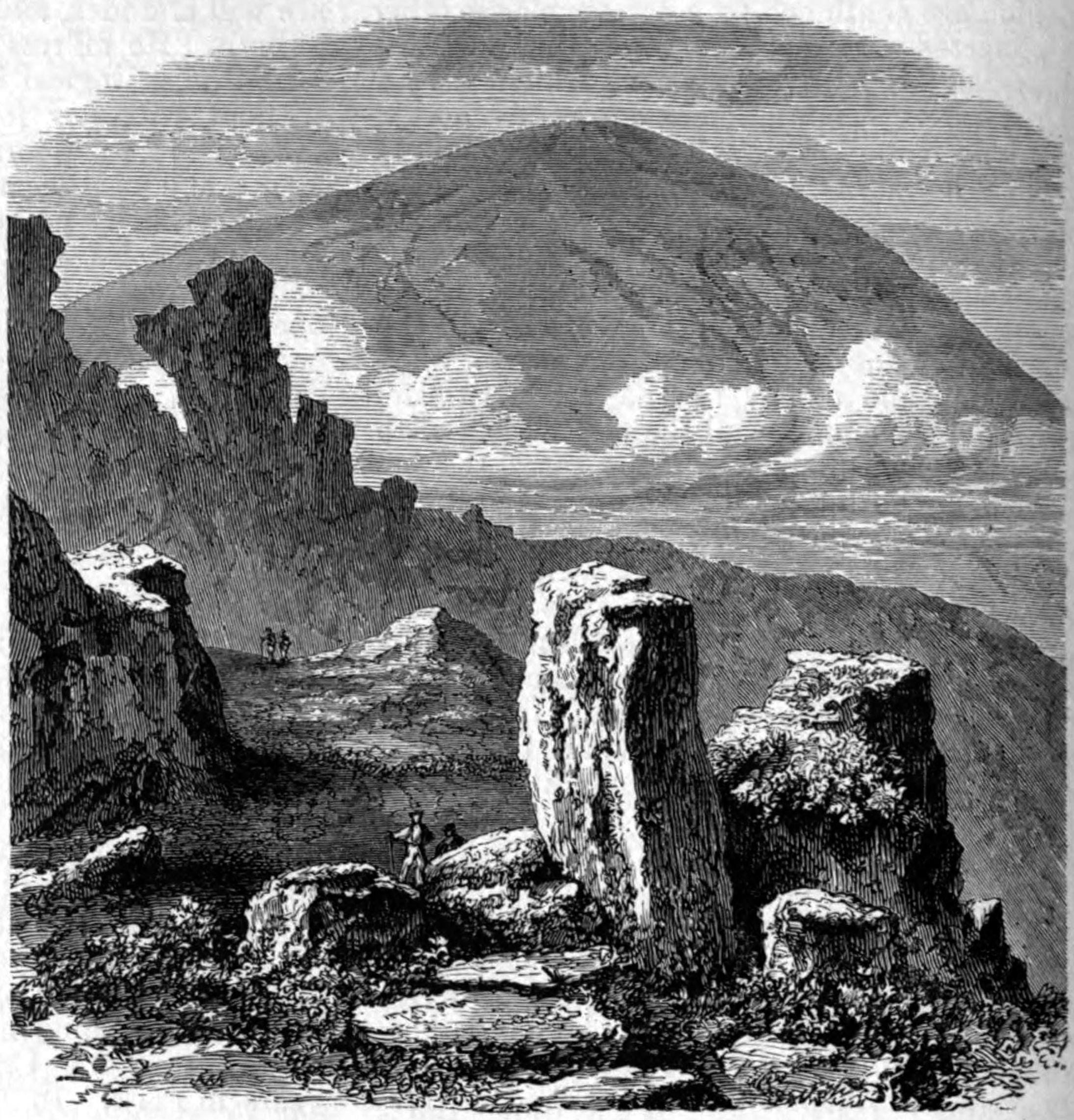
The Harz Mountains, whose low ridges sprawl across northern Germany, have been said to be teeming with witches. The poet Goethe wrote in Faust: “Da drängen sich Hexen zu tausend zuhauf” (“Witches throng together by the thousand”). But while such a coven has never actually been found in the Harz, something even more storied has — Arabidopsis thaliana, the premier model for plant biology.
Arabidopsis thaliana was first described by Johannes Thal, a German doctor and botanist born in 1542, who stumbled across it while on an alpine walk.1 From a young age, Thal had been transfixed by the nature of the Harz, collecting and cataloging grasses, herbs, and various resinous plants that might prove medically useful.2 No species was too unremarkable for Thal, fortunate given that Arabidopsis thaliana resembles one of those spindly flowers that sprout between cracks on sidewalks or in the window wells of abandoned cars.
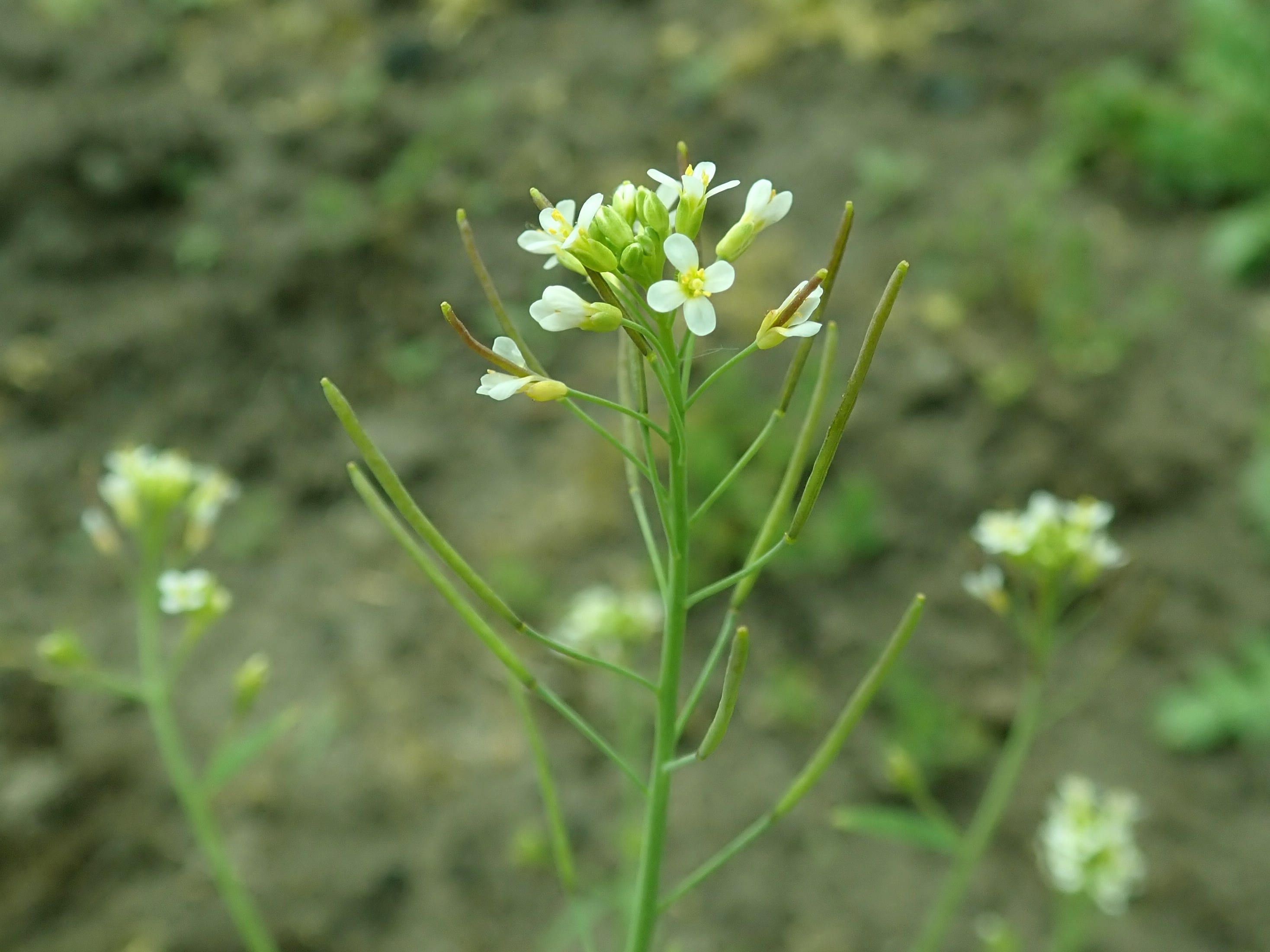

While it may look like a weed, Arabidopsis belongs to the Brassicaceae, or mustard family. Native throughout Africa and Eurasia, it typically grows in rocky, sandy, and chalky soils. Sometimes called “thale cress” or “mouse-ear” cress, Arabidopsis does indeed have flowers whose pale petals resemble the soft, rounded tip of a mouse’s ear. Atop a 20-30 centimeter leaf-studded shoot grow several pale flowers, each with four petals arranged in a whorl.
Although Thal was the first person to pay any mind to this unprepossessing plant, another German botanist, Friedrich Laibach, took the first steps to bring Arabidopsis from the herbarium into the modern research laboratory. As part of his work as a Ph.D. candidate in Bonn in the early 1900s, Laibach spent his time analyzing the number of chromosomes in the various plants that he had collected around the city and his hometown of Limburg. He did this by staining the plant tissue with a special dye that binds to chromatin, the mixture of DNA and proteins that form chromosomes. By examining cells during meiosis — when chromosomes are most condensed and distinct — he
...This excerpt is provided for preview purposes. Full article content is available on the original publication.