Fall back, quiet respiratory season, SNAP expiration and good news
Deep Dives
Explore related topics with these Wikipedia articles, rewritten for enjoyable reading:
-
Circadian rhythm
14 min read
The article discusses how daylight saving time disrupts circadian rhythms, leading to health impacts like increased heart attacks and car accidents. Understanding the biological mechanisms behind circadian rhythms would give readers deeper insight into why time changes affect health so significantly.
-
Supplemental Nutrition Assistance Program
15 min read
The article reports on the unprecedented failure of SNAP benefits to be distributed on schedule, affecting 42 million recipients. Understanding SNAP's history, structure, and role in American food security would provide essential context for this significant policy failure.
-
Influenza A virus subtype H5N1
15 min read
The article discusses rising bird flu detections and concerns about potential human-to-human transmission. A deep dive into H5N1's virology, pandemic potential, and history of outbreaks would help readers understand why epidemiologists monitor this virus so closely.
It’s November! Time for us Scorpios to shine.
This week, we’re talking about falling back (literally and figuratively). From SNAP beneficiaries missing payments on November 1, to falling back on our broken health care system as open enrollment begins, to the time change messing with our health, a lot is shifting. We’re also flying a bit blind when it comes to respiratory disease data, but I’ve pieced together the best snapshot I can from different sources. There’s also always some good news to share! And, finally, we need your help: take a quick survey to help us learn how you’re using AI tools for health information.
Here we go!
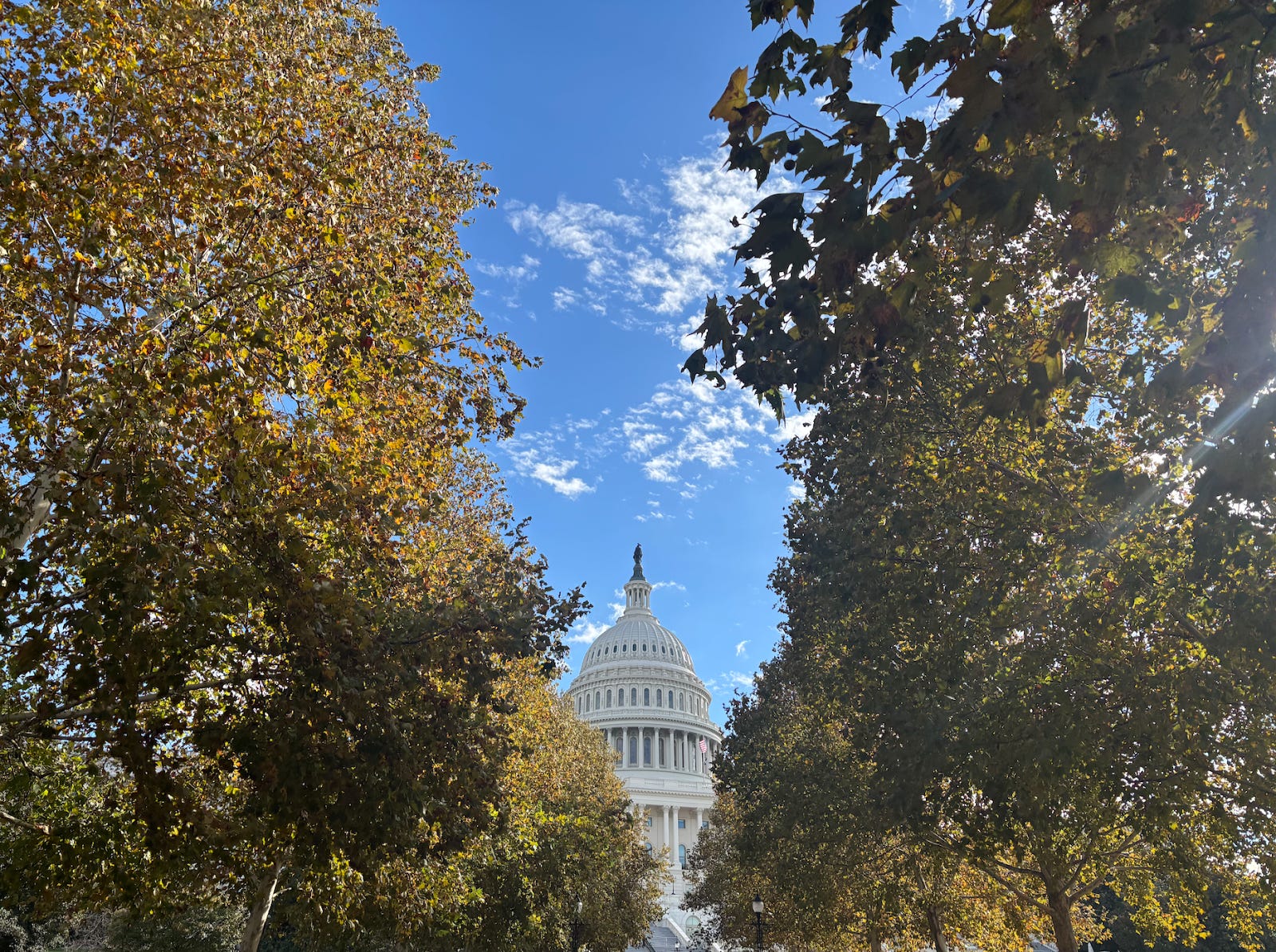
From a health perspective, we’d be better off without daylight saving
Where are all my tired moms at? “Spring forward, fall back”—and children are waking up an hour earlier, of course. Over the weekend, clocks changed. This practice—a polarizing one—has been observed for over a century in an attempt to reduce energy use. In the U.S., most states follow this rule, except Arizona, Hawaii, and some territories. (Hello, Puerto Rico!)
This isn’t just annoying; there are health impacts:
In the spring, when we lose an hour of sleep and wake up in the dark, our circadian rhythms are disrupted, making it harder to get up and function. Fatal car accidents rise by about 6%, heart attacks spike by 24%, and rates of abnormal heart rhythms and inflammation increase.
In the fall, shorter days and reduced light exposure (sunsets are earlier) are linked to higher rates of depressive episodes.
Research shows that keeping one time year-round—either standard or daylight saving—would be healthier. Modeling studies that account for light, circadian effects, and health outcomes suggest that adopting a permanent system could prevent hundreds of thousands of strokes and lower obesity rates. While more evidence is needed, these findings give policymakers a clearer picture of what’s at stake.
Last week, a bill aiming to make daylight saving time permanent (the Sunshine Protection Act), authored by Florida U.S. Sen. Rick Scott, and backed by President Donald Trump, was blocked by Arkansas Sen. Tom Cotton. That means that, unfortunately, without Congressional approval, the 19 states that
...This excerpt is provided for preview purposes. Full article content is available on the original publication.