New Podcast Release: Anna Machin
Deep Dives
Explore related topics with these Wikipedia articles, rewritten for enjoyable reading:
-
Oxytocin
14 min read
The article discusses how oxytocin reduces activity in the amygdala to dampen risk detection during attraction. Understanding the full neurochemistry of this 'love hormone' and its broader roles in bonding, trust, and social behavior would give readers deeper insight into the biological mechanisms Anna Machin describes.
-
Pair bond
9 min read
The article extensively discusses social vs. sexual monogamy and pair bonding across species. This Wikipedia article covers the evolutionary biology of pair bonding, including the neurochemical and behavioral aspects that complement Anna Machin's discussion of human mating patterns.
-
Theory of mind
15 min read
Anna Machin discusses how the 'mentalizing area' of the brain—our ability to guess others' intentions and detect deception—deactivates during early love. Theory of mind is the scientific concept underlying this, and understanding it explains why people in new relationships often cannot see obvious red flags that others notice.
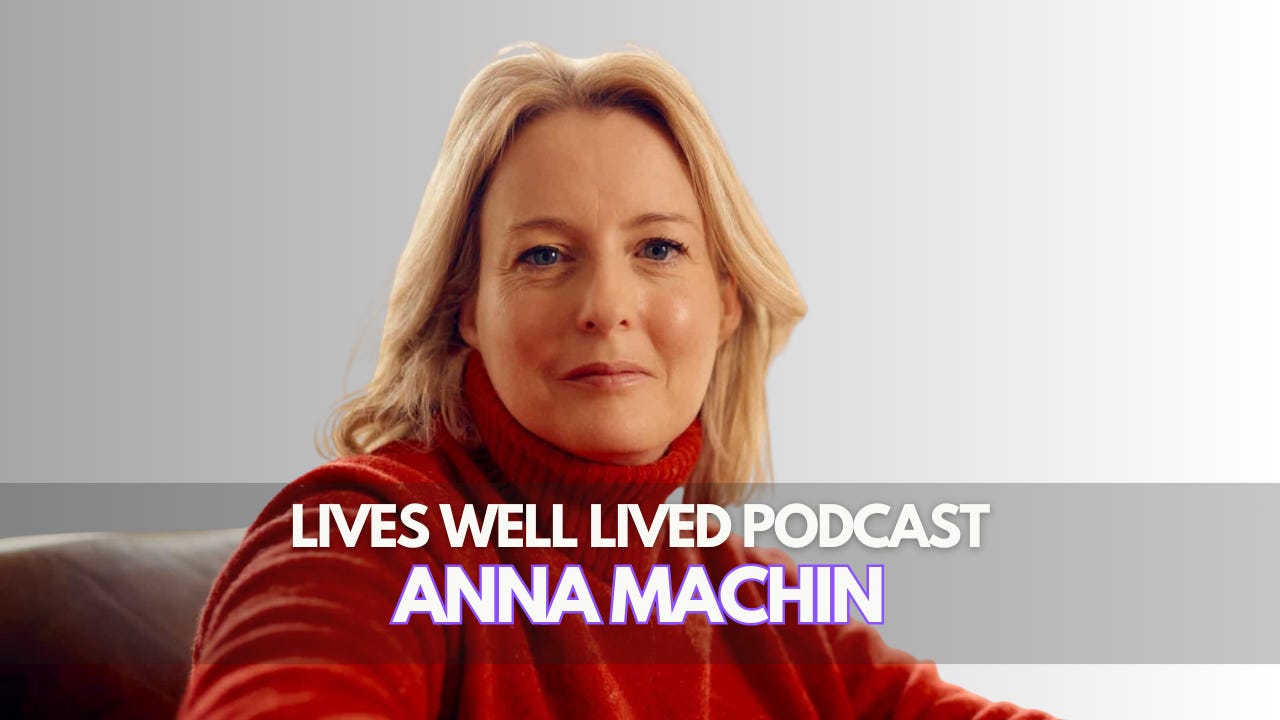
In the latest episode of Lives Well Lived, the podcast I co-host with Kasia de Lazari-Radek, we speak with evolutionary anthropologist Anna Machin, who studies the science of love, attraction, and human relationships. In our conversation, she explains why the spark of attraction happens in the first seconds of meeting someone, how oxytocin and dopamine work together to quieten fear and motivate us to take the risk of love, and we talk about whether it is true that “love is blind.”
We discuss the difference between attraction, lust, and love, why romantic love is a Western cultural construct, and whether humans are truly monogamous. Anna also talks about jealousy as a signal of reproductive threat, whether animals experience love, and the unique role of fathers in human evolution.
Above all, Anna stresses that relationships sit at the centre of our existence. As she puts it, having a healthy social network is the number one factor in our health, longevity, and happiness.
Below are some highlights from our conversation, edited for clarity. You can listen to the full episode on Apple Podcasts, Spotify, or your preferred platform.
How love begins in the brain
Kasia de Lazari Radek: We walk into a pub, a conference hall, a classroom, or a gym. Across the room, someone catches our attention—interesting, attractive, engaging. Our eyes meet, a smile follows, and soon we are in conversation. The exchange flows effortlessly, laughter comes easily, and by the time we part ways, the whole evening feels transformed. We return home, close the door, and with a deep sigh, we say, “It must be love”. How is that possible? How can such a powerful feeling arise so suddenly, almost out of nowhere?
Anna Machin: How can it happen so quickly? First, I would dispute the word love at that point. We wouldn't describe that as love, but we would likely describe that as attraction and lust, which are the first steps towards romantic love.
And the reason why it can happen so suddenly is because it's a very ancient mechanism that we share with all the other mammals, which is a mechanism based on sensory input. You mentioned that your eyes meet across the crowded room, and when we first lock eyes with someone, we take in a lot of sensory information.
So, what do they look like? How do they move? What do they sound like? What's
...This excerpt is provided for preview purposes. Full article content is available on the original publication.