Why Should Teenagers Learn To Play Poker
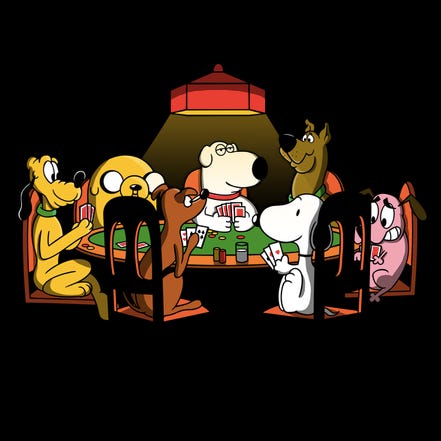
But for its costliness and dangers, no better education for life among men could be devised than the gambling table - especially the Poker table - Clemens France
The concept of the game of Poker is one of the few concepts which mimics the game of life. They are both played on the field of incomplete information and you can never always win or lose. At no point in your life can you claim to know everything about the environment you are in and have the desired outcome. Poker is the same. It is the perfect blend of the known and the unknown. You know the cards that you draw and the ones on the table at every turn. What you don’t know is what the other person has, and you have to act based on your judgment, skill, and luck.
I have mostly disliked conversations that give you the feeling that you can accomplish anything you set your mind on and that everything is possible. For what it’s worth, you cannot accomplish ‘everything’. I believe that you can accomplish things that fall within your strengths, level of perseverance, and unique skill set. As great as Newton and Einstein were in the field of Science, they would not have been as good or even close to being as good if they opted to be professional boxers. They just did not have the inclination, skills, or strength to excel in that field. The problem with believing that you can do everything is that quite often, you land up doing nothing.
Everytime teenagers or young adults are told this lie, what happens is that at some level you are passively advocating that certainty is absolute if you put your mind to something.
Most young people feel lost or uncertain because they do things that they think will lead to a certain and sure outcome, but those outcomes rarely come as desired. That’s when they feel dejected because they were certain that they ticked all the boxes and that one can get whatever you want.
The truth is, life always gets in the way.
The reason I like Poker is that at the very basic level it teaches you that any game you play, whether at the table or in life, is not just about maximizing your strengths in your belief to do something. It is about becoming comfortable with
...This excerpt is provided for preview purposes. Full article content is available on the original publication.