The Sultan of Bengal's Giraffe
Deep Dives
Explore related topics with these Wikipedia articles, rewritten for enjoyable reading:
-
Yongle Emperor
16 min read
The emperor who received the giraffe tribute is central to the article's main story. Understanding his reign, his massive naval expeditions under Zheng He, and his interest in foreign tribute provides essential context for why this diplomatic gift was so significant.
-
Ibn Battuta
19 min read
The article cites Ibn Battuta's description of Sonargaon. His extraordinary 14th-century travels across the Islamic world and beyond provide fascinating context for medieval global trade networks and how Bengal fit into them.
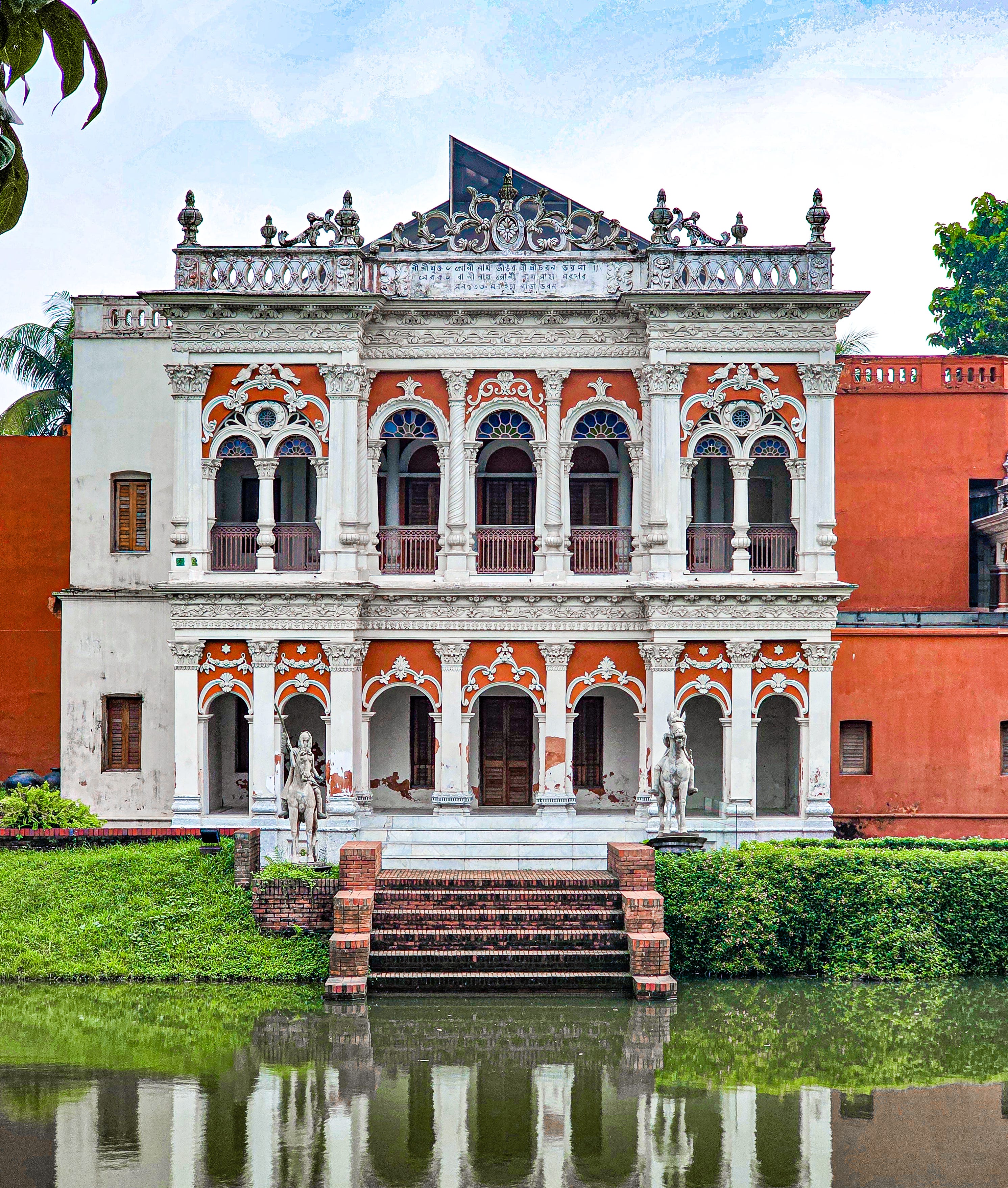
This week Travels of Samwise is collaborating with Zeeshan Khan, an amazing travel writer who made Sam fall in love with the heritage of Bangladesh. This post is our attempt to launch his own substack on Bengali history. Do give him a follow!
If you’re enjoying this labor of love, please do consider becoming a paid subscriber of either of our posts, and do check out the other Newsletter if youre only subscribed to one! Dont forget to check out Sam’s new book Shattered Lands, which is available for order HERE.
In the year 1414, the Ming court stood stunned as a Bengali delegation presented tribute to the Yongle Emperor of China.
Standing before the Yongle Emperor was a towering, spotted beast with an enormously long neck. “The ministers and the people all gathered to gaze at it” wrote the court painter Shen Du, “and their joy knows no end.”
Shen Du, subsequently captured the moment in a famous silk scroll, identifying the animal as a qilin, a mythical beast whose appearance heralded a golden age.
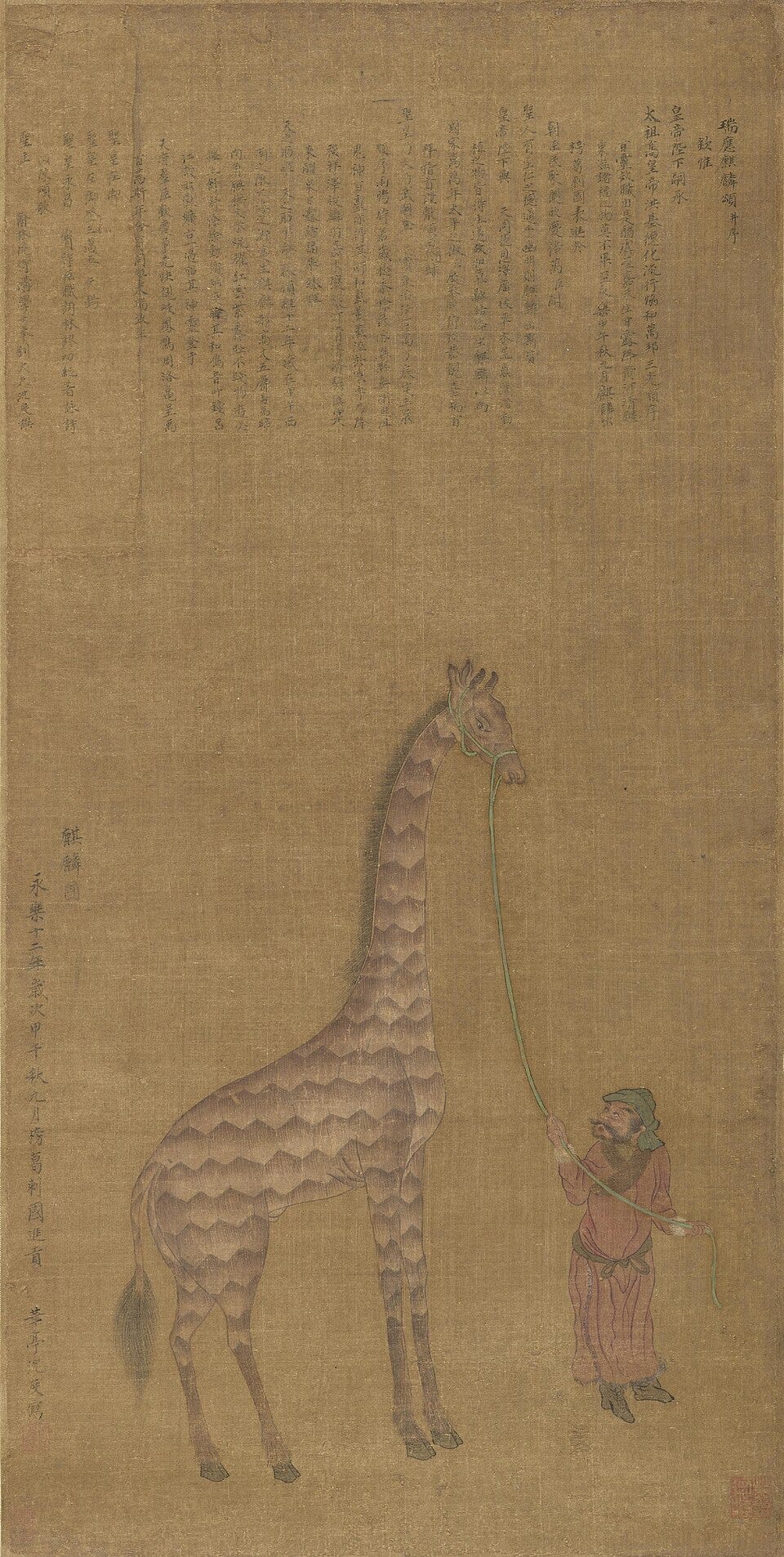
To the modern eye, the painting is clearly a giraffe. But what is extraordinary is that the animal had not been sent from Africa, but as a diplomatic gift from the Sultan of Sonargaon, a city in the heart of the Bengal Delta. Bengal was such a globalised region at the time, that giraffes from East Africa were available to the Sultan there.
Today, Sonargaon is a quiet suburb of Dhaka, scattered with moss-covered ruins. It was capital of the Bengal Sultanate when Bengali first received recognition as an official language, and the sultanate’s subsequent capital of Gaur was briefly the fifth-most populous city in the world. Sonargaon today is a city that’s little known outside of Bangladesh. Yet it was once one of the great trading emporiums of the world.
Out of all the places that have served as capitals of independent states on the Bengal Delta, Sonargaon also holds the distinction of being the only one that is virtually in the same place as the current capital of the independent state of Bangladesh. It is also where the dying ember of the last independent state, the Sultanate of Bangala, was put out in the late 1500s by an expanding Mughal Empire, when Akbar’s famous general Man
...This excerpt is provided for preview purposes. Full article content is available on the original publication.