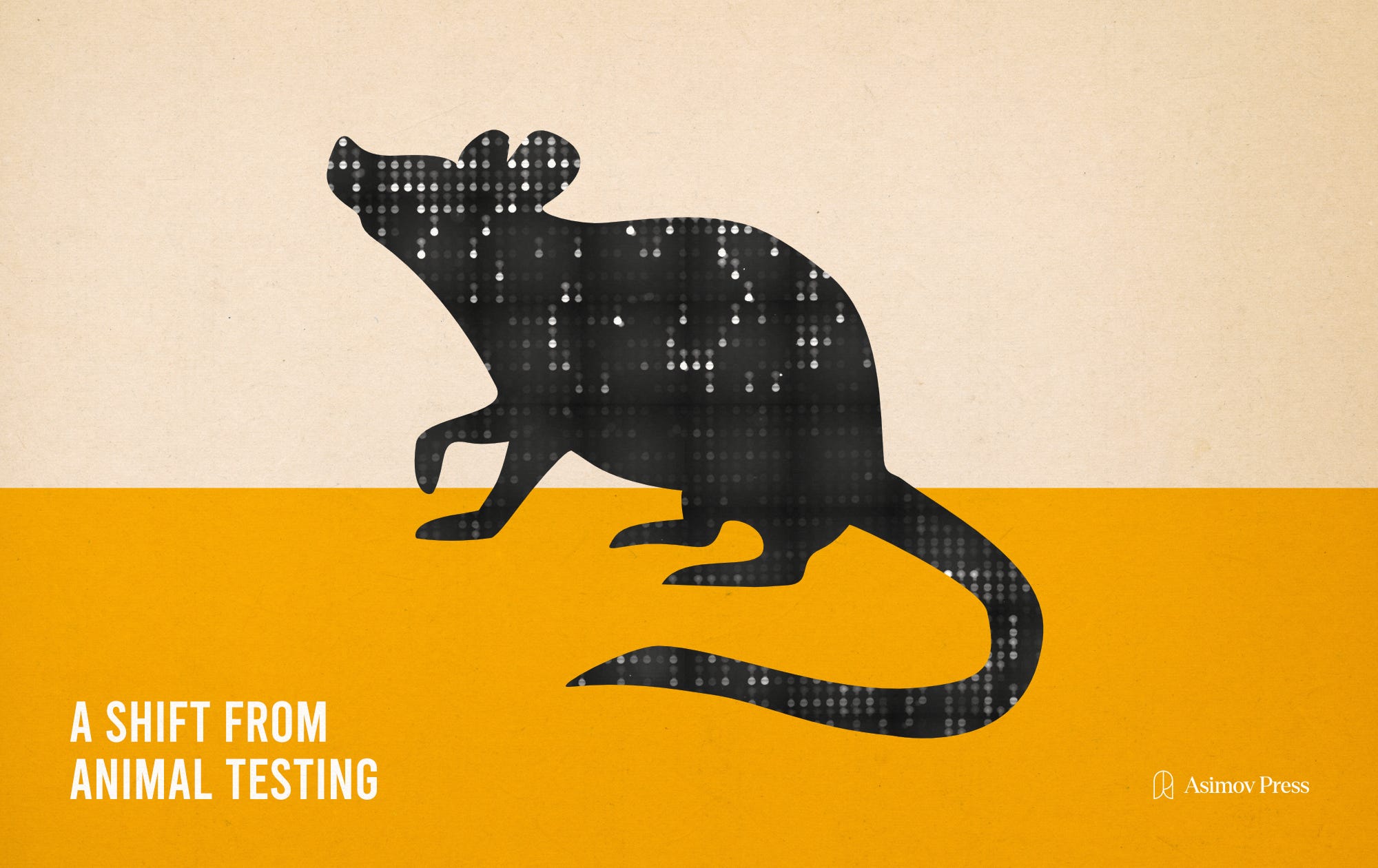
A Shift from Animal Testing
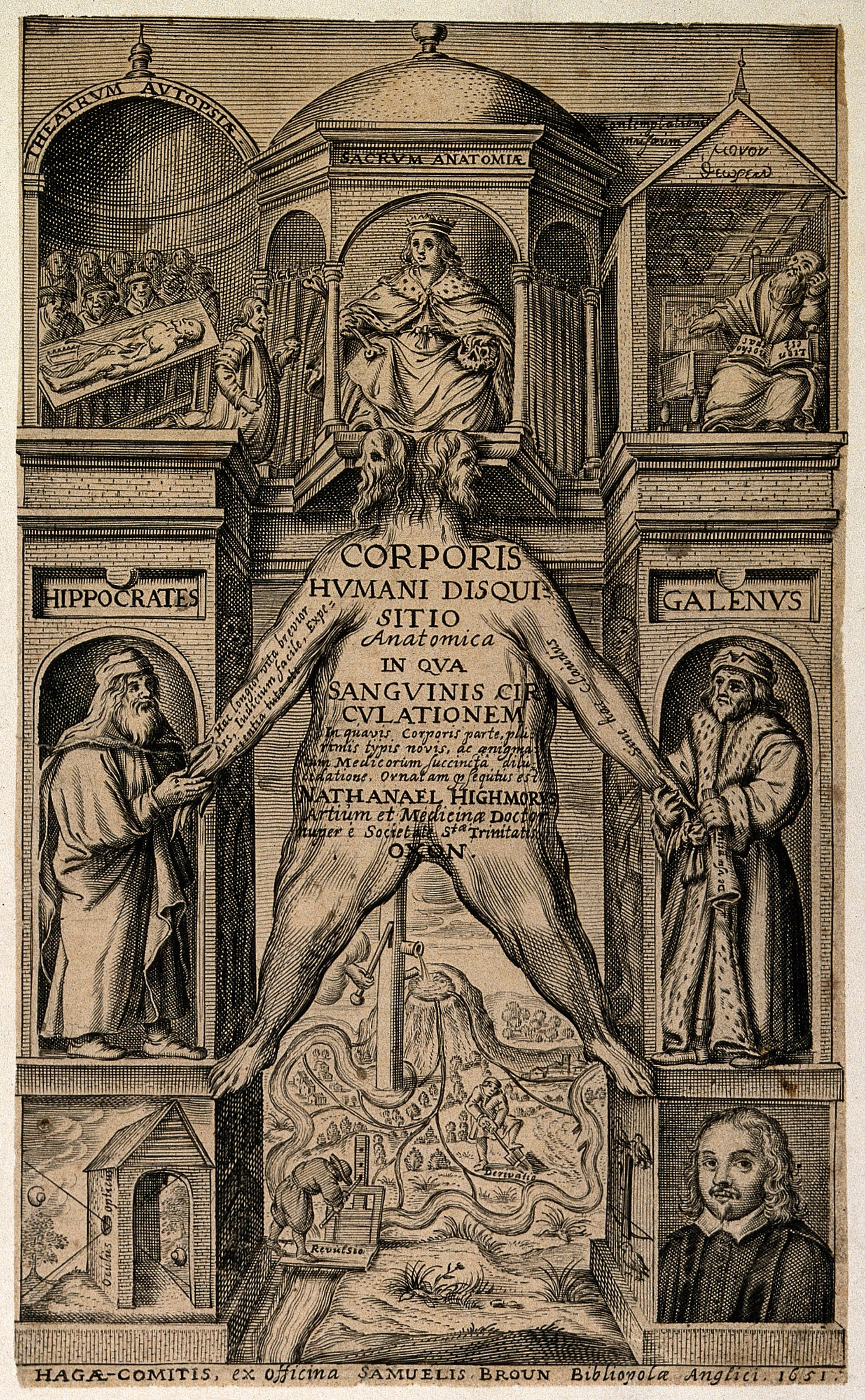
Scientists have been using animals to study biology since the advent of Western science. Nearly 2,000 years ago, dissecting human corpses was taboo, but experimenting on living animals was so widely accepted that Galen’s public vivisections of squealing pigs in Ancient Rome drew crowds of distinguished guests and curious onlookers.
The animal testing industry, however, is much more recent.
Less than a century ago, American pharmaceutical companies could sell drugs without testing them at all. Drug makers weren't forced to do so until the passage of the Food, Drug, and Cosmetic Act in 1938. And the law only required them to demonstrate that their drugs were safe, not necessarily effective.
This laxity began to change in 1962 in the wake of the thalidomide disaster, in which a morning sickness medication was linked to severe birth defects in over 10,000 children worldwide. In response, U.S. lawmakers tightened drug regulation, and since then, drugmakers have been required to submit experimental data from at least two animal species before testing in humans.

Today, nearly all drugs and many of the cosmetics on the market were first tested on lab animals. Although the exact number of lab animals used today is contested, we know that roughly 852,000 animals covered by the Animal Welfare Act, including nonhuman primates, dogs, cats, and birds, were used last year. The number of rats and mice — the vast majority of lab animals — is estimated at over 100 million annually.
Animal testing faced strong backlash from its inception. The Greek philosopher and naturalist, Theophrastus, objected to animal dissections on the grounds that “causing pain to animals was an affront to the gods.”
Centuries later, Charles Darwin wrote his thoughts on vivisection to renowned morphologist Ray Lankester: “I quite agree that it is justifiable for real investigations on physiology; but not for mere damnable and detestable curiosity.”
Like many in the scientific establishment, however, Darwin viewed animal testing as a necessary evil in the absence of viable alternatives. But this is beginning to change. Biotechnology innovations such as microfluidic chips, induced pluripotent stem cells, and 3D bioprinting are making it possible to grow human tissue for testing purposes, tailored
...This excerpt is provided for preview purposes. Full article content is available on the original publication.