Mr. Nobody From Nowhere
Deep Dives
Explore related topics with these Wikipedia articles, rewritten for enjoyable reading:
-
Habitus (sociology)
10 min read
Linked in the article (8 min read)
-
The Liberal Imagination
18 min read
Linked in the article (18 min read)
-
Satyricon
14 min read
The article opens with Petronius's Satyricon and the character Trimalchio, which Fitzgerald considered as alternate titles for The Great Gatsby. Understanding this ancient Roman satirical novel and its critique of nouveau riche excess provides essential context for the literary parallel Fitzgerald was drawing.
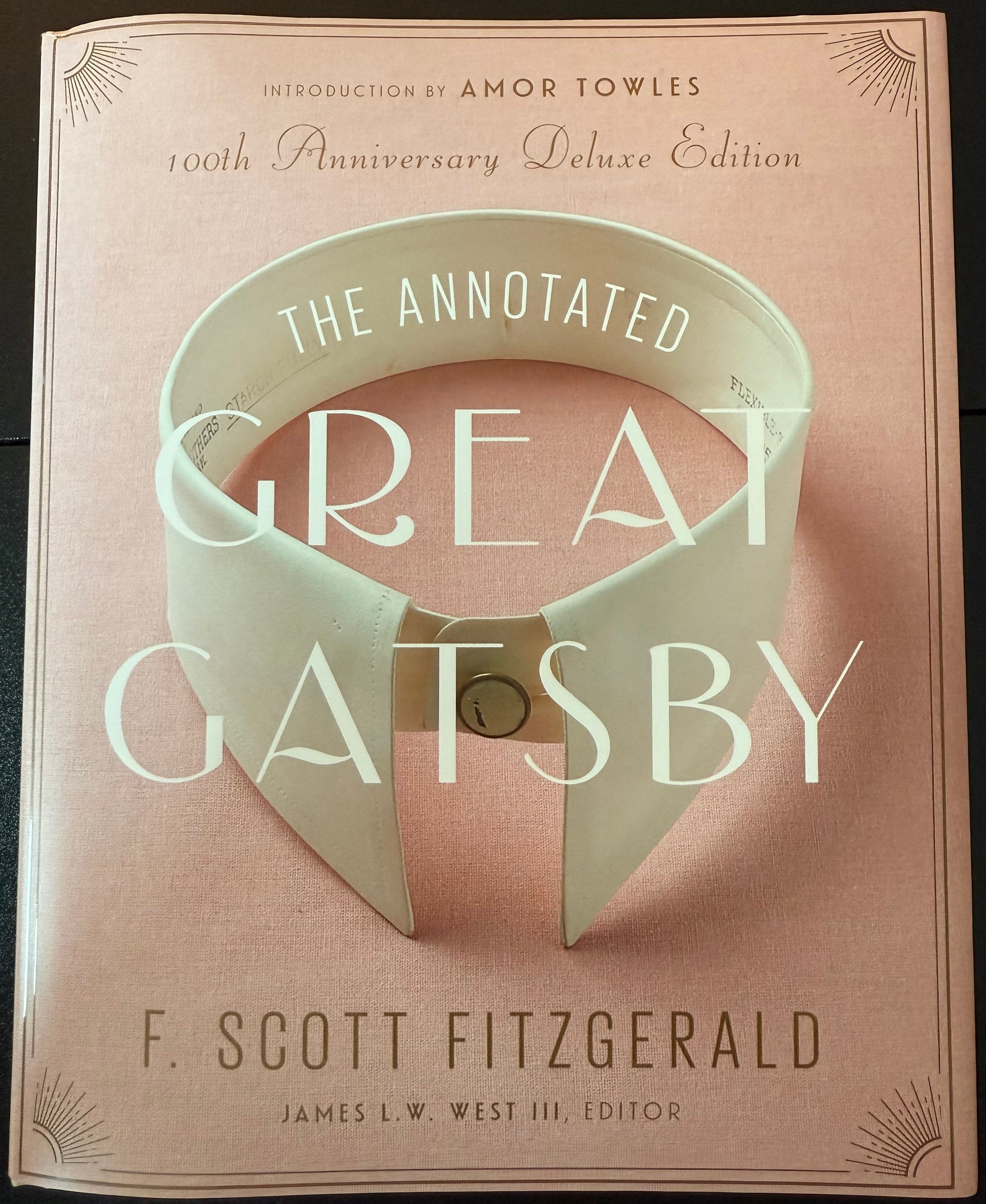
In the Satyricon, written by the Roman author Petronius in the late first century AD, one of the characters is named Trimalchio.
Trimalchio is a freed slave who has grown wealthy. He throws lavish parties for guests who come, drink his wine, eat his food, and depart without bothering to ask his name.
In the process of coming up with a title for what would become The Great Gatsby, author F. Scott Fitzgerald considered two other titles: “Trimalchio” and “Trimalchio in West Egg.”
He also considered “Gold-Hatted Gatsby” and “Among the Ash Heaps and Millionaires.”
Though Fitzgerald was never satisfied with the final title, it has become one of the best known and most widely read books in American history.
Old money versus new money. The emptiness of ambition. Pursuing a prize that is undeserving of your efforts. People have been discussing these topics for a long time. Even before Fitzgerald wrote this book.
In my more cynical moments, I think one reason The Great Gatsby is assigned in high school is to weaken its effect on us (the same goes for Orwell). Anything we are required to read loses some of its power.
Or, as Shilo Brooks points out from his experience as a professor, “a young person might read a certain book before they’re ready for it and then bounce off it. But if they had read that book at 40, they would’ve loved it, and so that impression stays with them.”
If you’re American, you probably read this book in high school like I did. Then I read it again when I was 23. After learning that a 100th anniversary annotated edition was published last year, I read it for a third time.
Recall that young Jimmy Gatz, while serving in the military, falls in love with Daisy, a woman from a wealthy family.
At the time, he lacked the money and the confidence to propose to her. He is reassigned to fight in Europe during the Great War, and becomes determined to make a fortune so that he can return, marry Daisy, and support her in a way that fits her social class and expectations.
To do this, he remakes himself. Jimmy Gatz becomes Jay Gatsby.
He enters the criminal underworld in New York and earns his money quickly and illegally through bootlegging and gambling. Speed has its costs, though. Gatsby acquires his
...This excerpt is provided for preview purposes. Full article content is available on the original publication.