What a Standoff with a Black Bear Taught Me about Life in Northern Alberta
Deep Dives
Explore related topics with these Wikipedia articles, rewritten for enjoyable reading:
-
Fire lookout
12 min read
The author works as a fire tower lookout in Alberta, and the article describes the job's daily routines, history, and purpose. This Wikipedia topic explains the broader system of fire detection that the narrative depends on.
-
Wildland–urban interface
1 min read
The article explicitly mentions the 'Wildland Urban Interface' as the zone where the author's fire tower is located. This concept is central to understanding why human-wildlife conflicts occur and the environmental context of the story.
THEPALMER / iStock
This story was originally published on thewalrus.ca
By Trina Moyles
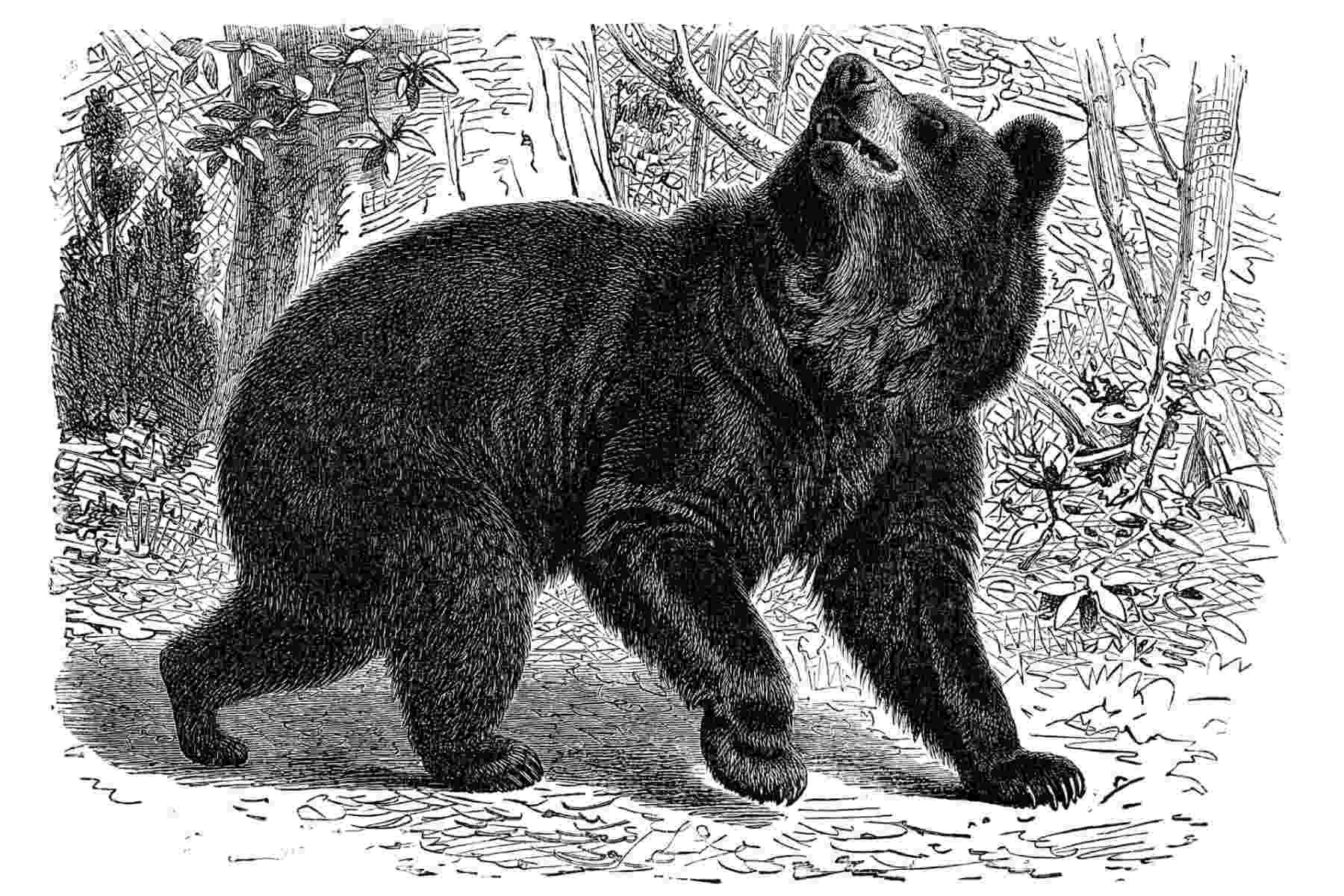
I was five years old when I had my first encounter with a black bear. In the spring of 1990, my father, a wildlife biologist, brought home an orphaned three-month-old cub in a cardboard box. The cub’s mother, having burrowed beneath the roots of an old tree, had been killed in the den by a logging excavator, but the cub, weighing barely more than a bag of apples, survived. Forestry workers caught the young bear and dropped it off at the Fish and Wildlife office in Peace River, Alberta, where my dad worked, and he called my mom with the news.
“The cub is going to stay in the basement for the night,” she told us.
My brother, Brendan, older by three years, raced out the front door, jumped on his bike, and pedalled down the street to tell his friends. The kids who lived on our street often joked that we “lived in a zoo.” Previously, my dad had brought home three orphaned coyote pups that tumbled in play on the concrete floor. On another occasion, there was a barred owl with an injured wing. The summer before, my dad had helped to rescue a moose calf that had been stranded on the riverbank after its mother swam across the kilometre-wide Peace River. The tenderness with which he took off his blue sports jacket and gently wrapped it around the calf’s eyes, so that it wouldn’t be frightened by the crowd of people that gathered on the riverbank to watch, has always stayed with me.
My dad’s work as a biologist felt heroic, even godly, to my five-year-old mind. He seemed to be able to communicate with animals in their wordless languages. He wasn’t afraid to get close, handling them with the same affection he showed when tucking us in at night.
The cub looked at me, and her eyes were a shade of blue not unlike my own.
Once in the basement, my dad held the cub in his gloved hands and invited me and my brother to gently stroke her fur. The feeling of the bear was paradoxical: her long guard hairs were coarse to the touch, but underneath, her coat was soft as a goose down pillow. To feel the warmth of a live bear, a creature that embodied the word wild,
...This excerpt is provided for preview purposes. Full article content is available on the original publication.