Introducing the Big Biology Blog!
Deep Dives
Explore related topics with these Wikipedia articles, rewritten for enjoyable reading:
-
Cell potency
1 min read
The article discusses sponge cells' remarkable ability to de-differentiate and become any cell type (totipotency), comparing it to Deadpool's powers. Understanding totipotency as a biological concept provides deeper context for why this is such a remarkable superpower in nature and its implications for regenerative medicine.
-
Zooxanthellae
12 min read
The article describes coral symbiosis with zooxanthellae as a key 'superpower' but doesn't deeply explain these microscopic algae. Understanding their biology, how the symbiosis works at a cellular level, and why coral bleaching occurs when this relationship breaks down would greatly enrich the reader's understanding.
-
Autotomy
12 min read
The article mentions sea stars can 'autotomize' (drop an arm when threatened), but this fascinating defense mechanism found across many animal groups deserves deeper exploration. Understanding autotomy across species and the evolutionary advantages provides context for the sea star's regenerative abilities.
Welcome to the inaugural Big Biology Blog! I’m Clayton Glasgow, an avid Big Biology listener, and I now have the wonderful privilege of writing blog posts about Big Biology episodes. I earned my bachelor’s degree in Environmental Science at the University of Notre Dame, where I am now pursuing my Master’s of Education through the Alliance for Catholic Education Teaching Fellows program. As part of this program, I currently serve as a high school biology and environmental science teacher in Cleveland, Ohio. I am passionate about science education, and I am excited to become more involved with science communication.
I’ll be writing short blogs that capture some of the major themes and insights from many Big Biology episodes and sharing them here on Substack. Please feel free to leave comments with any questions, critiques, or suggestions you might have, both about the blog and the episode itself. Listener and reader perspectives help us think more critically about the science we share and enrich the Big Biology community for all involved–we encourage you to share your thoughts. If you enjoy this blog, please share it with anyone else you think might also be interested. Now onto the first blog post about our recent episode Not all heroes have spines with Dr. Drew Harvell!
Unsung heroes: Marine invertebrate superpowers in a changing ocean
By Clayton Glasgow
I’m a high school biology teacher, and I recently asked my students the age-old question, “If you could have any superpower, which would you choose?” Many answered with the classics you might expect: flight, invisibility, teleportation, telekinesis, x-ray vision, or super speed. One creative student said she wanted the power to make anyone she didn’t want to hear talk be silent (she promised it wasn’t directed at me). All of my students scoffed at my desire to be fluent in all forms of communication, although I still think it would be an amazing (albeit, slightly nerdy) superpower.
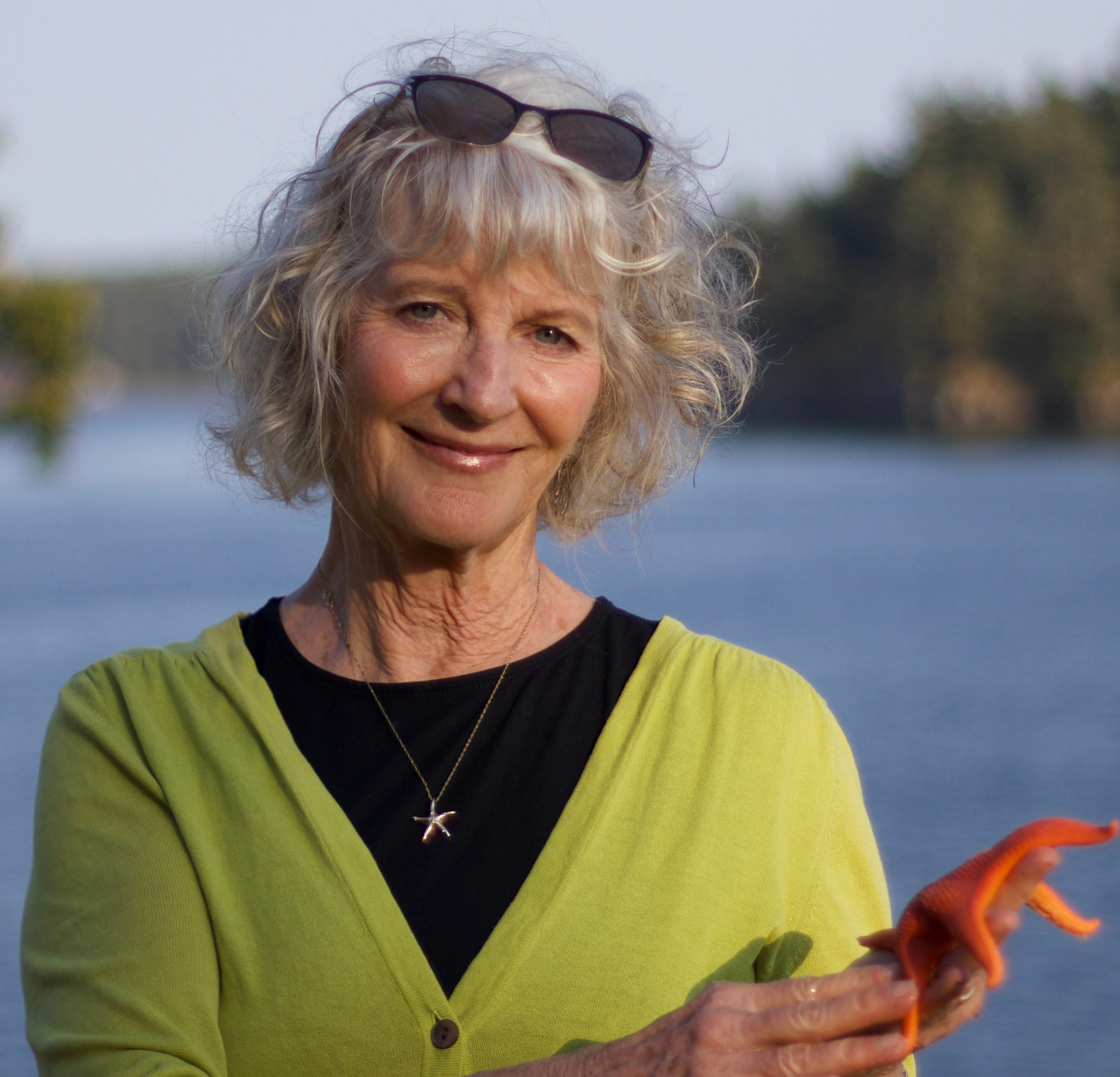
Dr. Drew Harvell, a recent featured guest on Big Biology, is an expert on superpowers, but not on the superpowers of comics, movies or students’ imaginations. She studies the real-life superpowers of some of the ocean’s most important and fantastic creatures. Her new book, The Ocean’s Menagerie: How Earth's Strangest Creatures Reshape the Rules of Life, is an exploration and celebration of some of the ocean’s unsung heroes—invertebrates—and how marine invertebrate
...This excerpt is provided for preview purposes. Full article content is available on the original publication.