Weekly Readings #196 (11/03/25-11/09/25)
Deep Dives
Explore related topics with these Wikipedia articles, rewritten for enjoyable reading:
-
Zohran Mamdani
16 min read
The article makes a cryptic reference to 'Zohran would write his own book instead of leaving the task to Ross' - this New York State Assemblyman and democratic socialist politician provides context for the political commentary being made about authentic experience versus mediated representation
A weekly newsletter on what I’ve written, read, and otherwise enjoyed.
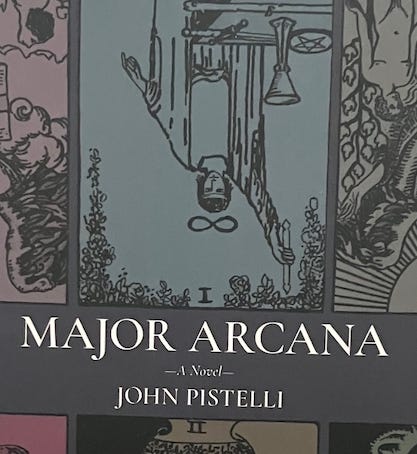
Welcome to all the new subscribers and followers the algorithm has blessed me with! Since I was flattered to hear myself mentioned in a complimentary light on a recent Beyond the Zero podcast episode,1 I’d like to direct all new readers to my own BTZ appearance earlier this year,2 a painless and brief introduction to me and to my new novel Major Arcana. You can order Major Arcana here in all formats—print, ebook, and audio—or in print wherever books are sold online. You can also buy it directly from Belt Publishing—we receive more of a profit that way—or you might also suggest that your local library or independent bookstore acquire a copy. Please also leave a Goodreads, Amazon, or other rating and review. Thanks to all my readers!
Then there’s The Invisible College, my literature podcast for paid subscribers, and my own bid to keep the arts and humanities alive after their functional extirpation from the universities. We are more than halfway through a 15-part sequence on the modern American novel. This week, in an episode called “The Uncreated Features of His Face,” we considered Ralph Ellison’s Invisible Man. Almost no major American author in the 20th century faced a more potent challenge from the narrow-minded “all art is political” crowd than Ellison did, from a reductionist-activist crew that refused to understand the higher liberation furnished by Ellison’s (and modernism’s3) synthesis of universalizing aesthetic order with cultural and individual particularity. Ellison’s doubling across the novel of the Booker T. Washington mentality with the Communist one as versions of the same materialist mistake, a cynical regimenting against error that becomes a philistine enemy to Bildung, may “speak for us,” as the novel’s last line promises, in our time of different but equivalent attempts to surveil and optimize all. Next week: Ellison’s great friend Saul Bellow considers the personal and cultural landscape of the midcentury in his masterpiece of intellectual breakdown Herzog. Please remember that a paid subscription to Grand Hotel Abyss buys you access to The Invisible College’s ever-expanding archive, with almost 90 two- to three-hour episodes on literary subjects from Homer to Joyce. Thanks to all my current and future paid subscribers!
For today, another pass at those twin questions: “Must the artist be experienced?” and “Must the artist
...This excerpt is provided for preview purposes. Full article content is available on the original publication.