Weekly Dose of Optimism #175

Hey friends 👋 ,
Happy SATURDAY and welcome to a special weekend edition of the Weekly Dose. We’re sending today because we sent our deep dive on a16z yesterday, but let me know what you think about the weekend send. Might be a good way to spend a Saturday morning, coffee in hand, optimism in veins.
One thing I’m personally optimistic about right now is not boring world. It was a great launch week: #1 rising in business, #2 new bestseller overall, top 60 in business. And as we speak, I’m working on drafts of the first two cossays. We might also begin sharing more of the stories that we left on the Weekly Dose cutting room floor. Join us.
For now, we have a new food pyramid, Chinese Peptides, Boltz Lab, HALEU $$$, and Rintamaki on Robots.
Let’s get to it.
Today’s Weekly Dose is brought to you by… Framer

Framer gives designers superpowers.
Framer is the design-first, no-code website builder that lets anyone ship a production-ready site in minutes. Whether you’re starting with a template or a blank canvas, Framer gives you total creative control with no coding required. Add animations, localize with one click, and collaborate in real-time with your whole team. You can even A/B test and track clicks with built-in analytics.
Ready to build a site that looks hand-coded without hiring a developer?
Launch a site for free on Framer dot com. Use NOTBORING for a free month on Framer Pro.
(1) There’s a New Food Pyramid in Town
Joe Gebbia and the National Design Studio
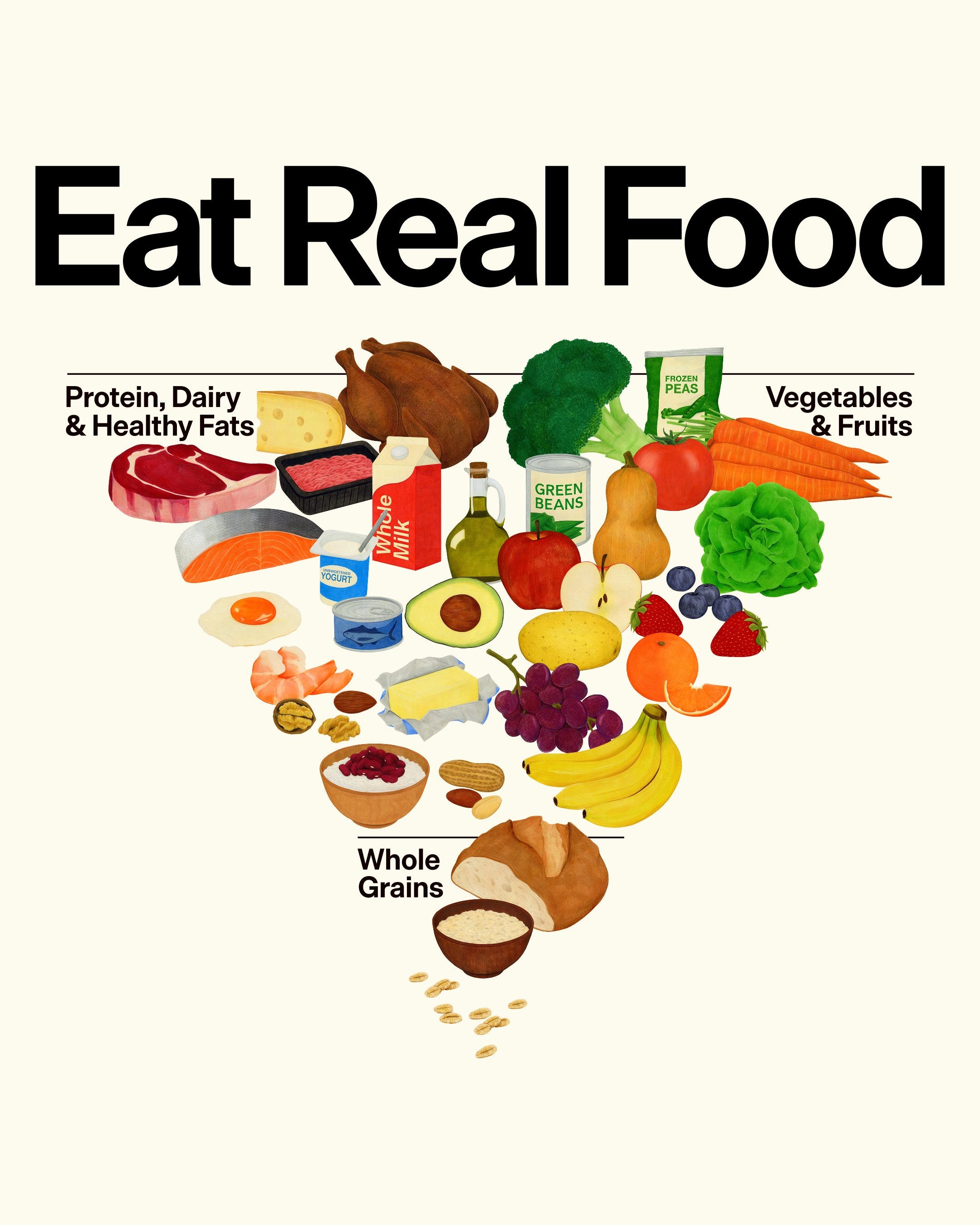
We all grew up looking at the food pyramid. Eat lots of carbs and few fats. Gospel.
Then, in the early 2000s, we learned the food pyramid was probably a pyramid scheme thanks to Gary Taubes’ New York Times piece What if It’s All Been a Big, Fat Lie?
The story goes something like this. We used to eat good, normal diets: meat, eggs, butter, vegetables, the stuff humans had eaten for millennia. Then heart disease rates started climbing in mid-century America, and in the 1950s an ambitious University of Minnesota physiologist named Ancel Keys became convinced that dietary fat was the culprit. His Seven Countries Study showed a correlation between saturated fat consumption and heart disease, though critics later pointed out he cherry-picked his countries and ignored confounding variables. Keys was brilliant and ferociously combative, and
...This excerpt is provided for preview purposes. Full article content is available on the original publication.