We're about to hit the debt ceiling...
I’m Isaac Saul, and this is Tangle: an independent, ad-free, subscriber-supported politics newsletter that summarizes the best arguments from across the political spectrum — then “my take.”
First time reading? Sign up here.
Today’s read: 10 minutes.
We’re covering the debt ceiling, what it is, and what it means if we hit it.
Quick hits.
The U.S. is averaging 1,500 deaths a day from Covid-19 for the first time since March. (The toll)
Yesterday, Virginia removed a famous Robert E. Lee statue in Richmond that was erected in 1890. (The removal)
The Taliban is allowing 200 foreign citizens, including Americans, to leave on the first international flights out of Afghanistan since the U.S. withdrawal ended. (The release)
President Biden is expected to announce that all federal workers must be vaccinated, with no option for testing as an out. (The announcement)
Around 310,000 Americans filed for unemployment benefits last week, the fewest since the pandemic began and an encouraging sign in the economic recovery. (The new low)
What D.C. is talking about.
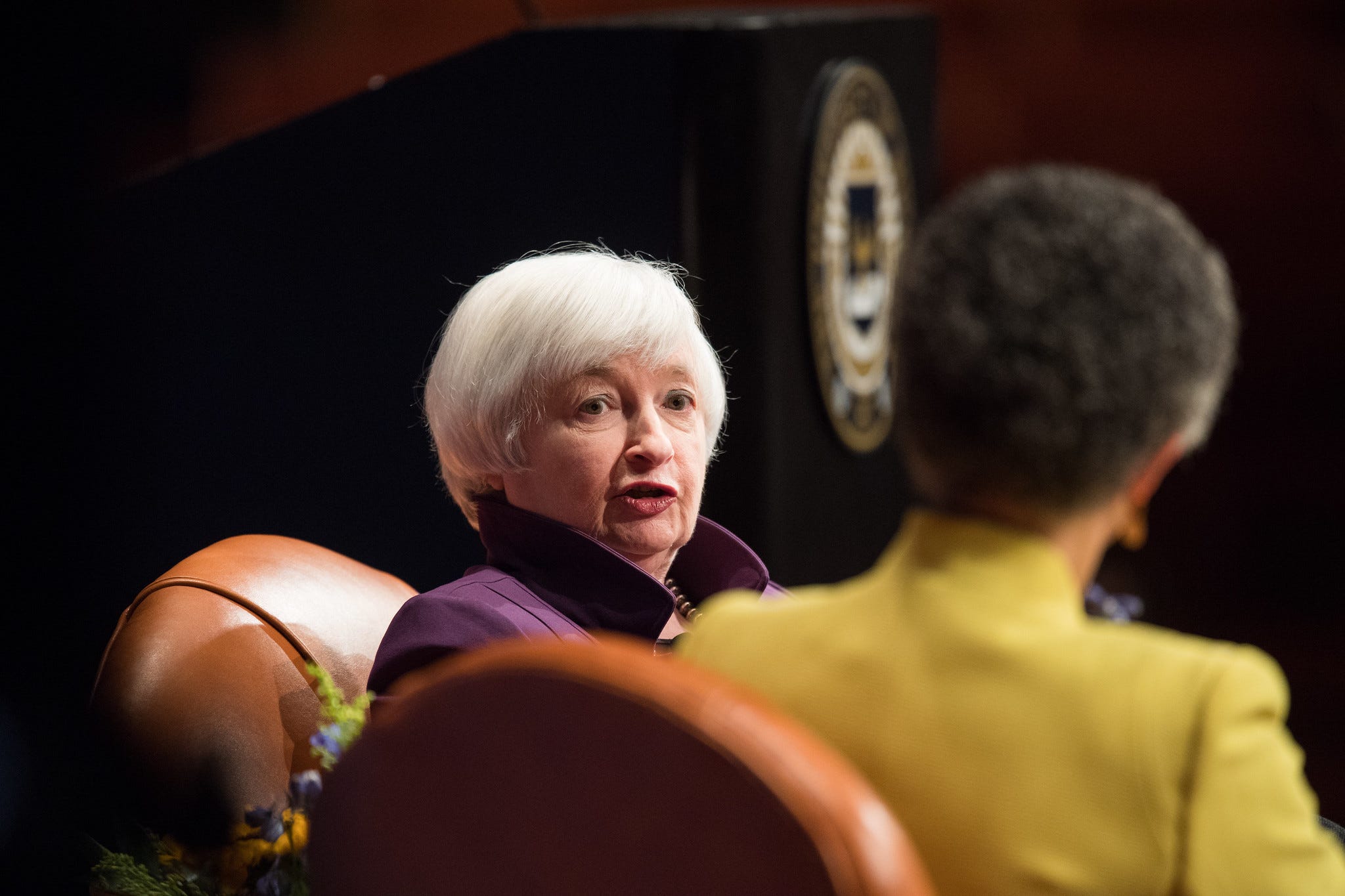
The debt ceiling. Yesterday, Treasury Secretary Janet Yellen sent a warning to Congress: the United States’ debt ceiling is quickly approaching, and the U.S. could default on its debt as soon as October if action isn’t taken to raise or suspend it.
The what? The debt ceiling is the maximum amount of money the United States can borrow. Our government borrows money when the Treasury Department issues government securities, or treasury bonds, that other countries and institutions buy. That infuses the government with cash, and it means our debt is owned by U.S. institutions, the U.S. public, and other nations.
The debt ceiling was created in 1917 under the Liberty Bond Act as a way to rein in government spending and increase the efficiency of our borrowing. In essence, the goal was to allow the U.S. Treasury to borrow money without Congressional approval and within the bounds of the debt ceiling framework. If the national debt hits the debt ceiling, the Treasury Department is supposed to take “extraordinary” measures to pay off our debt and expenditures until the ceiling is raised again. The larger issue is that if we hit our debt limit or fail to
...This excerpt is provided for preview purposes. Full article content is available on the original publication.