The Rorschach Regime Change Test
Deep Dives
Explore related topics with these Wikipedia articles, rewritten for enjoyable reading:
-
United States invasion of Panama
13 min read
The 1989 Operation Just Cause to capture Manuel Noriega (also an indicted drug trafficker and leader) provides the closest historical parallel to the Maduro operation - similar law enforcement/military framing ambiguity, similar narcotics indictment justification, and same debate about jurisdiction and congressional authorization.
-
War Powers Resolution
13 min read
The article discusses whether Trump needs congressional approval for military action in Venezuela. This 1973 law defines exactly when presidents can use military force without Congress - central to understanding the legal debate between Rubio's and Trump's framings.
-
Special Inspector General for Afghanistan Reconstruction
10 min read
Mentioned explicitly in the article as precedent for congressional oversight of foreign operations. SIGAR's work exposing failures in Afghanistan nation-building directly parallels what oversight of Venezuela might look like - and the reader likely doesn't know how these inspector general offices actually function.
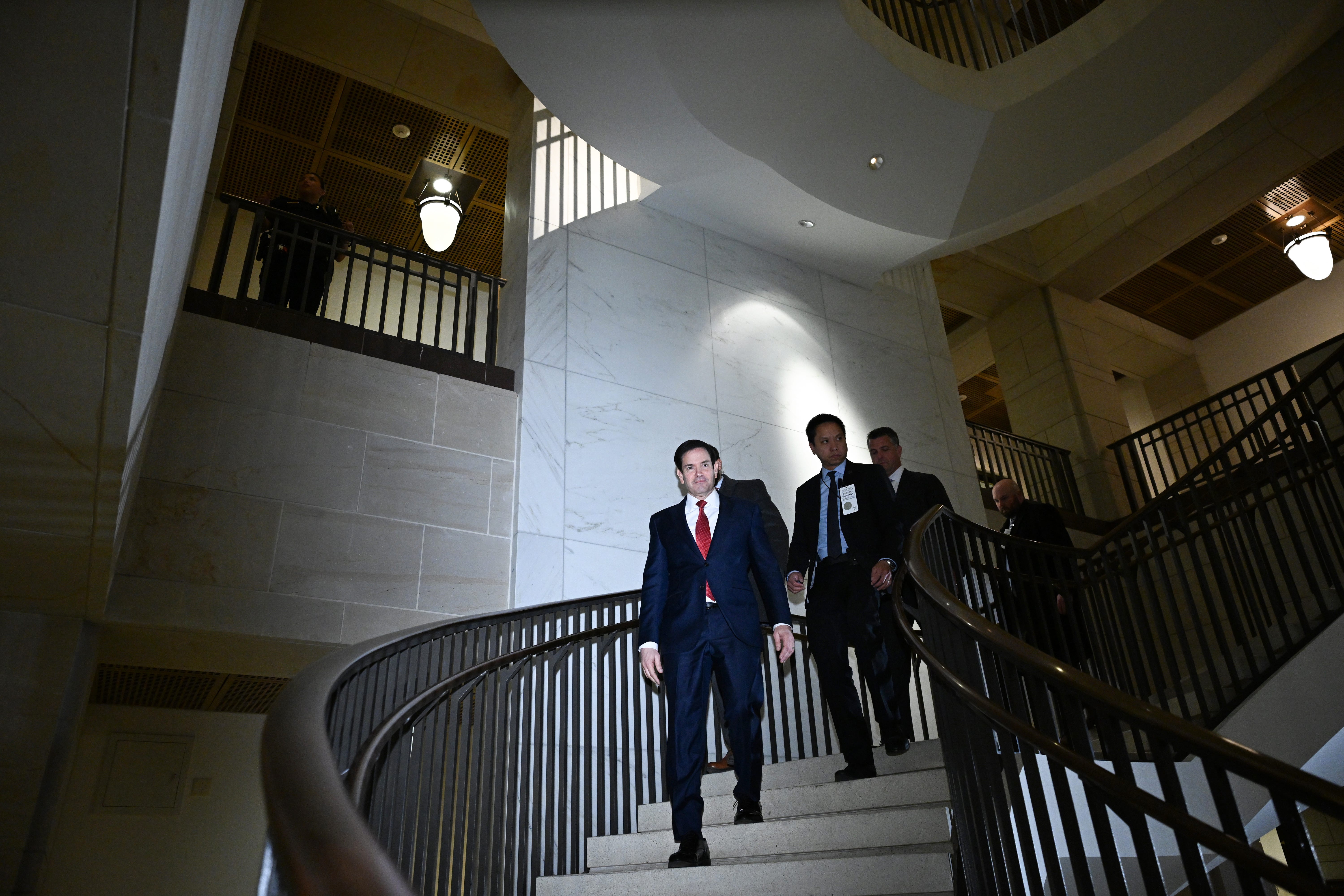
Whose line is it anyway?
The American government has billed the dramatic capture and extradition of Venezuelan President Nicolás Maduro over the weekend as a law enforcement operation carried out with the support of the U.S. military. Now that Maduro is in custody, the United States intends to exert control of the country through (what the administration assumes will be) Maduro’s pliant vice president, whose primary task is to open up Venezuela’s nationalized oil production to American corporations.
That’s the administration’s high-level story, at least. But as more context comes out, it gets less clear whether Maduro’s capture was a law enforcement action, a military operation, or some secret third thing.
Secretary of State Marco Rubio went with the law enforcement framing in comments he made over the weekend. “The Department of War plays a very important role here along with the Department of Justice, for example, because they’ve got—they’re the ones that have to go to court,” he said on NBC’s Meet the Press.
“And I assure you the people left behind in Venezuela now that are in charge of the police and everything else, I assure you they’re going to probably be a lot more compliant than Maduro was as a result of this,” he added later, suggesting the show of force in apprehending Maduro would do much to convince the regime to follow America’s lead going forward without requiring an invading and occupying force.
President Donald Trump apparently hasn’t gotten that memo.
“We are ready to stage a second and much larger attack if we need to do so,” he said. “So we were prepared to do a second wave if we need to do so.”
“We’re not afraid of boots on the ground,” the president added.
If you’re not sure how exactly to square these statements, you’re in good company. Much of Capitol Hill is confused as well.
Accepting the law enforcement framing raises the question of what jurisdiction the United States has beyond its borders. (Among the charges in the indictment are allegations that Maduro and co. violated American firearms laws.) Further, if the goal was merely to arrest Maduro, why is Trump threatening further attacks against Venezuela?
If there is a war effort, however, then the administration will run into other problems: They would lack the authorization to unilaterally invade without congressional approval.
...This excerpt is provided for preview purposes. Full article content is available on the original publication.