Alberta Unstuck
Deep Dives
Explore related topics with these Wikipedia articles, rewritten for enjoyable reading:
-
Kyoto Protocol
12 min read
The article mentions Guilbeault's 2001 protest advocating for Kyoto Protocol ratification. Understanding this landmark international climate treaty provides essential context for the tension between environmental policy and energy development that drives the article's central narrative about Alberta's new energy accord.
-
Oil sands
13 min read
The article discusses a 'bitumen pipeline' and Alberta's oil reaching Asian markets. Understanding the technical and environmental aspects of oil sands extraction—Alberta's primary petroleum resource—illuminates why emissions caps and environmental regulations are so contentious in this region.
-
Trans Mountain pipeline
14 min read
The article explicitly references 'the Trans Mountain expansion's additional 300,000 to 400,000 barrels per day.' Understanding this controversial pipeline project's history, the government's nationalization of it, and the political battles it sparked provides crucial context for the new indigenous-owned pipeline proposal.
“The test of policy is how it ends, not how it begins.” – Henry Kissinger
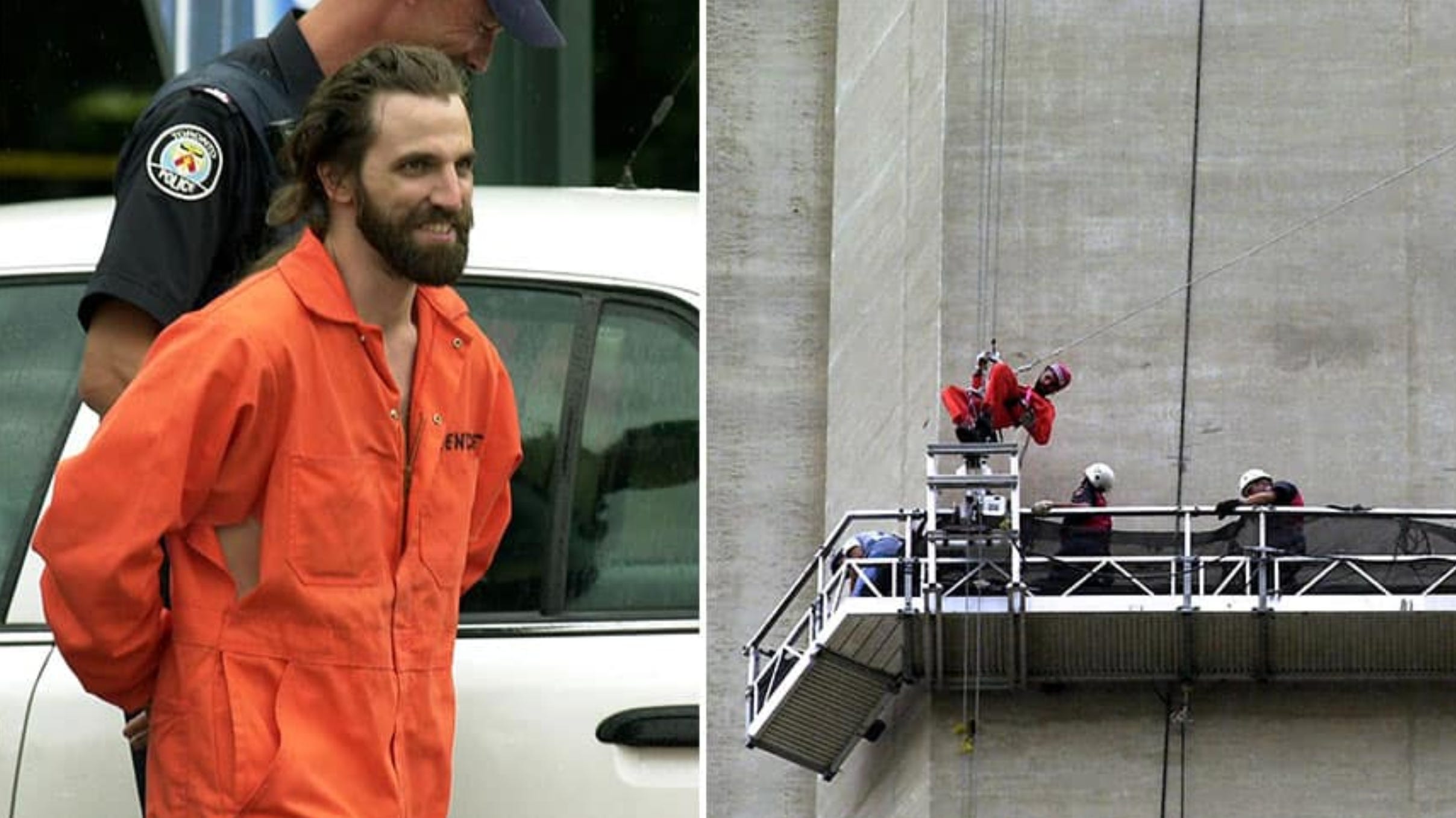
It is hard to picture Ed Miliband, or John Kerry, or any other government-appointed bishop of the Church of Carbon™ putting life or limb at risk for their beliefs. Heck, they probably don’t even fly commercial. Not so for Canada’s true-blue (green?) environmental warrior, Steven Guilbeault, who famously scaled the CN Tower in Toronto in 2001 to unfurl a banner criticizing climate inaction and imploring ratification of the Kyoto Protocol. He was subsequently arrested.
Until recently, Guilbeault was the Canadian minister of Environment and Climate Change, but as Doomberg readers are well aware, the times in Canada, they are a-changing. Guilbeault was ousted from his climate post when Prime Minister Mark Carney took the top spot from Justin Trudeau. As a consolation prize, Guilbeault was named Minister of Canadian Identity and Culture, Minister Responsible for Official Languages, Minister of Nature and Parks Canada, and Quebec Lieutenant (seriously!).
Guilbeault chose to resign these august positions and leave Carney’s cabinet altogether on the heels of this remarkable news:
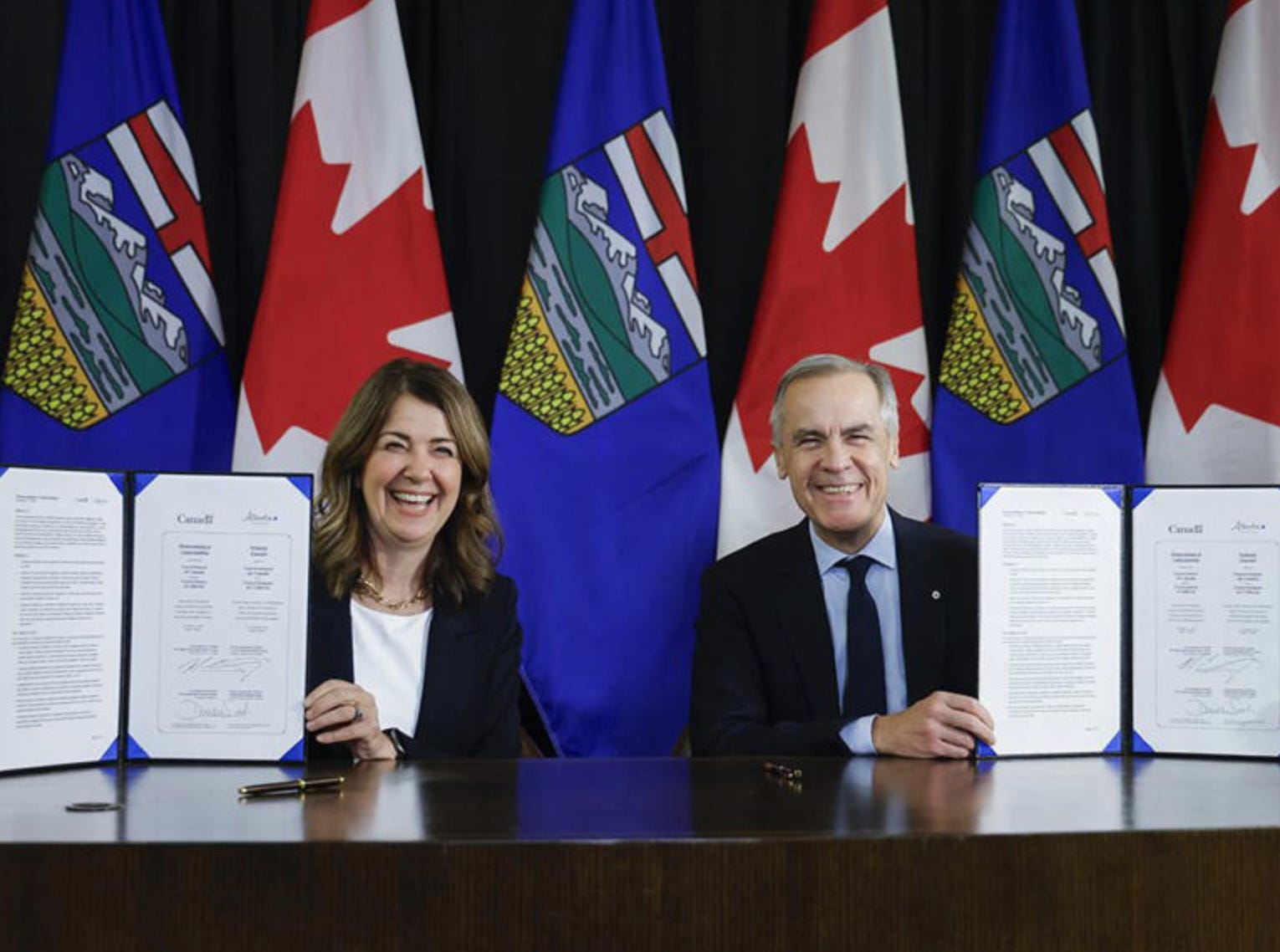
“Alberta and Ottawa have signed a sweeping new energy accord that Premier Danielle Smith says marks a ‘new starting point for nation building,’ including a pledge from Prime Minister Mark Carney’s government to shelve its oil and gas emissions cap, suspend clean power rules, and back a major indigenous-owned pipeline to get oil to Asian markets. The agreement, signed Thursday, clears the way for a privately financed, indigenous co-owned bitumen pipeline capable of moving more than one million barrels per day to a deep-water port on the Pacific coast.
Ottawa formally declared the project to be in the national interest, while also signalling it will adjust the tanker ban to allow Alberta’s oil to reach Asia. The line would come on top of the Trans Mountain expansion’s additional 300,000 to 400,000 barrels per day.”
A year ago this week, we predicted much of what has since transpired in Canadian energy politics when we published “Alberta Clipper,” a mental model we developed further in April with “The Fix Is In.” Among our expectations at the time, only a resolution to the US–Canada trade negotiations remains unrealized, although with the Alberta deal out of the way, we would not be
...This excerpt is provided for preview purposes. Full article content is available on the original publication.