I Met a Guerrilla Fighter that Evaded US-Backed Death Squads for 20 Years. Here are 7 Takeaways about American Intervention.
I recently traveled to El Salvador to study Latin American history firsthand. The timing felt urgent. The US is once again intervening across the region, and back home, attacks against Central American migrants have intensified with almost no acknowledgment of why those migrants came here in the first place. Politicians talk about “invasion” and “infestation” while conveniently ignoring the decades of American foreign policy that destabilized entire nations and sent millions fleeing north.
So I went looking for answers. I found them in a forest, from a man with a machete.
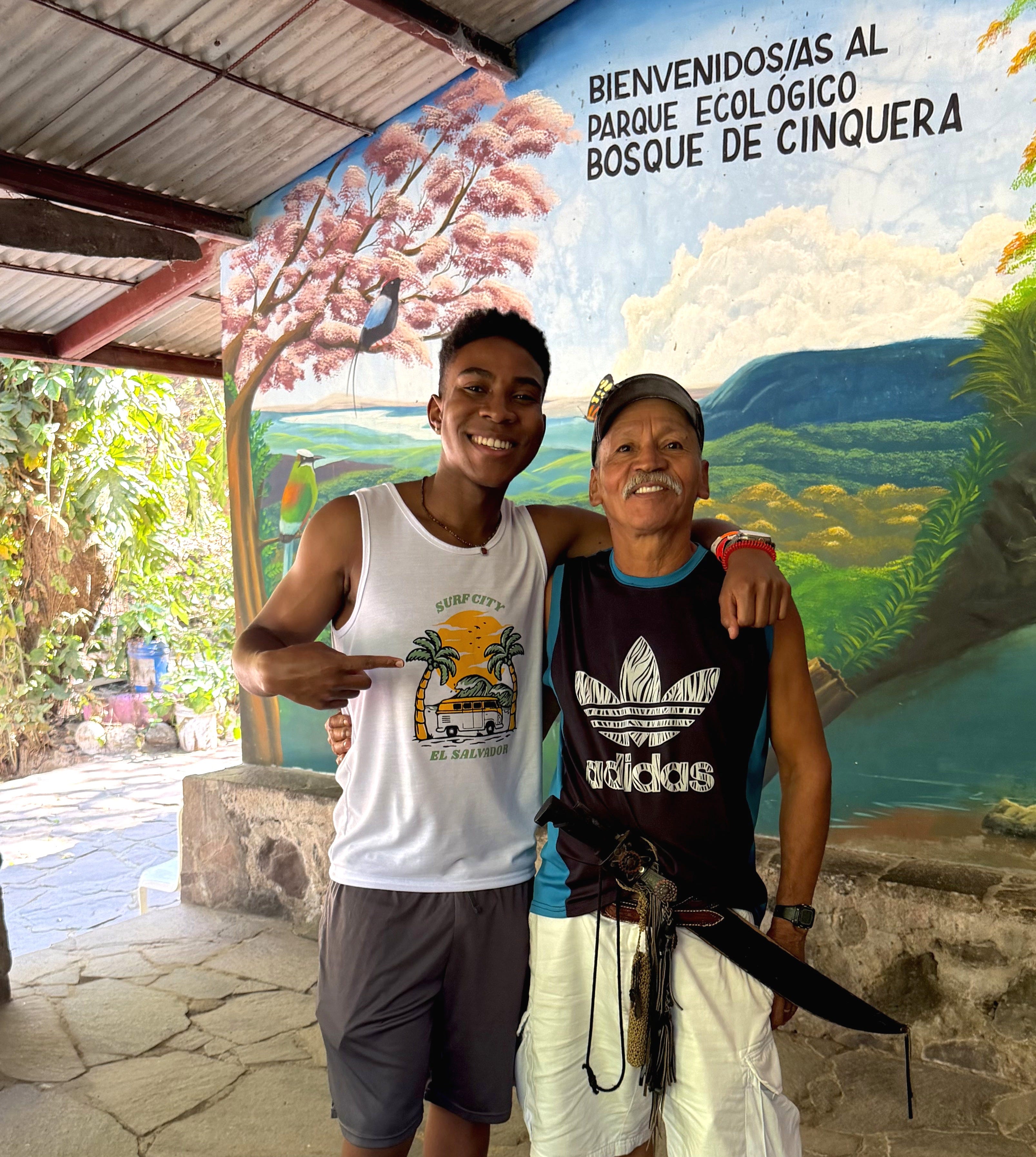
Rafael Hernandez, known locally as Don Rafa, is 63 years old and serves as head park ranger at El Salvador’s Cinquera Forest. He has an easy laugh and spends his days clearing hiking trails for tourists. He looks like someone’s favorite uncle.
He also spent over a decade as a guerrilla commander fighting a US-funded military that dropped bombs on his village half a dozen times every day.
Here are seven things I learned from his testimony and my further research.
1. The US hates left-wing leaders and loves right-wing dictators.
Rafael grew up in a country that functioned like a medieval fiefdom. A tiny oligarchy, often called “The Fourteen Families,” controlled virtually all arable land while the peasants who worked it earned pennies. His neighbors labored six days a week on someone else’s soil and still couldn’t afford doctors or schools for their children.
This arrangement had American blessing. Throughout the 1980s, Washington funneled roughly $1 million a day to El Salvador’s military government, eventually totaling around $6 billion. The official reason was to stop Communism. The practical effect was protecting coffee exports and the plantation owners who profited from them.
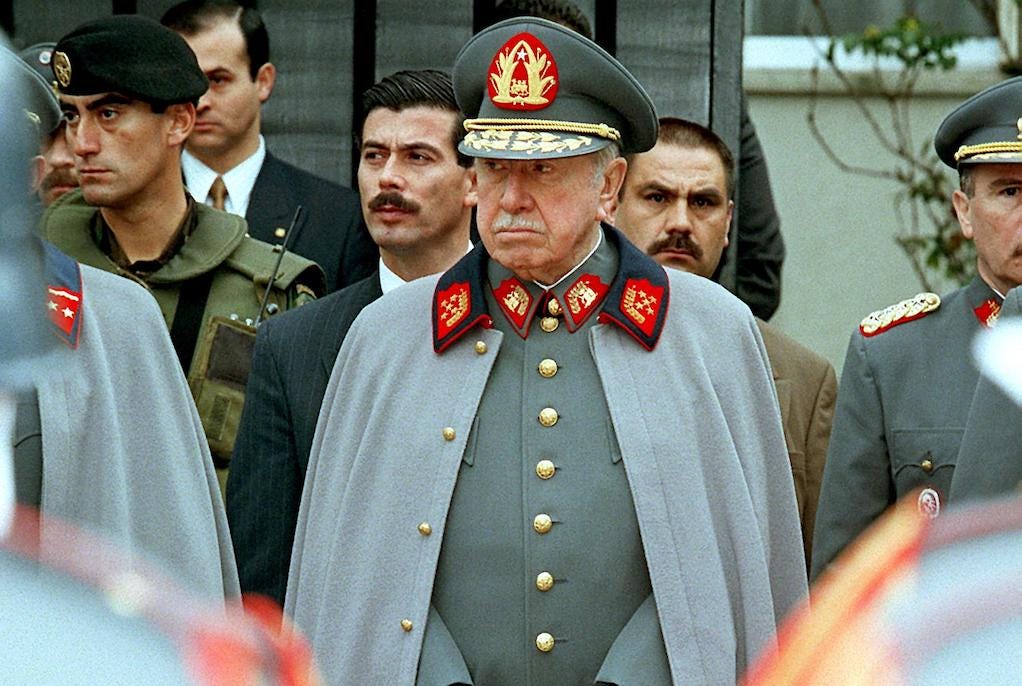
The pattern throughout the Cold War era (and the time shortly before and thereafter) was consistent: any leader who threatened to redistribute wealth downward was labeled a Communist threat. Any dictator who slaughtered people to keep wealth flowing upward was treated as a partner in stability. When Farabundo Martí suggested land should belong to those who farmed it, Washington branded him a dangerous radical. When General Maximiliano Hernández Martínez killed 30,000 indigenous people in 1932 to crush a peasant uprising, Washington hardly blinked because the coffee kept shipping and the plantation owners kept profiting.
This repeated globally. In Guatemala (1954), the CIA overthrew Jacobo Árbenz after land reform threatened
...This excerpt is provided for preview purposes. Full article content is available on the original publication.