China Forces Scott Bessent to Embrace Anti-Monopoly Tactics
The term “premature anti-fascist” was a wry and cynical take from the first group of Americans to oppose Adolf Hitler. From 1936-1939, the Italian and German government sponsored a fascist in Spain, Francisco Franco, in a civil war between his forces and those of the motley disorganized left, some of whom were Soviet-aligned Communists and some of whom were not. Leftists from all over the world, like George Orwell, volunteered to fight Franco, and just a few years later, World War II was the same ideological conflict, but worldwide.
You’d think the people who were right early on would be feted as wise, but in fact, the opposite occurred. In the 1950s, the FBI and Senator Joe McCarthy went after liberals and leftists across a host of industries, in what was known as the “Red Scare.” Among the most targeted groups were those who volunteered to fight against fascism in the Spanish Civil War. It was important to be against Hitler, but not too early. Hence the term “premature anti-fascist.”
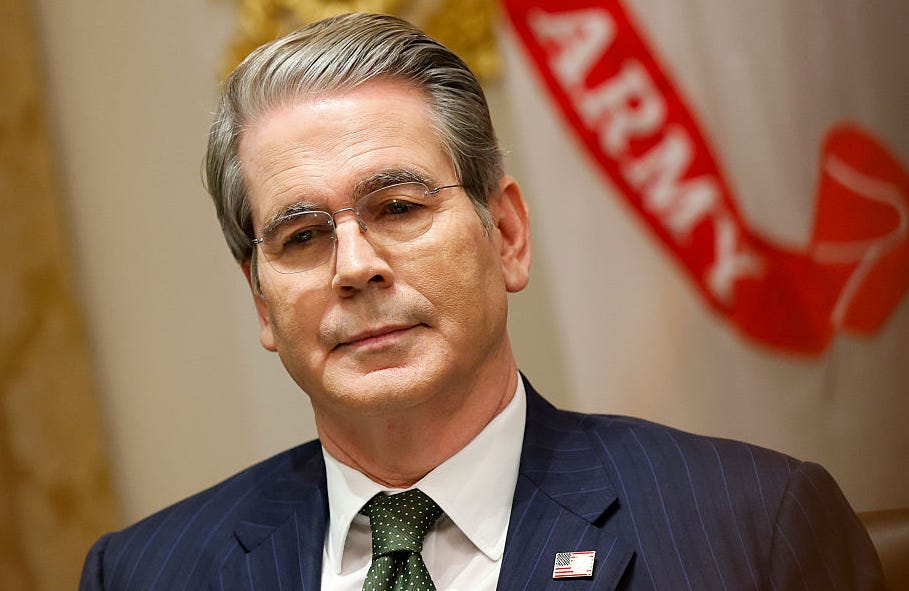
Today, we are in a similar moment with anti-monopoly arguments. Two days ago, Treasury Secretary Scott Bessent laid out that the U.S. government is going to be setting minimum price floors across a host of industries, to thwart unfair pricing by the Chinese state. China has a smart industrial policy, the government subsidizes its industries so that they can charge below-cost rates, driving everyone else out of business and ensuring that the Chinese industry then has the scale and knowledge to become more efficient. In many areas, such as electric vehicles, the government fosters markets that are brutally competitive. The result is a set of world-class firms that have dominant market shares and can project Chinese geopolitical power, in everything from rare earth magnets to battery-grade cobalt and lithium processing to batteries to high quality graphite.
Over the past eight months, the Chinese government has started to use this power explicitly. It created an elaborate set of rules for who can get access to rare earth magnets and materials, which are critical components that go into everything from electronics to medical devices to cars to weapons, with hard-to-pronounce names like dysprosium, gadolinium, lutetium, samarium, scandium, terbium and yttrium. It won’t allow rare earths to be used in foreign militaries. To
...This excerpt is provided for preview purposes. Full article content is available on the original publication.