#59: How Do You Know Your Novel is Finished?
Hello friends! A little business before we dive into this month’s craft essay:
First, my review of the novel Eradication by Jonathan Miles appeared in this past weekend’s New York Times Book Review. It’s an excellent novel and a fine addition to the fast-growing genre of climate fiction. Check out the review and give the book a look. I’d love to talk to more people who’ve read it!
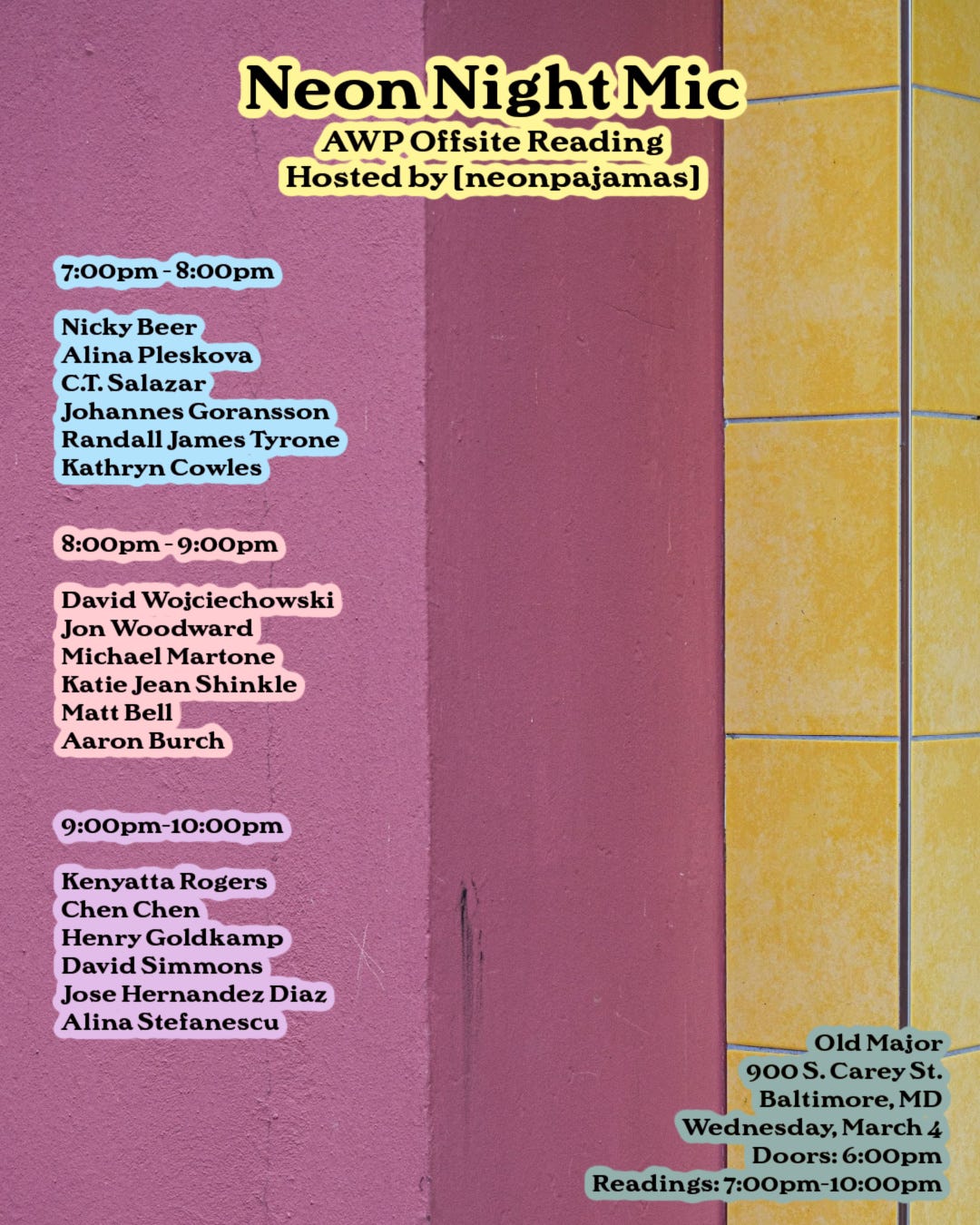
If you’re traveling to AWP this week, I’ve got three events during the conference, starting with the Neon Night Mic reading on Wednesday at Old Major at 900 S. Carey St, where I’ll be reading in the 8-9pm hour. I’m also on two Friday panels, The Art and Craft of the Craft Book at 9am and Rewriting Stories that History Forgot at 1:45pm. I hope to say hi to some of you throughout the week!
Finally, my next quarterly Zoom lecture for paid subscribers will be on March 19 at 7pm ET, and will cover best practices for writing outlines for novels. It’s something readers have been asking for now for some time, and it’s something I haven’t really taught before because it can be difficult to quickly show examples. But I’m going to figure out how to best show some of my own planning documents, and I’ll talk about how and why I did things the way I did and what I got out of each method I’ve tried. I think it’ll be very useful to writers at different stages of the writing process, and I hope you’ll consider joining us as a paid supporter of No Failure, Only Practice. If you’re already subscribed, then you don’t have to do anything to sign up: I’ll send out the Zoom link and other instructions when we get closer to the date. (As always, the lecture will be recorded for anyone who can’t attend in real time.)

#59: How Do You Know Your Novel is Finished?
Since Refuse to Be Done came out four years ago, the number one question I’ve been asked by its readers is this: Really though, how do you know when you’re finished? I get it! Most writers are more than willing to do as much hard work as necessary but they do want to know where the effort’s endpoint lies. Over the years, I’ve answered in different ways but I’ve never felt particularly happy
...This excerpt is provided for preview purposes. Full article content is available on the original publication.