Shasta La Vista, Baby
Deep Dives
Explore related topics with these Wikipedia articles, rewritten for enjoyable reading:
-
Jefferson (proposed Pacific state)
11 min read
Linked in the article (13 min read)
-
Central Valley Project
13 min read
Shasta Dam is a key component of this massive New Deal-era federal water management system. Understanding the CVP provides essential context for the dam's construction, the political battles over California water rights, and the ongoing tensions between federal infrastructure and local communities.
-
Gerrymandering
15 min read
The article discusses Proposition 50 and redistricting that effectively dilutes Shasta County's conservative vote. Understanding the history and mechanics of gerrymandering illuminates why this redistricting is so controversial and how it relates to broader democratic representation issues.
“All politics is local.” – Tip O’Neill
In 1848, gold was discovered near Clear Creek in Northern California. The creek feeds into the Sacramento River, which partitions Shasta County into two parts as it flows north to south. The river runs through the Sacramento Valley, with rugged mountain ranges rising on nearly every side. To the northwest and west are the Klamath Mountains and the Coast Range, while the Cascades Range borders the northeast and east. It took a rugged individual with a strong independent streak to make a go of it, followed by several thousand people who flooded the region in search of life-changing riches.
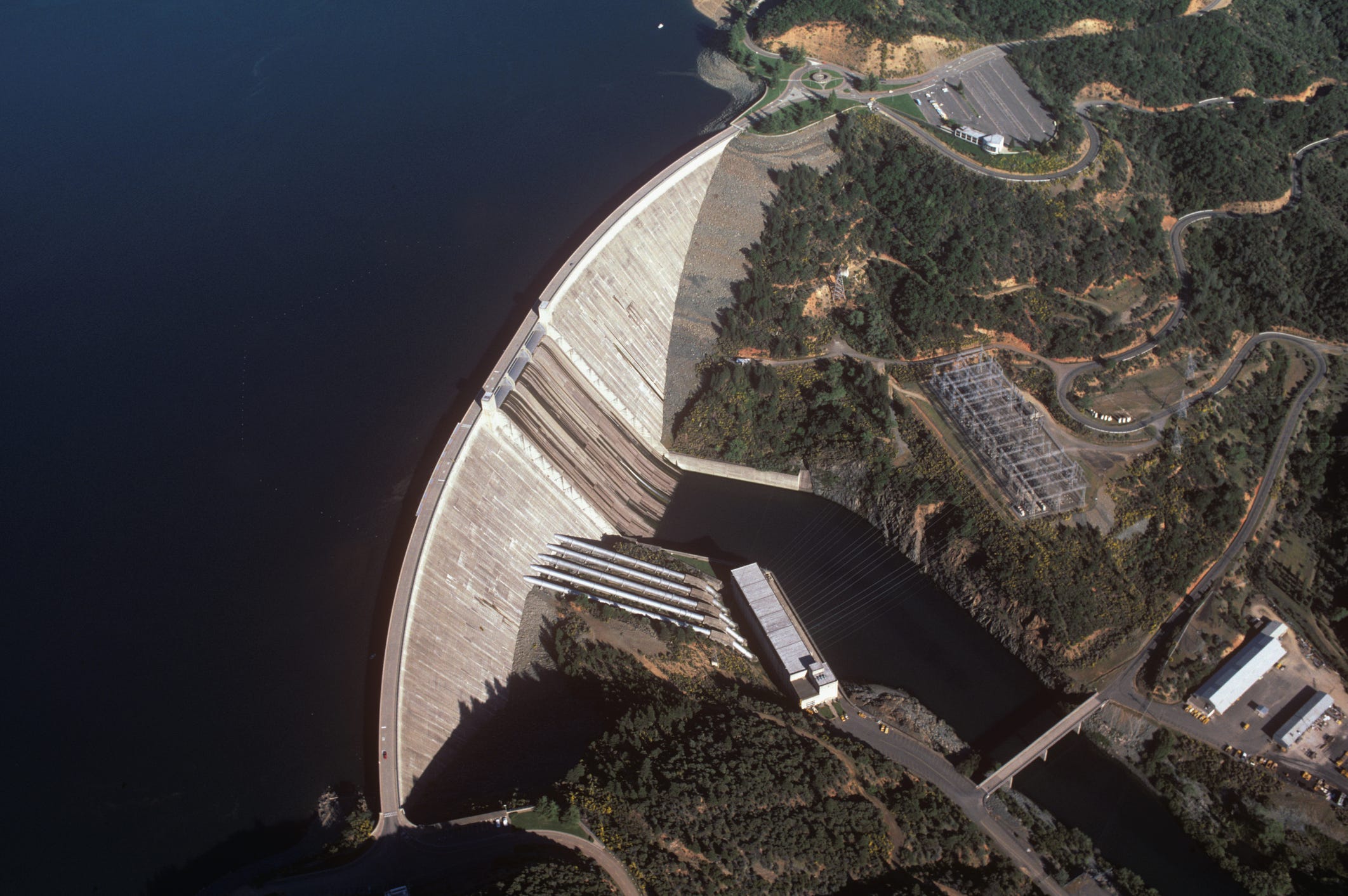
A few miles north of Clear Creek’s joint with the Sacramento now sits Shasta Dam, part of the New Deal-era construction boom undertaken in response to the Great Depression. Its construction was highly controversial with local residents, especially among Indigenous communities, who lost ancestral lands when the reservoir flooded traditional territories. When completed in 1945, it was the second-tallest concrete dam in the country. At 602 feet tall and requiring 6.5 million cubic yards of concrete, the facility remains an important power-generating and flood-control asset for California to this day.
Given its rural landscape and the nature of the people who settled there, it is perhaps unsurprising that Shasta is among the most conservative counties in California. It regularly sends Republican candidates to Congress, and it supported President Donald Trump over Vice President Kamala Harris in the 2024 election by a margin of 67–31. Shasta is so out of step with California’s progressive politics that separating from the state is a regular consideration, although the exact means by which this could occur remain elusive.
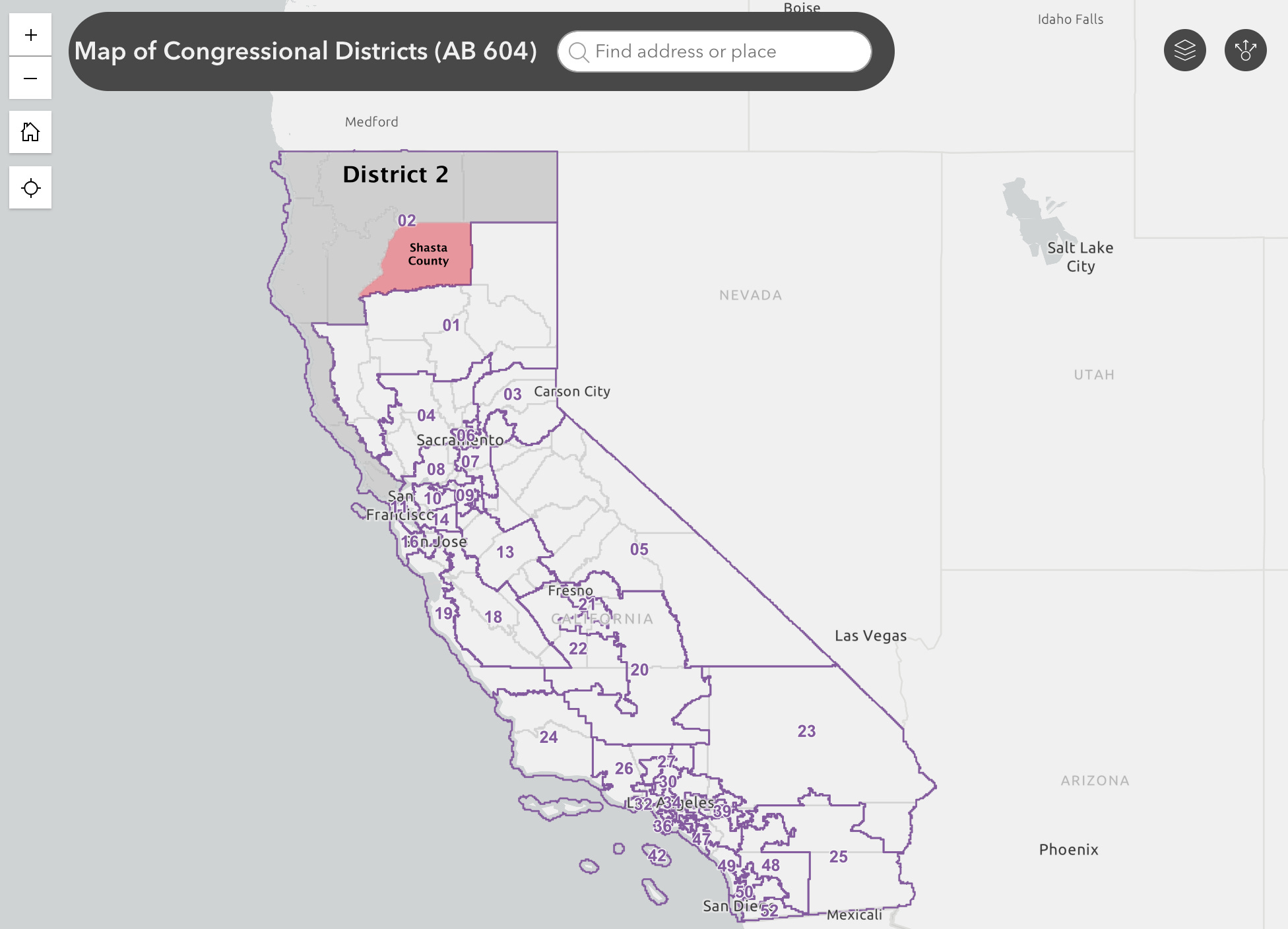
Undoubtedly adding fuel to Shasta’s separatist rebellion, California voters just approved a ballot measure that effectively removes the county’s conservative voice from the state’s congressional delegation. Proposition 50—Governor Gavin Newsom’s response to Texas’s redistricting and gerrymandering plan—virtually ensures that progressive candidates will represent the county in the US House of Representatives at least until 2030. Prop 50’s redistricting slices Shasta off from nearby conservative counties and ropes in enough coastal elites to effectively nullify the votes of local residents.
Against this backdrop of political disenfranchisement, one of the most controversial renewable energy project proposals in the US is slowly grinding toward a climax. The
...This excerpt is provided for preview purposes. Full article content is available on the original publication.