RSV season is here. Here’s what you need to know
Happy Halloween week! I’ll have a little witch and ghost running around. To all the parents out there: may the force be with you during this chaotic week.
While diseases have been quiet (and oddly, any RFK Jr. drama, but let’s not jinx it), signs point to a ramp up. RSV is on the rise, and SNAP benefits are set to expire November 1, putting millions of families at risk. You may also see headlines about monkeypox, but your risk remains extremely low. And yes, there’s plenty of good news, too.
Here’s what you need to know to stay ahead.
RSV season is here, while other respiratory viruses remain low.
After an unusually quiet October for respiratory viruses, an RSV wave is starting to take hold. Flu remains remarkably low, and Covid-19 transmission is at one of the lowest points we’ve seen in months.
Although CDC data remain paused because of the federal government shutdown, emergency department records compiled by PopHIVE show RSV activity is starting to climb, especially among children under four. This follows a familiar pattern: the virus first hits the youngest children (particularly those under one year) before spreading to adults, often about a month later.
Data pro tip: Don’t rely on wastewater yet to gauge RSV spread—infants wear diapers, so RSV trends appear much later in wastewater data.
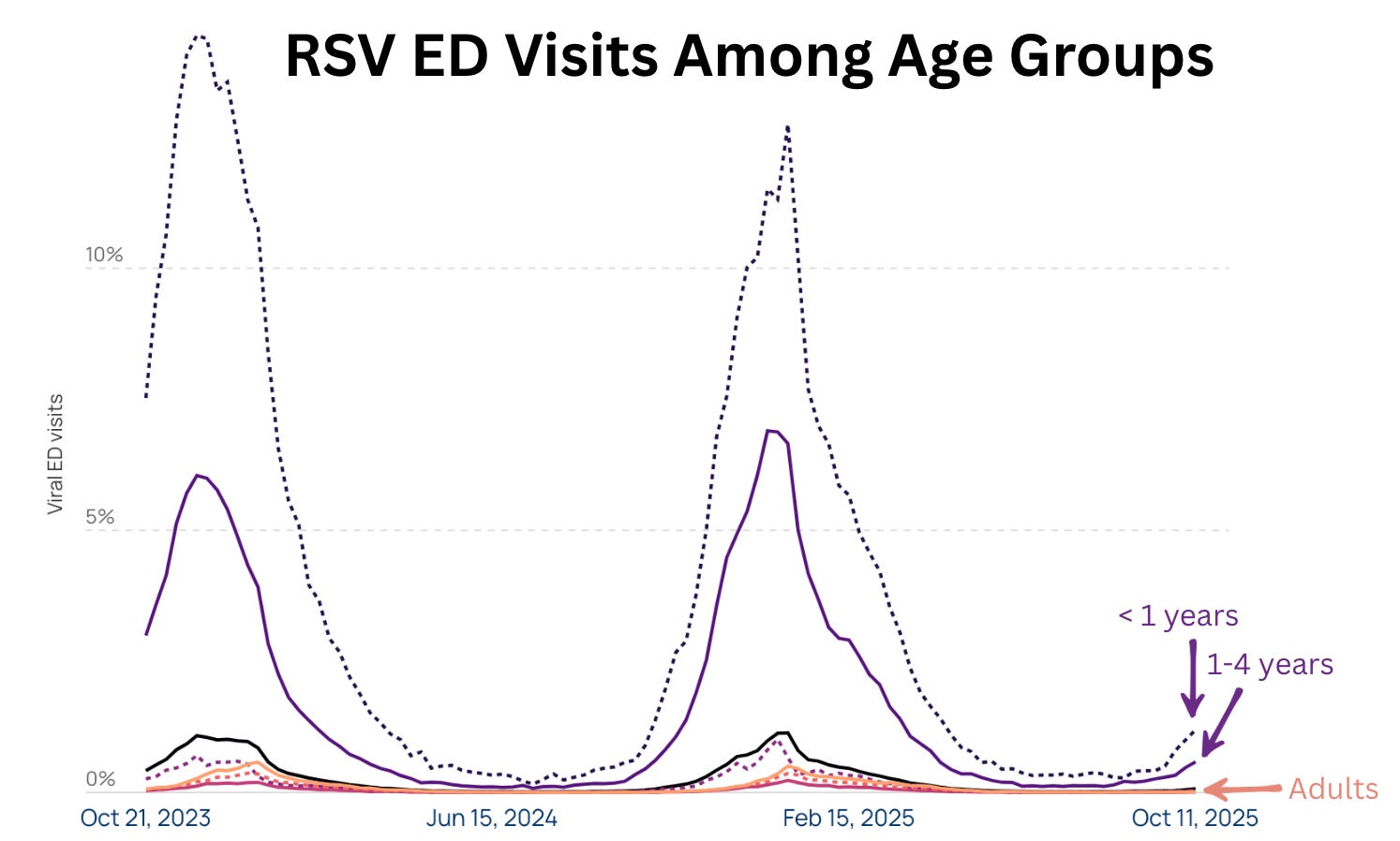
RSV places a massive burden on families and health systems every year. The youngest children are hit hardest—about five in every 1,000 kids under five are hospitalized each year, a rate much higher than for flu or Covid-19. The younger the child, the greater the risk, as tiny airways struggle to move air when inflamed.
RSV burden tends to be less severe for adults, but it can still cause serious illness for those with weakened immune systems or underlying heart or lung conditions.
Each year in the U.S., RSV is responsible for an estimated:
3.6-6.5 million outpatient visits
190,000-350,000 hospitalizations
10,000-23,000 deaths
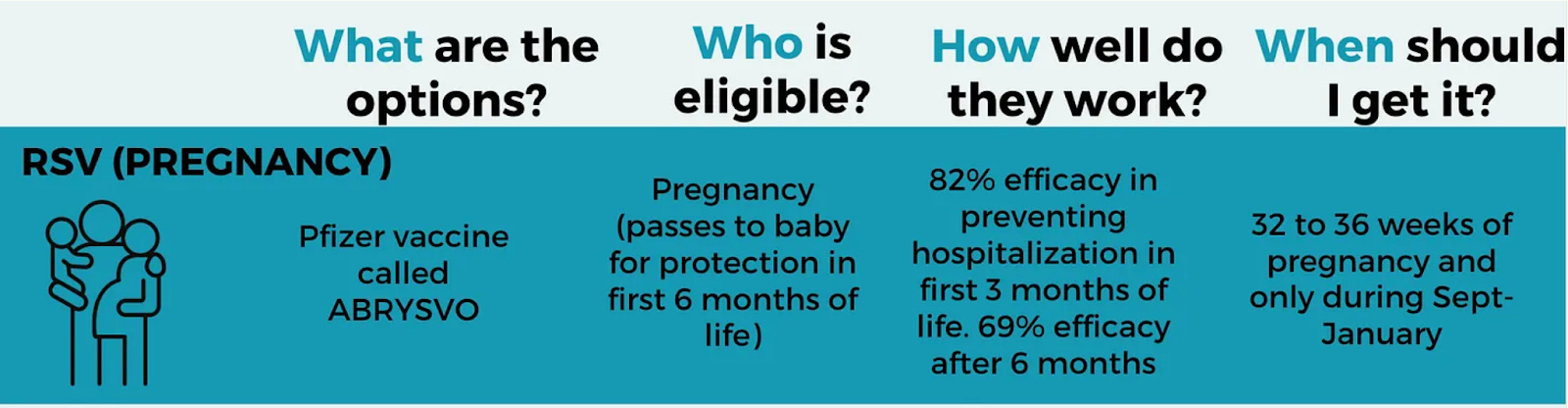
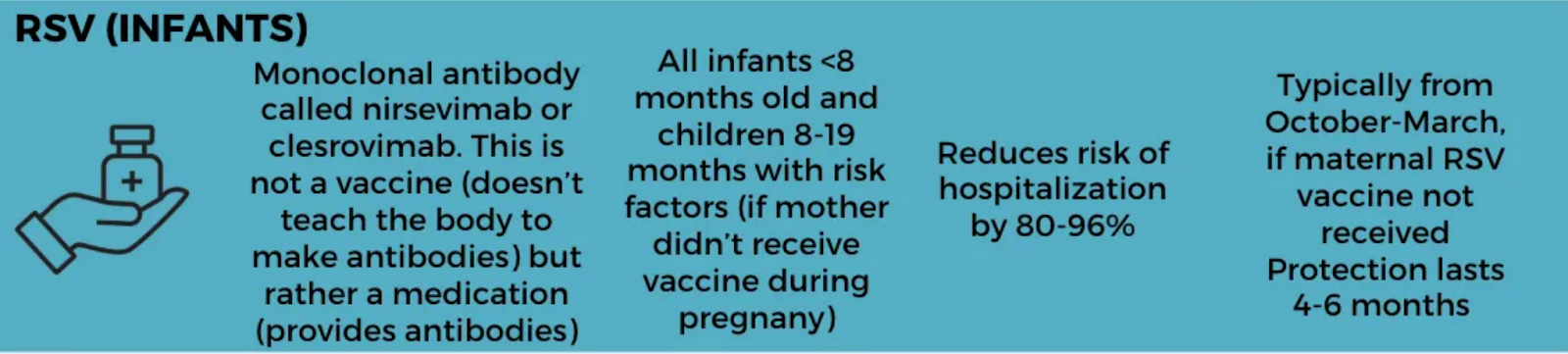
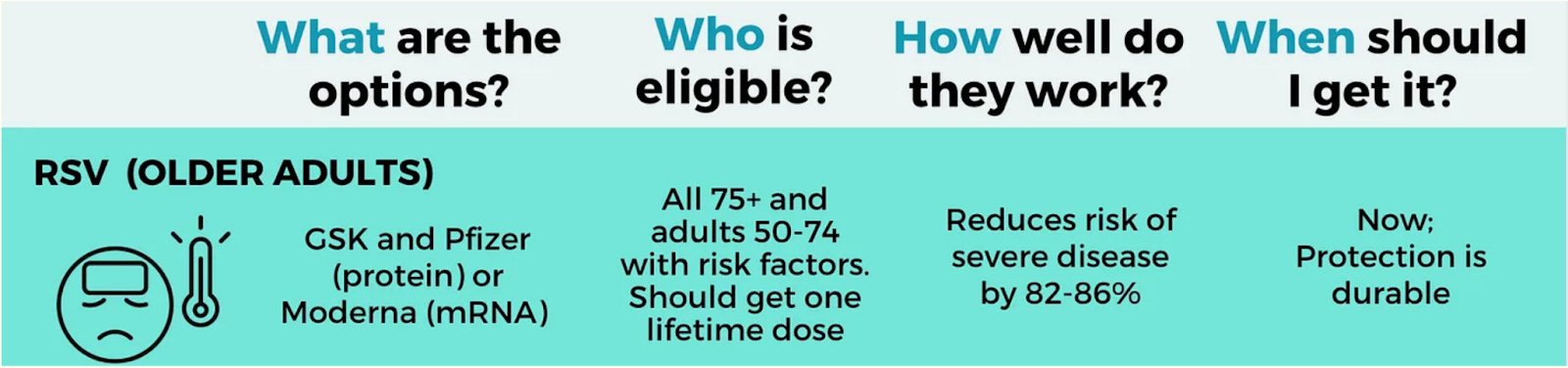
The great news: we have several effective options for protection, something scientists have been working toward since the 1960s. It’s not too late to get vaccinated. Monoclonal antibodies (for infants) work essentially immediately, and the vaccines take about two weeks to take hold.
Quick RSV FAQ:
How contagious is RSV? Each infected person spreads RSV to about three others
This excerpt is provided for preview purposes. Full article content is available on the original publication.