How China's Preparing for the Next Pandemic
Deep Dives
Explore related topics with these Wikipedia articles, rewritten for enjoyable reading:
-
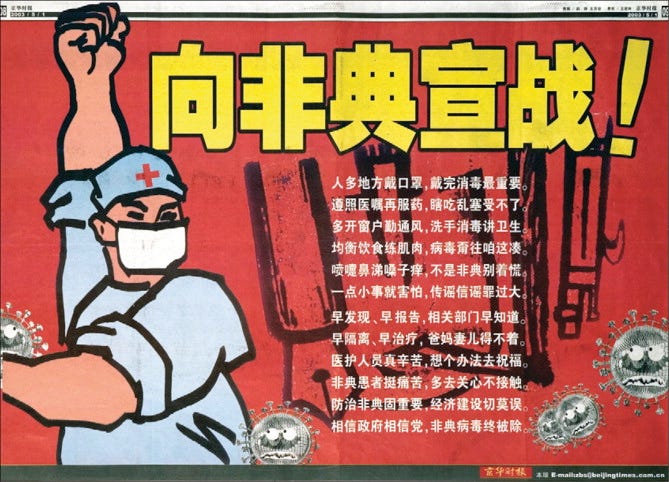
2002–2004 SARS outbreak
14 min read
The article references China's 2003 SARS response and how post-SARS neglect left China's CDC system unprepared for COVID. Understanding the original SARS outbreak provides crucial context for China's pandemic preparedness evolution.
-
Li Wenliang
16 min read
The article mentions China's history of 'punishing whistleblowers' and 'burying early signals' during COVID. Li Wenliang was the Chinese doctor who tried to warn about COVID-19 and was silenced, becoming a symbol of these failures the new laws aim to address.
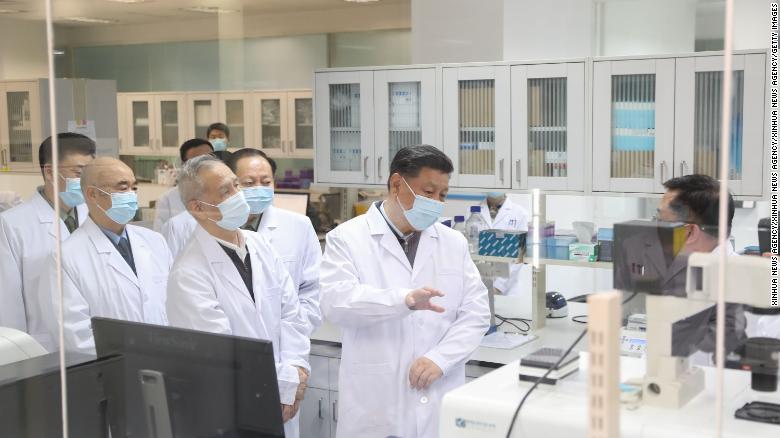
Most coverage of China’s pandemic response has focused on its handling of COVID. Far less attention has been paid to what China has done in its aftermath, during which the country has been making interesting moves to prepare for the next large-scale biological threat.
Since 2023, Beijing has revised the Infectious Disease Law (IDL) and the Biosecurity Law and launched new frameworks like the Public Health Emergency Response Law (PHERL). Their rhetoric has also been increasingly telling, with criticism of the US’s pandemic response and self-proclamations of China as a global leader in pandemic oversight.
Pandemic prevention in China has moved from emergency reaction to long-term system design.
Chinese officials appear determined to ensure the next COVID doesn’t start within their borders. That determination increasingly stands in contrast to the United States, where public health institutional capacity has lost steam since 2020, especially during Trump 2.0.
Today’s installment examines governance initiatives, but this is only one part of a much larger ecosystem. Future pieces hope to explore PPE stockpiles, vaccine production, early-warning surveillance, research and lab standards, and the AI-bio crossover.

Main Takeaways
The CCP looks to be taking pandemic risk seriously. After China’s public-health system was shown unfit for purpose when COVID hit, Beijing has now enacted some of the most actionable steps of any major country to bolster its pandemic-readiness system.
COVID exposed how costly Beijing’s old instincts were: burying early signals, punishing whistleblowers, and relying on improvised crackdowns left the center blind and politically exposed. The new reforms try to fix this by giving local officials clearer rules, reporting guidelines, and more room to act early without fear of punishment. Beijing appears willing to trade some information-control for a more rule-bound, faster-moving system, though whether officials feel empowered to speak up remains uncertain.
A more centralized domestic monitoring and command system gives China greater ability to manage potential outbreaks internally, reducing pressure to depend on international organizations. That avoids reputational costs and protects “face,” which helps explain why China can buy-in heavily to pandemic preparedness while still resisting meaningful collaboration or data sharing with groups like the WHO.
Globally, Chinese state rhetoric casts the U.S. as the
This excerpt is provided for preview purposes. Full article content is available on the original publication.