The Trump Corollary: A Q&A with Gabriel Aguirre about Venezuela
Deep Dives
Explore related topics with these Wikipedia articles, rewritten for enjoyable reading:
-
Monroe Doctrine
12 min read
The article centers on the 'Trump Corollary' as a revival of the Monroe Doctrine. Understanding the original 1823 doctrine, its historical applications, and how it shaped U.S.-Latin American relations for two centuries provides essential context for evaluating current policy claims.
-
Orinoco Belt
14 min read
The article mentions Venezuela's vast oil reserves and specifically references the Orinoco Oil Belt as the site of new discoveries under Chávez. This geological formation contains the world's largest petroleum deposits and is central to understanding why Venezuela is geopolitically significant.
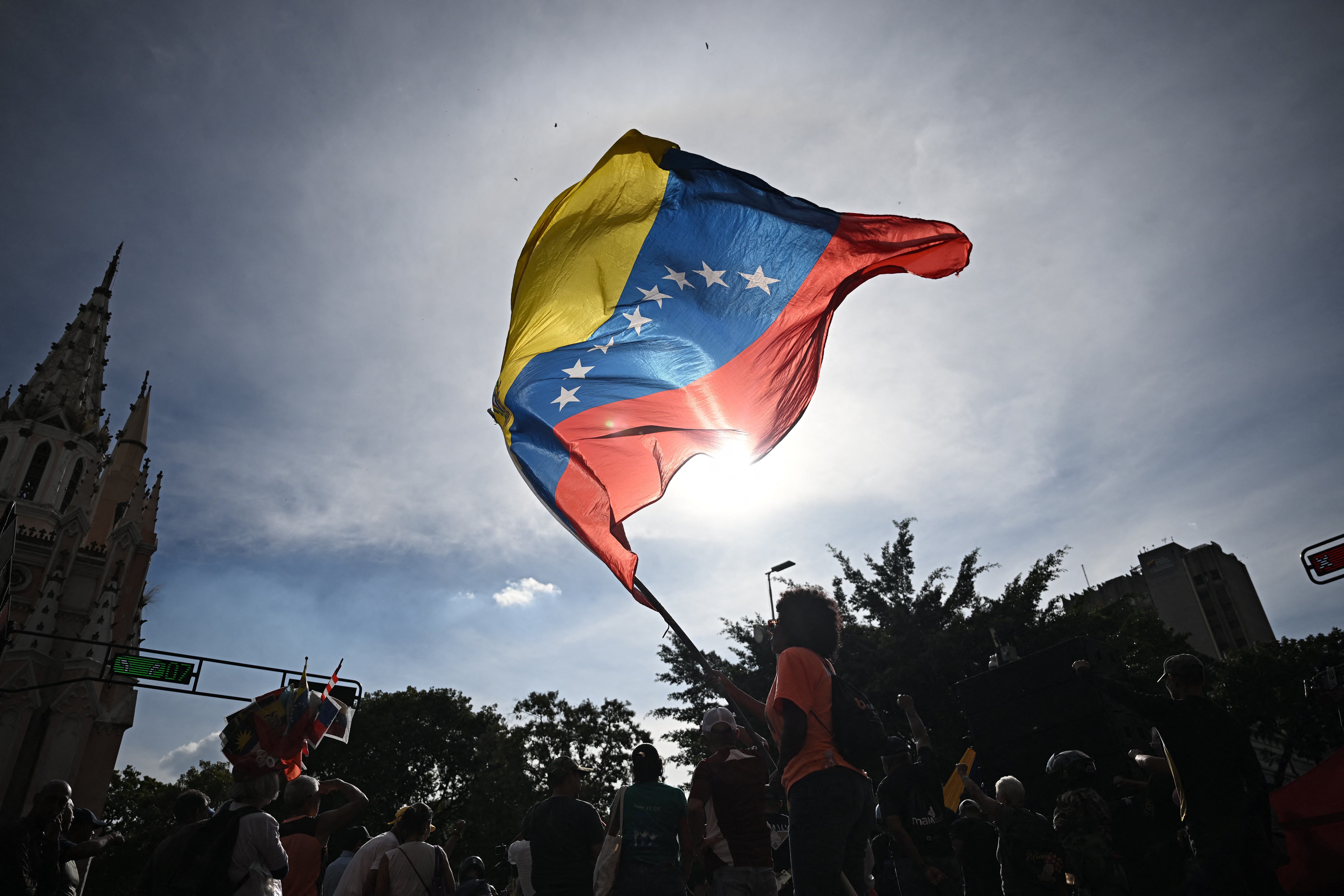
In November the Trump administration released its National Security Strategy in which it announced the “Trump Corollary,” according to which the “United States will reassert and enforce the Monroe Doctrine to restore American preeminence in the Western Hemisphere.” This is a 21st-century version of 19th-century U.S. imperialism in which, according to the strategy paper, the U.S. will “enlist and expand” countries in the Western Hemisphere to “control migration, stop drug flows, and strengthen stability and security on land and sea.”
It didn’t take long for the world to see the new strategy in effect. On January 3, the United States attacked Venezuela and abducted its president, Nicolás Maduro, and his wife, Cilia Flores, who are now both facing drug-trafficking charges in the United States. Venezuelan Gabriel Aguirre, the Latin American organizer for World beyond War, joined The Border Chronicle to answer questions about the situation, its background, and key points that people might not know about Venezuela and its relationship with the United States (including those turbulent issues of natural resources and oil). He also discusses how he thinks the situation will proceed from here and what people should do about it.

What are some important points about Venezuela and the background to this attack that people in the United States might not know?
I must begin by mentioning that Venezuela is a small country located on the South American continent, with a population of 30 million and unimaginable natural wealth. It has the world’s largest oil reserves, at 300 billion barrels; the seventh-largest gas reserves; the largest gold reserves in Latin America; and abundant mineral resources, water sources, and great biodiversity.
The country’s location gives it geostrategic importance as the gateway to South America. Its economic development has always been closely tied to its dependence on the U.S. economy, a dependence that intensified with the discovery of vast oil reserves. For many years, most U.S. companies had access to Venezuelan oil, which translated into enormous wealth for these corporations, but not for the economic development of Venezuela, and even less so for its people.
In 1976 the Venezuelan state decided to nationalize oil exploration, production, and commercialization. This law, enacted during the government of Carlos Andrés Pérez, still allowed for the participation of
...This excerpt is provided for preview purposes. Full article content is available on the original publication.