Iran’s Currency Crisis Sparks Protests
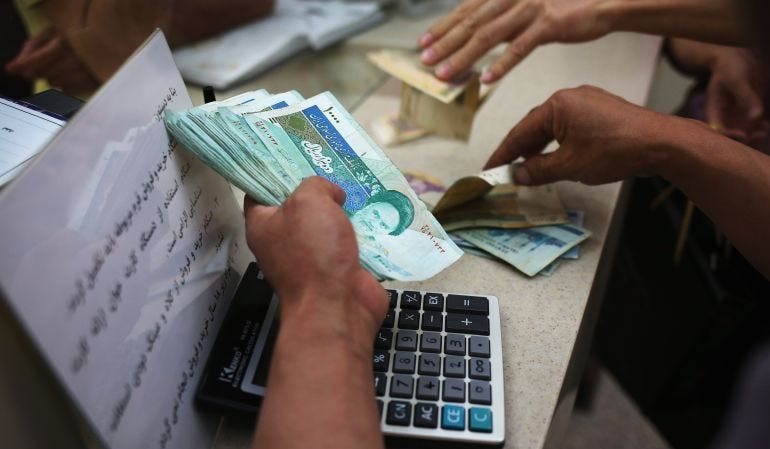
In early January, several currency trackers briefly displayed the Iranian rial’s value as “$0.00,” unable to process the speed and scale of the depreciation, making it unexchangeable on important international trading platforms. The fallout quickly translated into a protest in Teheran’s bazaar district and eventually led to a mass unrest.
Unlike the 2019 fuel price protests or 2022 women-led demonstrations, this wave was initiated by Iran’s commercial class and is being seen as a “battle for survival.” Their dissent over the worsening economic conditions drew in other groups around the country, producing widespread instability despite little coordination. Even conservative Iranian government estimates acknowledge more than 3,000 deaths, with other sources placing the toll as high as 30,000. On January 23, 2026, the UN Human Rights Council issued an “urgent investigation” to look into the “brutal crackdown” on protests, which have been “described by UN officials as the deadliest since the 1979 revolution,” according to the Geneva Solutions. The U.S. also announced new sanctions in response to the violent measures and has threatened a military attack, which has led to “worry” in the region. “Hopefully Iran will quickly ‘Come to the Table’ and negotiate a fair and equitable deal—NO NUCLEAR WEAPONS—one that is good for all parties,” President Donald Trump said on the Truth Social platform on January 28. “Time is running out, it is truly of the essence!”
Looming over Iran’s unrest is the question of foreign involvement. Western states and their regional partners have long sought to limit Iran’s influence abroad, and exacerbating its internal turmoil creates an opportunity to apply additional pressure. Yet visible interference, whether through a military strike or admission of operatives on the ground, risks validating Tehran’s claims of outside influence, intensifying repression and provoking wider regional instability.
Economic Breakdown
Iran’s economic foundation, weakened by chronic mismanagement and decades of Western sanctions, suffered particularly severe strain in 2025. Beginning in February, energy shortages disrupted daily life and sharply reduced industrial output, compounded by Israeli targeting of Iranian energy infrastructure during the 12-day war in June 2025. Extreme drought created “water bankruptcy,” raising fears Tehran could run out of water. Additionally, France, Germany, and the United Kingdom activated the “trigger mechanism” under the Joint Comprehensive Plan of Action in September of last year, resulting in
...This excerpt is provided for preview purposes. Full article content is available on the original publication.