Harry Potter in 2026
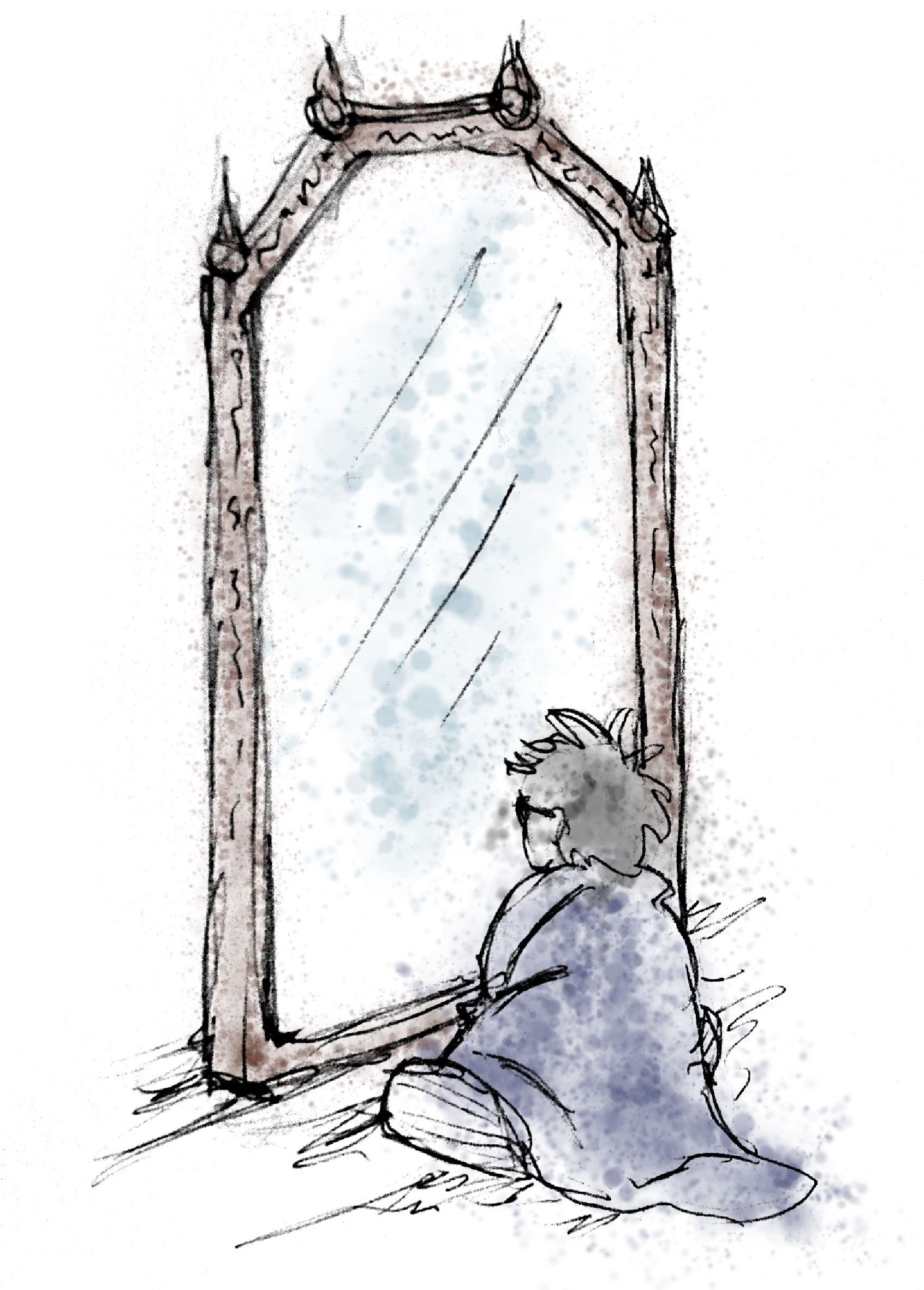
Near the end of January 2026, journalist Louise Perry published an op-ed in The New York Times with the provocative title “The Harry Potter Generation Needs to Grow Up.” Perry begins by recounting how the Harry Potter books entranced her and her contemporaries as they came of age. She then goes on to outline the ways in which JK Rowling has since grown more controversial.
Then, Perry arrives at her real point: Speaking of the generational differences and explaining why Millennials like the books so much more than members of Generation Z, she writes,
That’s why millennials like Harry Potter a whole lot more than younger generations do. The story captures a worldview that is no longer attractive to young people jaded by the experiences of economic decline, political polarization and spiraling identity politics. They have fallen out of love with Harry Potter because they have fallen out of love with the worldview the series represents, which is to say that young people have fallen out of love with liberalism.
Perry argues that children born within the last twenty years are possessed of a weary brand of cultural cynicism. Worn out from the ramifications of the 2008 financial crisis, the election and re-election of Donald Trump, and the coarsening of political discourse, they no longer recognize nor appreciate the virtues of liberalism generally, and of liberal democracy specifically. As she finishes her essay, she concludes that, when young readers thirty years ago imagined that liberal values were everywhere ascendant, they were demonstrating a dangerous form of naivete. Reflecting her hypothesis as the essay ends, she writes,
I now wonder if the Harry Potter books themselves functioned as something like a Mirror of Erised (which shows its viewers what they most desire) for my generation. They reflected an image of the world that we so wanted to be real: a world that was ancient and magical, where even children had the ability to identify and vanquish evil. It was beautiful in its moral simplicity. It was also too good to be true.
I read this essay with a cauldron bubbling full of mixed feelings and reactions. On the one hand, I admit a certain possessive defensiveness here. Yes, I have visited a Harry Potter-themed store. Yes, my three sons and I each have a house-specific Hogwarts mug. Yes, we have seen the movies too many times to count.
...This excerpt is provided for preview purposes. Full article content is available on the original publication.