That Pesky Meter Idea is Odd Enough...
Deep Dives
Explore related topics with these Wikipedia articles, rewritten for enjoyable reading:
-
The Death of the Author
13 min read
Roland Barthes' seminal essay directly addresses the tension discussed in this article: who has authority over a text's meaning - the author or the reader/editor? The article grapples with questions of authorial intention versus collaborative interpretation.
-
The New Yorker
14 min read
George Saunders (the 'George' addressed) is closely associated with The New Yorker's legendary editing tradition. The article discusses the writer-editor relationship, and The New Yorker's editorial process is the gold standard that shaped modern literary editing practices.
-
Gestalt psychology
13 min read
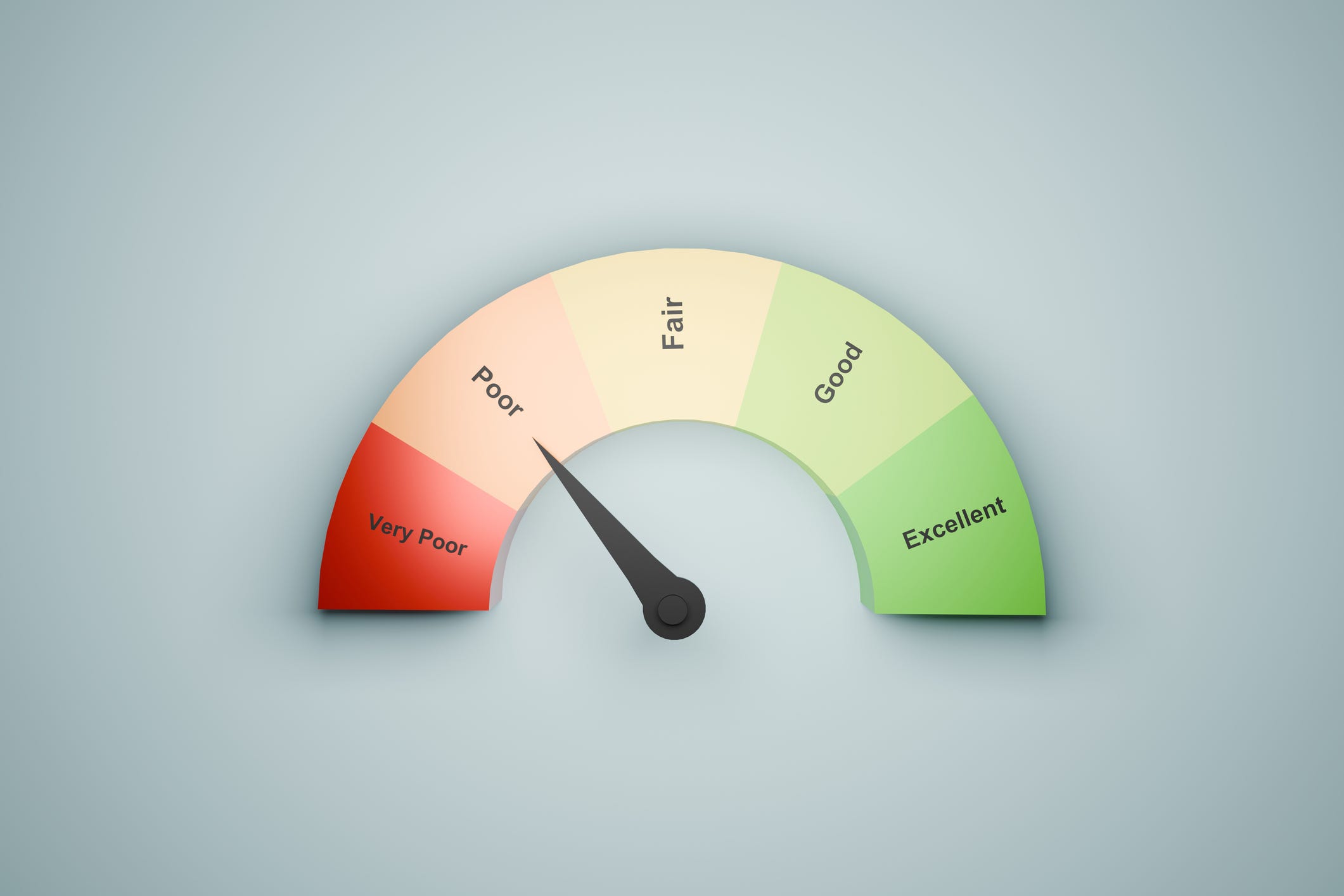
The 'P/N meter' concept discussed throughout the article - an internal sense of whether something feels right or wrong - relates to Gestalt psychology's principles of perception and how we holistically evaluate wholes rather than parts. Understanding this framework illuminates why creative judgments feel so visceral yet hard to articulate.

Dear George,
Thanks for all you do here at Story Club. Your outlook on writing and life is such a gift to all of us. Plus you’ve created such a lovely and supportive community.
Your concepts of the P/N meter and radical preference have helped me stay much more present while writing, and in turn, make the whole process more joyful. I’ve been evangelizing them all over the place, including to people I collaborate with (co-writers, editors, mentors, etc). Which led to an interesting impasse:
If everything is subjective, what happens when people disagree? If everyone’s preference is equally valid, who wins?
There are definitely times when I feel like I’m seeing the thing more clearly, that I have a higher perceptual resolution if you will, and in those situations, I can try to make my case. But other times, it really is just a matter of opinion. And somehow, those disagreements end up being the most impassioned. Is stubbornness a good measure of artistic vision? Because the most obstinate person usually ends up winning those.
Add to that the different relationship dynamics like collaborating writers, writer–editor, writer–powerful movie producer dangling lots of money in front of you, and it’s easy to lose track of the P/N meter’s guiding light. Curious how you approach conflict when your only argument is “I like it that way.”
Sincerely,
Anonymous Writer Who Wants To Be Respectful Without Getting Bowled Over
A.
Ah, thank you, Anonymous, for this great (and, I am finding, strangely difficult) question.
Let me start by proposing a slight modification to something you’ve said. Might we modify “everything is subjective” to “everything is personal?”
We’re not making a claim, when we write a sentence, that it is more “valid” than some other version (there is no ultimate arbiter). We’re just saying: “I’m choosing to say this, and in this particular way: I prefer it.” (Or: “I prefer it as of right now.”)
So, yes, it is (always) a matter of opinion but since the work is going to have
...This excerpt is provided for preview purposes. Full article content is available on the original publication.