Spotify's doppelgänger problem
Deep Dives
Explore related topics with these Wikipedia articles, rewritten for enjoyable reading:
-
Muzak
9 min read
Linked in the article (10 min read)
-
Controversy over fake artists on Spotify
14 min read
The article extensively discusses Spotify's 'perfect fit content' strategy as a core concept, explaining how the platform fills playlists with inexpensive stock music alternatives. Understanding the economics and mechanics of PFC is central to grasping the doppelgänger problem described.
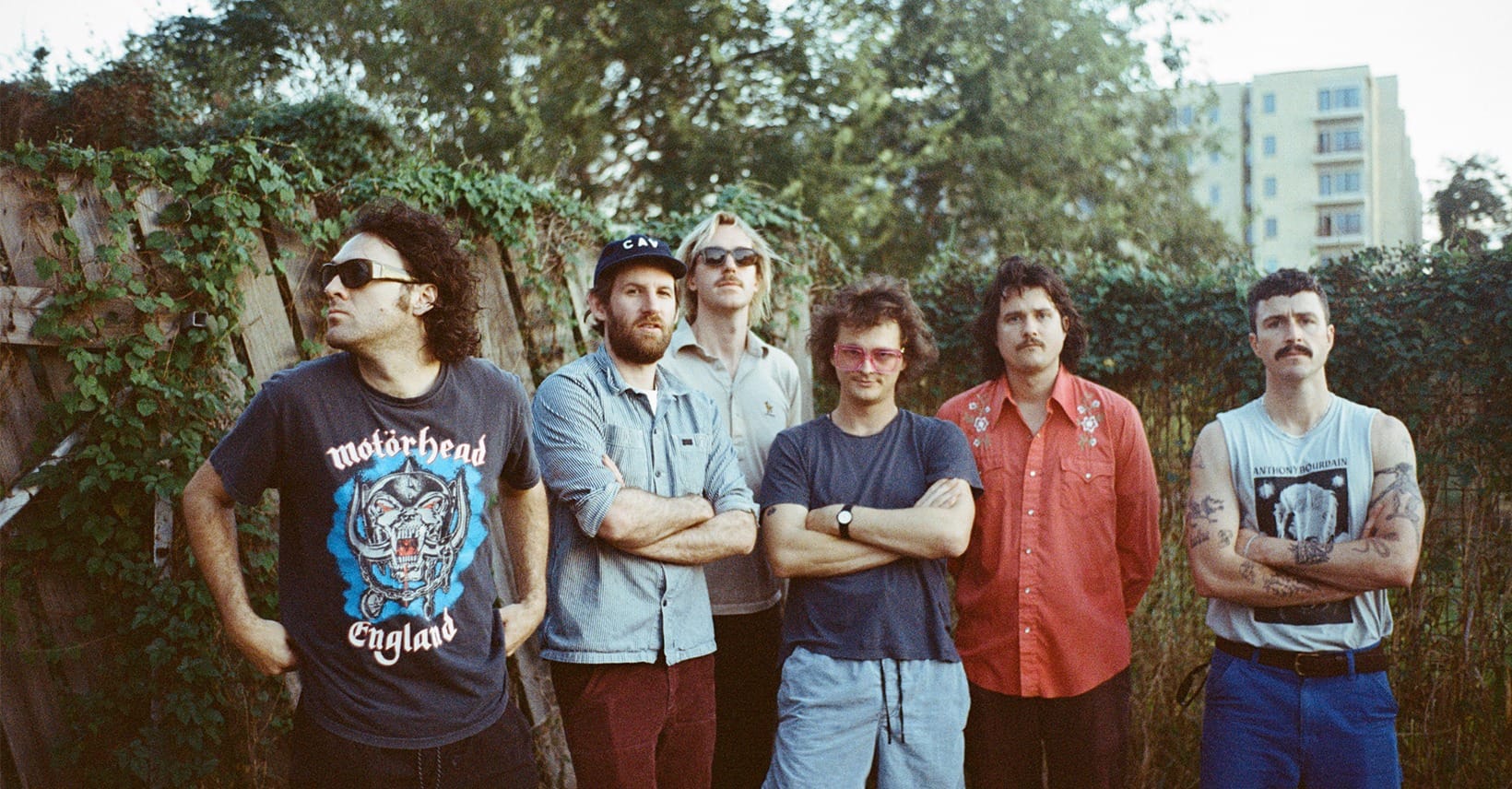
You can check out of Spotify any time you like. Whether you can leave, though, is another question.
In July, Australian psychedelic rock band King Gizzard and the Lizard Wizard pulled their music from the streaming platform. The group left in protest of Spotify CEO Daniel Ek leading a €600 million investment in Helsing, a German company that makes military drones and AI tools for weapons systems.
“We just removed our music from the platform,” the company wrote in an Instagram post. “Can we put pressure on these Dr. Evil tech bros to do better? Join us on another platform.”
Over the next several days, most of the band’s catalog disappeared from the site. Visit the band’s artist page on Spotify today and you’ll find a single song — a remix the band did for another artist.
But for some of the band’s other tracks, a strange thing happened. Browsing playlists of King Gizzard’s songs, some fans noticed that several tracks were still available — sort of. Cue up “Deadstick,” a song off the band’s 2025 record Phantom Island, and what you hear is a kind of ringtone version of the original.
“Spotify presented this as being the real thing: i.e. same artist name, same song name, same video artwork,” Gizzard fan Scott Harvey told me. “And the music is similar. If I didn't know the song already, I may not have known this wasn't the original.”
“Deadstick” was not the only track to have been swapped out for its Muzak equivalent. The record’s title track, “Aerodynamic,” and “Grow Wings and Fly” were all also replaced by instrumentals. Until I asked, they remained playable on Phantom Island album page on Spotify, and collectively had more than 10 million streams.
I shared what I found with the band's manager, and will update this piece with a comment from the band should they offer one.
Who is behind the doppelgänger tracks? Harvey noticed something strange when he tapped on “view album” while listening to “Deadstick.” It took him to a new album page where the artist name had been replaced with the likely creator of the instrumental track: an entity known as “Jayilor.”
Who or what is Jayilor? A web search turns up only playlists on which its music features. And what kind of music does it make? Instrumental, Muzak-style covers of popular songs. One of ...
This excerpt is provided for preview purposes. Full article content is available on the original publication.