“Corporate power” doesn’t mean anything
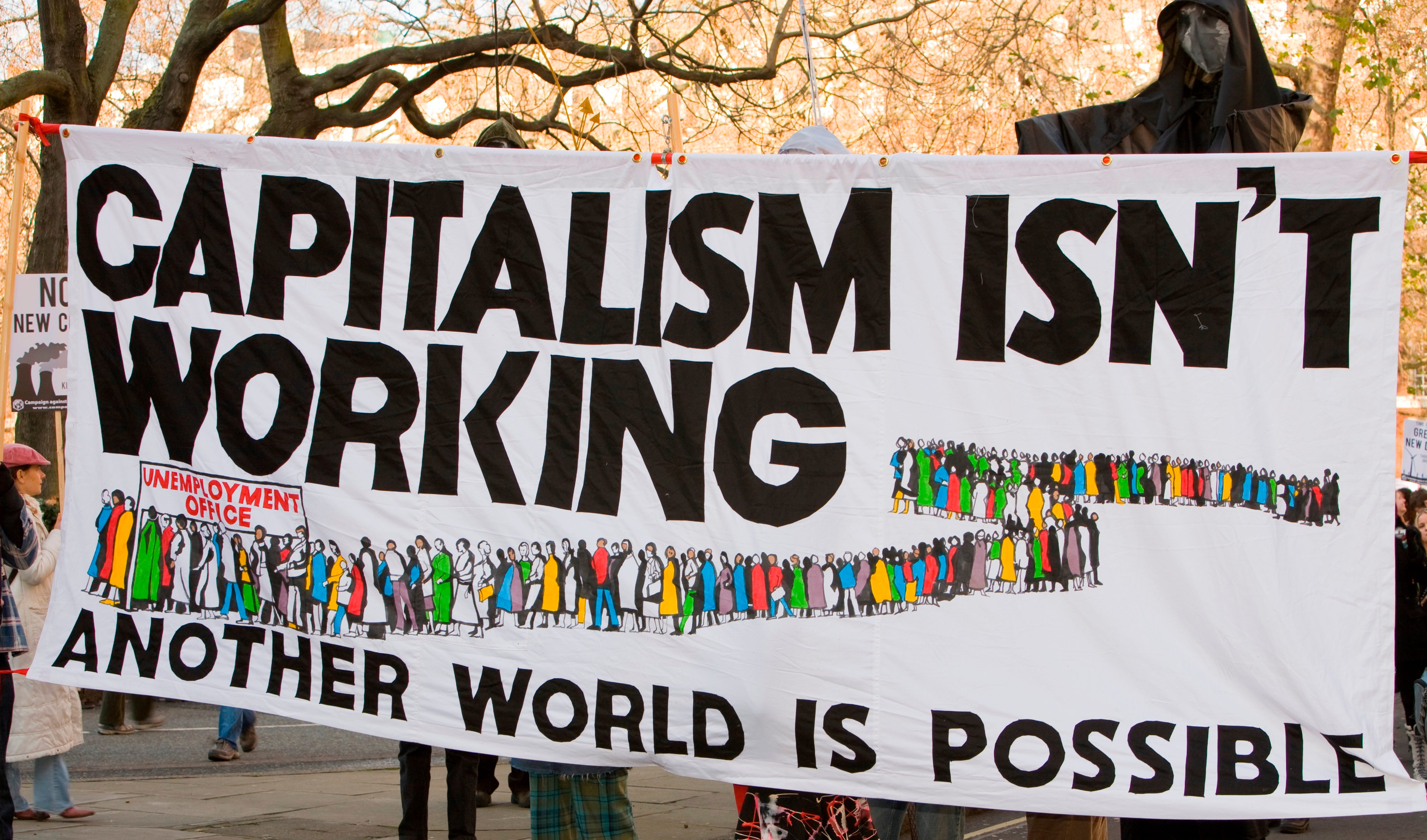
When trying to mobilize support for political action, people typically use language and slogans that are a bit vague.
If you say you want to achieve “racial justice,” for example, that raises the question of what specifically you mean. And even terminology that’s less ideologically freighted carries these definitional questions. If a member of the city council says she’s fighting for safer streets, that’s not exactly confusing. But people can and do disagree about exactly how to measure that: Should the city council use a broad index of reported crimes? Or focus on something better-measured, like homicides? But if murder declines in part because of better emergency medicine rather than fewer people getting shot, is that really what the council member meant by safer? A lot of people are interested in disorder broadly, but it’s hard to measure it or to distinguish between objective aspects of public order and potentially mediagenic phenomena where things seem safer or less safe.
It’s important to keep these measurement issues in mind, but a political project isn’t doomed just because there are questions about how to measure success.
People who are really serious about combating economic inequality ought to be aware that there are a bunch of things this might mean and also disagreements about the measures. But it’s not necessary for every single discussion about inequality to be deeply invested in the technical issues, and people can speak and write at varying levels of generality.
I do want to suggest, though, that when people say they want a political movement focused on fighting corporate power, they are dealing with fatal problems of precision and measurement.
What am I talking about? Well, some examples:
Anita Jain is the editorial director of the Open Markets Institute, which, according to her, is “a think tank that seeks to regulate Big Tech monopolies and curb corporate power.”
Katie Curran O’Malley ran a failed primary for Maryland attorney general in 2022, during which time she told the Washington Monthly, “we’re living in an era of extraordinary corporate power,” a line they liked enough to make the headline of their interview with her.
An October 2025 article co-produced by the Revolving Door Project and the American Prospect criticized the Trump administration’s Department of Health and Human Services with the line, “though
This excerpt is provided for preview purposes. Full article content is available on the original publication.