The Space Roundup - Nov 28th, 2021
Hello, hello, my dear space lovers!
Are you ready for yet another week of space awesomeness?

Quick note: if you haven’t subscribed yet, don’t miss an issue by subscribing below to receive your weekly dose of space awesomeness:
Ah! And if you want to sponsor this newsletter, drop me an email.
3, 2, 1, zero! Lift-off!
Sunny Sunday
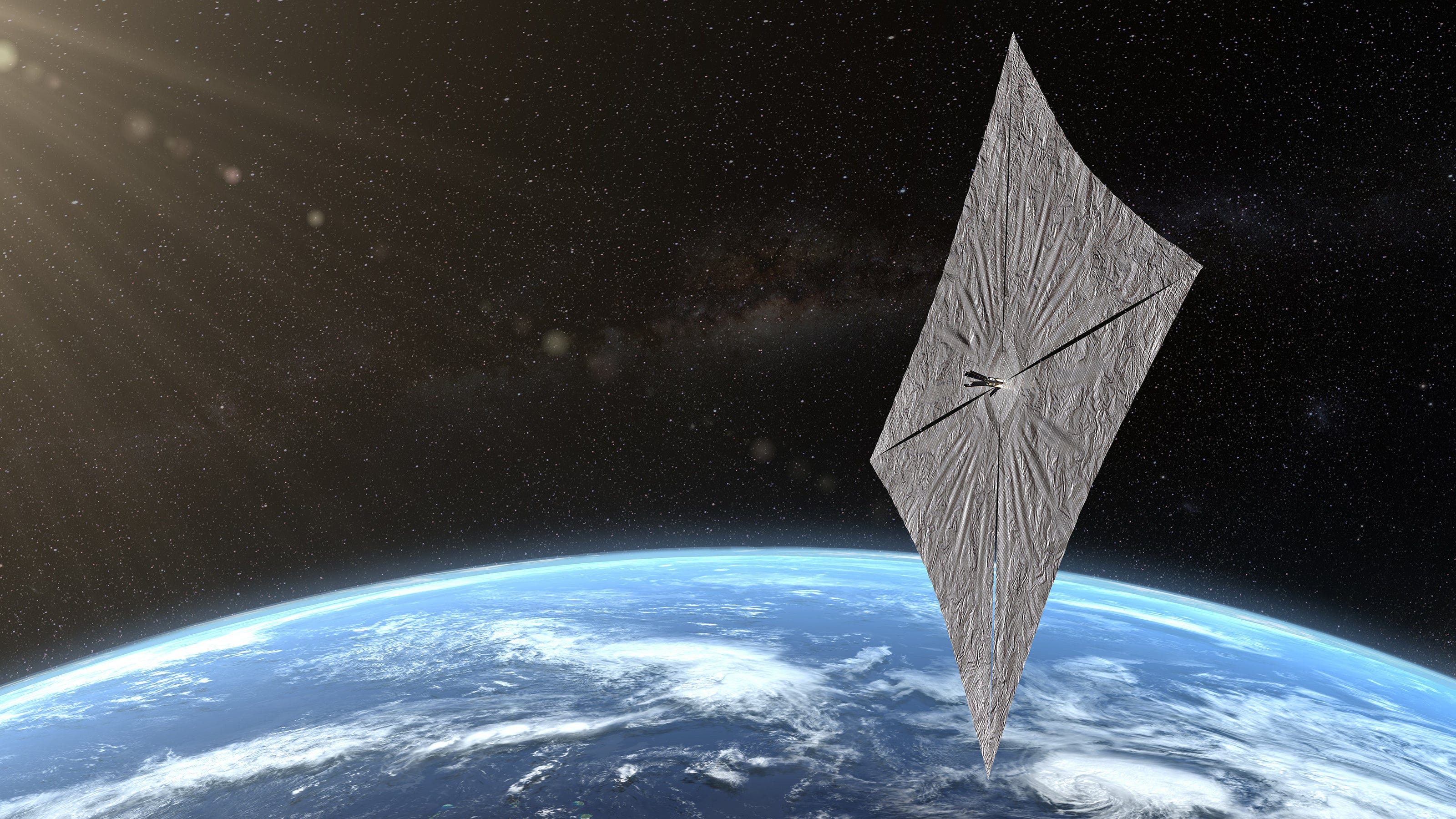
This week marked 30 months that the successful solar sail experiment has been in orbit. This small satellite equipped with a thin solar sail was crowdfunded by the community and is constantly sharing data with NASA and other organizations to further advances in this great technology that can save sats from having to bring fuel with them to keep their trajectories. Very very cool
Talking about solar stuff, the fastest probe ever built, the Parker Solar Probe, just got faster! It’s broken its own speed record and now travels at around 586,000 km/h (364,621 mph) towards the sun…amazing.
Martian updates
NASA InSight lander has been capable of imaging the first hundred meters of Mars, revealing that the lander is likely above two large lava flows, separated by layers of sediment.
Ingenuity, the martian helicopter, flew again two weeks after the previous flight. This time it flew for about 100 seconds to travel 116 meters towards the Wright Brothers Field, where it took off for the first time. This was its 16th flight! Do you remember they didn’t know it was going to fly even once? Well… not even close! 🙂
Planetary defense
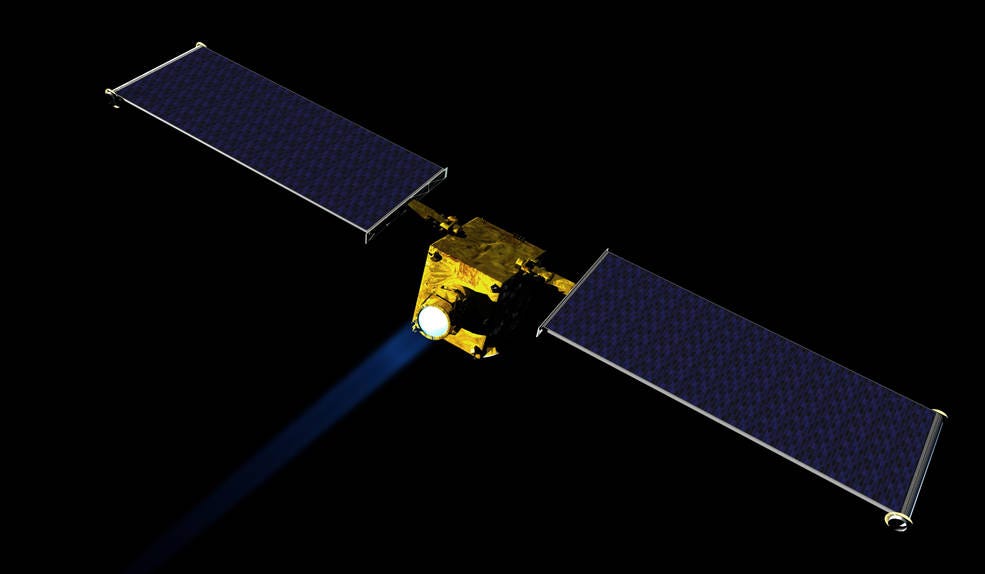
SpaceX launched its first successful interplanetary mission this week, and it was NASA’s first planetary defense mission. The DART mission will collide with an asteroid to learn how capable we are to change the trajectory of a threatening asteroid in case they approach our planet. “IT WAS ABOUT TIME!” - declared a dinosaur last Thursday :D
More exoplanets!
A group of scientists has been testing a new algorithm that uses data from the Kepler telescope to identify exoplanets and they have successfully identified more than 350 new exoplanets and 17 new multi-planet systems…just wow!
Amazing science :O
Creating something from nothing? Sounds like witchery to me, but that is what a group of scientists has experimented with while studying black holes. I refuse to try to summarize it
...This excerpt is provided for preview purposes. Full article content is available on the original publication.