The Battle of Pokrovsk, China's Plan for Long-Term Confrontation and China Cranky at Japan: The Big Five, 16 November edition
Deep Dives
Explore related topics with these Wikipedia articles, rewritten for enjoyable reading:
-
Pokrovsk offensive
10 min read
The article's primary focus is the ongoing Battle of Pokrovsk, discussing tactical details of the Russian double envelopment and Ukrainian defensive decisions. Wikipedia's comprehensive coverage of this specific battle would provide readers with broader context on the timeline, forces involved, and strategic significance.
-
Pincer movement
1 min read
The article describes Russia's 'double envelopment' of Pokrovsk as nearing completion. Understanding this classic military tactic (also known as pincer movement), its historical uses from Cannae to modern warfare, would help readers appreciate the tactical situation Ukrainian forces face.
-
Novorossiysk
12 min read
The article mentions Ukraine's strike on Novorossiysk oil terminal, claiming it took offline up to 2% of global oil available for trade. Understanding Novorossiysk as Russia's largest Black Sea port and its critical role in Russian oil exports would contextualize why this strike is strategically significant.
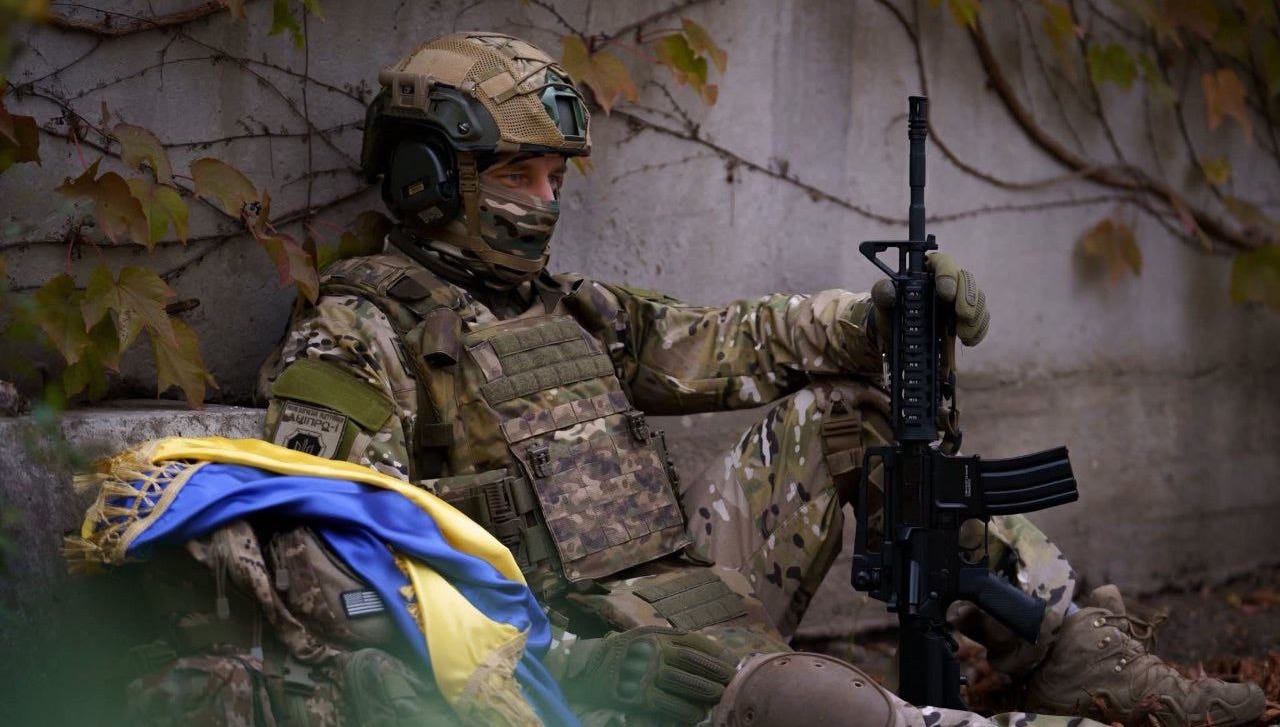
Drones away pilots, not the other way around…stop running, time to fly! Robert MAGYAR Brovdi, 31 October 2025.
It has been another big week for news on modern war.
The Ukrainians, while focused on the defence of Pokrovsk and pounding Russia in their strike campaign, are also enduring another government corruption scandal as well as nightly aerial assaults by the Russians.
In the Pacific, China outlined its long-term plan for military and economic confrontation with the West while pushing back on the recent comments by the new Japanese Prime Minister about the security of Taiwan and Japan.
Welcome to my weekly update on modern war and strategic competition!
Ukraine
The Battle of Pokrovsk. The Russian double envelopment of Pokrovsk is nearing completion. At present, the single potential withdrawal route from the area currently occupied by Ukrainian defenders is only about 2-3 kilometres wide. This does not include several kilometres of ‘grey zone’ at the leading edges of the southern and northern axes of the Russian double envelopment.
The Ukrainian president, in statements this week, acknowledged the difficult circumstances facing Ukrainian defenders (that is an understatement if ever I heard one), but has deferred any decision on staying or withdrawing to the Ukrainian commander-in-chief. Zelenskyy was quoted as follows:
No one is forcing them to die for the sake of ruins. I will support our soldiers, especially the commanders who are there, in how they can control the situation, or if it’s too expensive for us. The most important thing for us is our soldiers.
Zelenskyy’s comments, and the situation in Pokrovsk, highlight again Ukraine’s central strategic dilemma on the ground. Do they try to hold as much ground as possible, in the recognition that it might result in higher Ukrainian casualties. Or, do they focus on force preservation while using the terrain to inflict maximum casualties on the Russians.
But, in the Battle of Pokrovsk, the Ukrainian commander-in-chief has chosen to do a bit of both. As his most recent Telegram post describes:
...Yesterday, I held a working meeting with the commanders of the units engaged in combat operations in the Pokrovske and Ochertynske directions, specifically directly in the area of the Pokrovsko-Myrnohrad agglomeration. I heard reports on the operational situation in the areas of responsibility. The enemy does not cease attempts to break into residential areas, apartment buildings, and establish themselves there to
This excerpt is provided for preview purposes. Full article content is available on the original publication.