The Art and Craft of Feminism
Deep Dives
Explore related topics with these Wikipedia articles, rewritten for enjoyable reading:
-
Arts and Crafts movement
12 min read
The article's central tension between 'art' and 'craft' has deep historical roots in this 19th-century movement that challenged industrial mass production and sought to elevate handmade crafts to fine art status, directly relevant to the author's arrest for selling stained glass
-
Tapa cloth
15 min read
The author specifically mentions learning about Tapa in Samoa as an example of traditional women's ceremonial art; the Wikipedia article provides rich cultural context about this Pacific Island tradition spanning thousands of years
I have been arrested once in my life, for selling the wrong kind of art on the street. I had a date that night, and I was able to convince the precinct to let me go a little early so I could make it to dinner, but not before procuring my first (and hopefully last) splotchy-faced mug shot. Selling art on the street without a license is not illegal. However, the officer who arrested me determined that the particular art form I was selling (stained glass) was a craft, rather than art, and therefore was not protected under the first amendment.
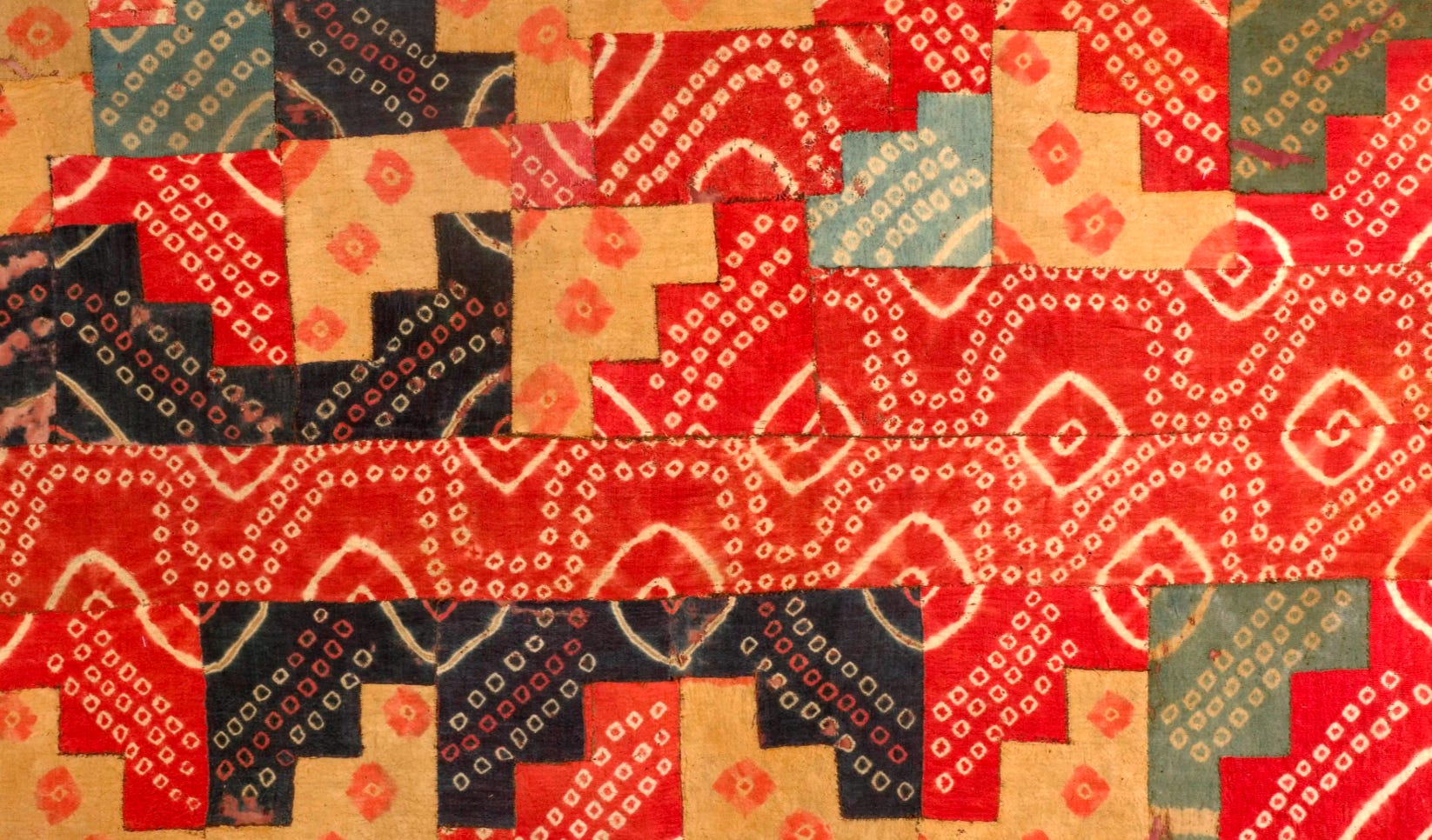
What is craft, and how does it differ from art? This question, to me, strikes at the deeper issue of whose voice is deemed worthy of being heard, and I would define craft as art deemed “women’s work” that the consumer economy has chosen to devalue. In every society, women have gathered in groups to produce practical art forms in community. When I visited Samoa last winter, I learned about Tapa, a traditional form of ceremonial cloth stamped and painted by women to carry sacred meaning. Closer to home, my family for generations has gathered together at bridal and baby showers to tie quilts in community. We take turns leading “Sun Valley crafts” on family reunions, and gather for the highly anticipated annual “Christmas craftapalooza” and wreath making night. No holiday, and no family member over about two years old, is safe from crafting. Crafting is about creativity and beauty—in other words, art—but it is also fundamentally about community, relationship-building, and love. All of which makes it, to me, profoundly feminist.
Last week, the New York Times published a podcast discussion initially titled “Did Women Ruin the Workplace?” later rebranded “Did Liberal Feminism Ruin the Workplace?” The original title made for some fun memes, and drove some of my friends to cancel their subscriptions to the Times. In it, columnist Ross Douthat interviews socially conservative thinkers Helen Andrews and Leah Libresco Sargent on their critiques of liberal feminism as relates to how the workplace functions in the U.S. Libresco Sargent argues that the modern workplace has failed women by looking down on dependence in a species that is fundamentally interdependent, particularly during phases of women’s lives such as pregnancy and child rearing. In other words, the workplace has not risen to meet the inherent biological needs of women.
Andrews,
...This excerpt is provided for preview purposes. Full article content is available on the original publication.