Films About India That Inspire Hope
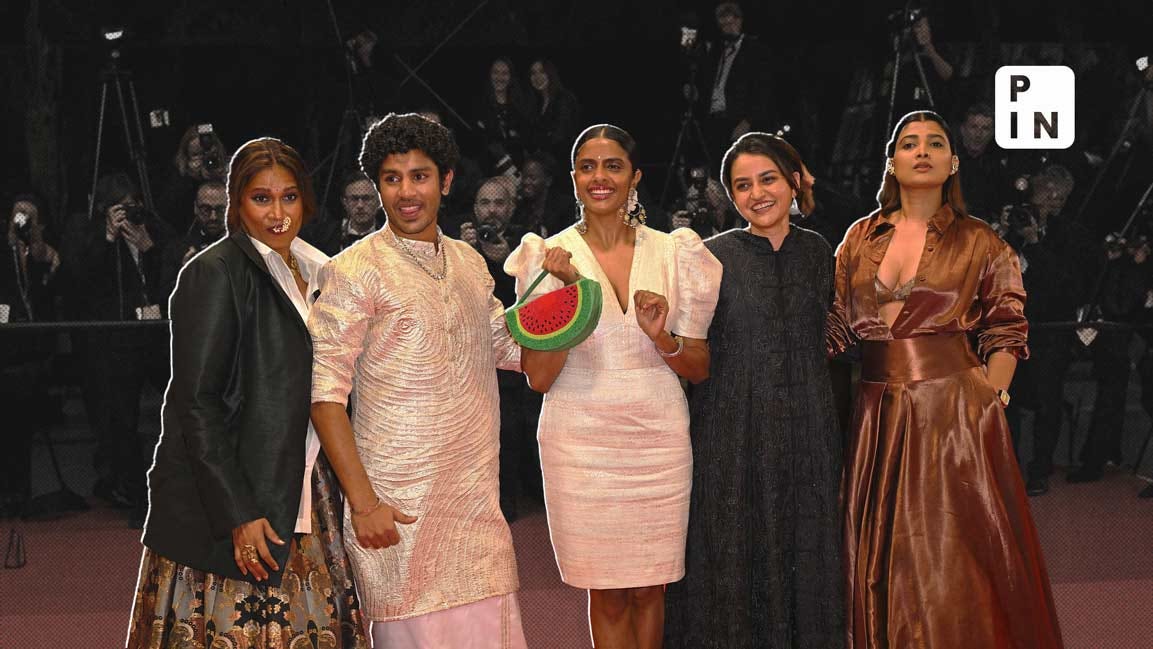
The director and cast of All we Imagine as Light at the Cannes Film Festival
An Indian film 'All we imagine as Light' by debutant director Payal Kapadia, a former student of the Film and Television Institute of India is making waves around the world. Most Indians only woke up to the sublime film when news broke that it became the first Indian film to win the Grand Prix at the 77th Cannes Film Festival. Who was Payal Kapadia and what is this film that moved the jury and the audience nominating it for the Palme d’Or, the most prestigious award at the Cannes festival?
When CNN news anchor Christiane Amanpour asked Payal Kapadia to explain the film, she said it was about exploring the idea of love because love is political in India. Love, she said, is not just about two individuals and their choices; it is viewed mostly through the lens of marriage, which, by extension, is a function of caste and religion.
(https://edition.cnn.com/2024/12/12/Tv/video/amanpour-payal-kapadia-film-all-we-imagine-as-light)
The film 'All We Imagine as Light' explores the life of three women working in a hospital in Mumbai, the financial capital of India, and how they explore their love and longing in what is a 'city of dreams and Bollywood' but claustrophobic and merciless in equal measure. Using aspects of documentary style filmmaking, Payal gives the world a window into the fast-paced life of Mumbai with its migrant workers, their struggles, the life of the working class traveling in overcrowded trains, their desire to have a roof over their head as big business houses monopolise the housing sector.
Through the eyes of the protagonists, it explores the ideas of female sexuality, desire, the theme of marriage, the essential freedoms of a woman largely viewed through the prism of a moralistic and patriarchal setup. While one of the protagonists, Prabha (Kani Kusruti) leads a lonely life as a head nurse, abandoned by her husband who lives in Germany, the other nurse Anu (Divya Prabha) is jeered at for being a 'over-friendly' woman, scandalously dating a Muslim man. In a country like India, where laws are being framed against inter religious marriage, Anu's love is an act of rebellion.
And then there is Parvaty, the third of the protagonists, a cook in the hospital, fighting to save her land, the place she calls home, fighting for her independence. A storytelling so humane, seen
...This excerpt is provided for preview purposes. Full article content is available on the original publication.