Week One
Deep Dives
Explore related topics with these Wikipedia articles, rewritten for enjoyable reading:
-
Theory of multiple intelligences
14 min read
Linked in the article (30 min read)
-
W. B. Yeats
14 min read
The teacher names their classroom 'The Shadows of Fergus' after Yeats' poem 'Who Goes With Fergus?' and describes it as part of their pedagogical origin story. Understanding Yeats' life, Irish literary revival involvement, and symbolist poetry would deepen appreciation for why this poem resonates as a classroom philosophy.

I am very familiar with starting a new school year. Last week was the first week of my 24th year as a public school teacher. I know what to expect: new students; new parents; new school supplies. No matter how many times I’ve started a new year with students, I never tire of the feeling of having a fresh start. The new students who are assigned to me each year come with their own stories and collection of schooling experiences. Many times, these are mostly positive or neutral classroom experiences. Sometimes however, students have had very challenging (or even traumatic) classroom or school experiences. My classroom then becomes a safe haven for students who need it the most. That is what I provide at the start of a new school year.
The first week of school is for building community. I delay teaching academic content for at least the first four days of school while we are getting to know each other, building trust, and students are learning the routines of my classroom. This does not mean there is no reading, writing, or mathematics during this first week. I don’t use meaningless filler activities or uncomfortable icebreakers. Instead, I take time to get to know each of my students, facilitate opportunities for students to get to know each other, and teach them how to listen and learn from each other. In many ways, the first week of school is the most important of the entire school year. This week sets the tone for everything that is to follow: expectations, rituals and routines, conflict resolution, movement in the classroom, teaching and learning, and classroom discussions.
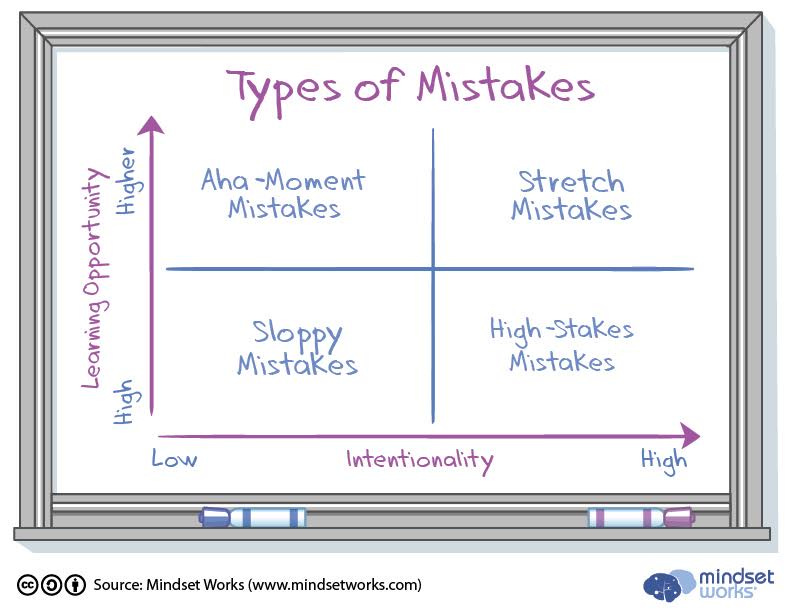
I am always amazed how much I have to deprogram my students from their previous inhumane classroom experiences. I have to teach my students that in our classroom, it is not only okay, but expected, that they advocate for their needs. If they have to use the restroom, all they need do is tell me where they are going and return quickly. If students need to stand up and move to a quieter table to work, they do not need to ask my permission. There are no penalties for making mistakes in our classroom. In fact, I celebrate mistakes. Without mistakes, there is no learning. Failing is expected.
This excerpt is provided for preview purposes. Full article content is available on the original publication.