Affordability, Part II
Deep Dives
Explore related topics with these Wikipedia articles, rewritten for enjoyable reading:
-
Hedonic treadmill
12 min read
Krugman's discussion of why Americans feel dissatisfied despite rising real incomes connects directly to hedonic adaptation - the psychological phenomenon where people return to a baseline happiness despite improved circumstances. Understanding this concept illuminates why purchasing power statistics don't capture subjective economic well-being.
-
Relative deprivation
10 min read
The article's emphasis on 'economic inclusion' and feeling like 'full members of society' describes relative deprivation - the concept that satisfaction depends not on absolute conditions but on comparison to reference groups. This sociological framework explains why people feel worse off even when objectively better off.
-
Just-world fallacy
12 min read
Krugman's point about fairness and people not wanting to feel 'taken advantage of by those in positions of privilege and power' relates to the just-world hypothesis - the cognitive bias that the world is fundamentally fair. When prices feel exploitative, it violates this deep psychological expectation, contributing to economic dissatisfaction independent of actual purchasing power.
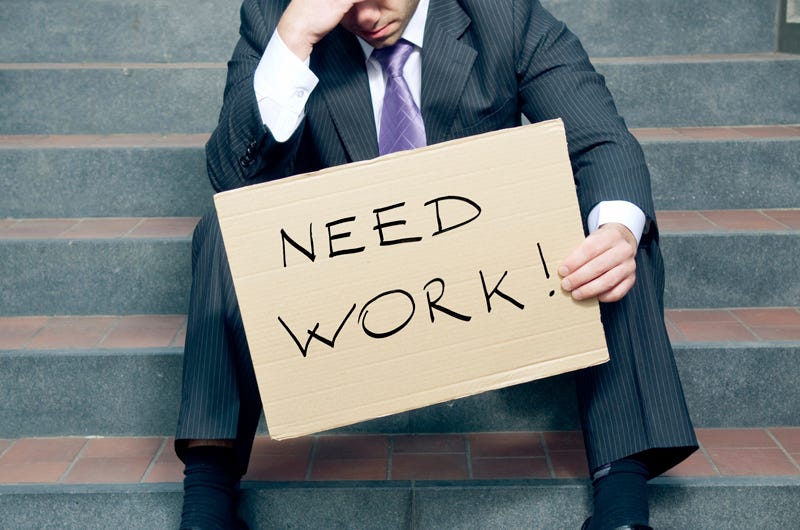
In last week’s primer I showed that the media’s usual story — that Americans have been impoverished by the surge in inflation that began in 2021 — isn’t right. In fact, according to the conventional measure that economists use to gauge purchasing power – real income – the purchasing power of most Americans is higher today than it was before the 2000 pandemic. But in last week’s primer I also argued that looking only at income divided by the Consumer Price Index (CPI) means that we miss some important ways in which the current economy is worse than the conventional measures indicate. In particular, I emphasized the adverse effects of high borrowing costs and low hiring, which aren’t included in the CPI.
Beyond that, I also argued our general sense of affordability encompasses more than just purchasing power. We also care about economic inclusion, security, and fairness.
Beyond the paywall I’ll explain these concepts and how they help explain Americans’ economic dissatisfaction. Specifically, I’ll address the following:
1. Why life doesn’t feel affordable when people aren’t able to buy those goods and services that make them feel that they are full members of society.
2. Why life doesn’t feel affordable unless people feel assured that a stretch of bad luck won’t lead to financial disaster
3. Why it’s important to people that prices reflect their sense of fair play, and that they don’t see themselves being taken advantage of by those in positions of privilege and power.
This excerpt is provided for preview purposes. Full article content is available on the original publication.