The Costs of Youth Incarceration
Deep Dives
Explore related topics with these Wikipedia articles, rewritten for enjoyable reading:
-
Kalief Browder
13 min read
The article opens with Browder's tragic case as a central example of youth incarceration's failures. His story became a national symbol of criminal justice reform, and understanding the full details of his case provides essential context for the debate.
-
Rikers Island
12 min read
Rikers is discussed extensively as an example of failed incarceration. Understanding its history, notorious conditions, and the ongoing political battles over its closure provides crucial context for the article's arguments about institutional failure.
-
Juvenile delinquency
11 min read
The article debates competing theories about how to handle youth offenders. Understanding the historical and sociological frameworks around juvenile delinquency—including how different societies have approached it—enriches the reader's understanding of this policy debate.
Over the summer, I published my friend Robert Cherry’s essay “More, not Less, Prison May Improve the Life Chances for Youthful Offenders.” I thought it was an incisive and rather alarming intervention in debates about crime reduction and recidivism. Robert is a distinguished economist, a professor emeritus at Brooklyn College and an adjunct fellow at the American Enterprise Institute, and I’ve long known him to be sincerely committed to coming up with practical solutions to problems affecting black communities. So I take his argument very seriously.
Youth diversion programs targeting at-risk boys and young men, Robert argues, have largely failed. So have “Raise the Age” laws that keep even those youthful offenders convicted of serious crimes out of prison. Youth offending, recidivism, and long-term unemployment remain tenacious problems. Rather than reducing or eliminating prison sentences for young offenders, Robert says, we should look to prisons as effective vehicles for rehabilitation. He argues that prison often provides youthful offenders with skills and discipline they can use after release, as well as services to help them reenter society. It’s a forceful case for remedies that the author himself recommends only “reluctantly,” amid what he sees as an absence of better solutions.
Since I published the essay, I’ve been casting around for responses to this provocative take on youth offending. I finally found some takers: Vincent Schiraldi and Lael Chester, who have decades of experience between them working with young offenders. They provide a vigorous rebuttal to Cherry’s recommendations, arguing that prison produces dismal outcome for incarcerated youths. Cherry’s reply to their rebuttal is below their essay.
The Glenn Show is almost entirely subscriber supported. Become a full subscriber and help my team and I continue to deliver essays like this, along with all of our other programming, including weekly livestreams, bonus episodes, and monthly Q&As with John McWhorter.
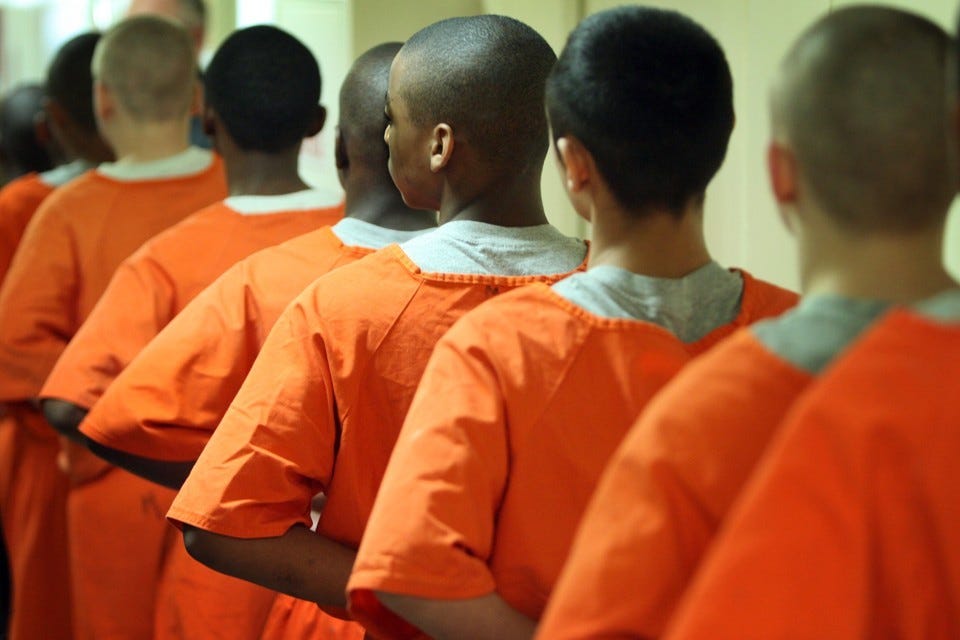
The Costs of Youth Incarceration: A Response to Dr. Robert Cherry
By Vincent Schiraldi and Lael Chester
Sixteen-year-old Kalief Browder is accused of stealing a backpack and spends over 1,000 days in New York City’s notorious Rikers Island jail, 700 of them in solitary confinement. While there, he is repeatedly assaulted by other youth and staff alike. Two years after his case is dismissed and he is released, he takes his own life.
That same year, 2015, city officials entered into a consent decree over violence in Rikers, empowering a judge to monitor
...This excerpt is provided for preview purposes. Full article content is available on the original publication.