Satoshi Kon's Impossibly Real Tokyo
Deep Dives
Explore related topics with these Wikipedia articles, rewritten for enjoyable reading:
-
Satoshi Kon
19 min read
The article focuses on Kon's directorial techniques and artistic philosophy for Tokyo Godfathers, but readers would benefit from understanding his broader career, influence on animation, and tragically short life that ended at 46, making his complete filmography remarkably compact yet influential.
-
Homelessness in Japan
10 min read
Tokyo Godfathers centers on three homeless protagonists in Tokyo, and the article mentions Kon's desire to show 'homeless camps near government skyscrapers.' Understanding the social reality and cultural context of homelessness in Japan adds depth to appreciating the film's subject matter and Kon's social commentary.
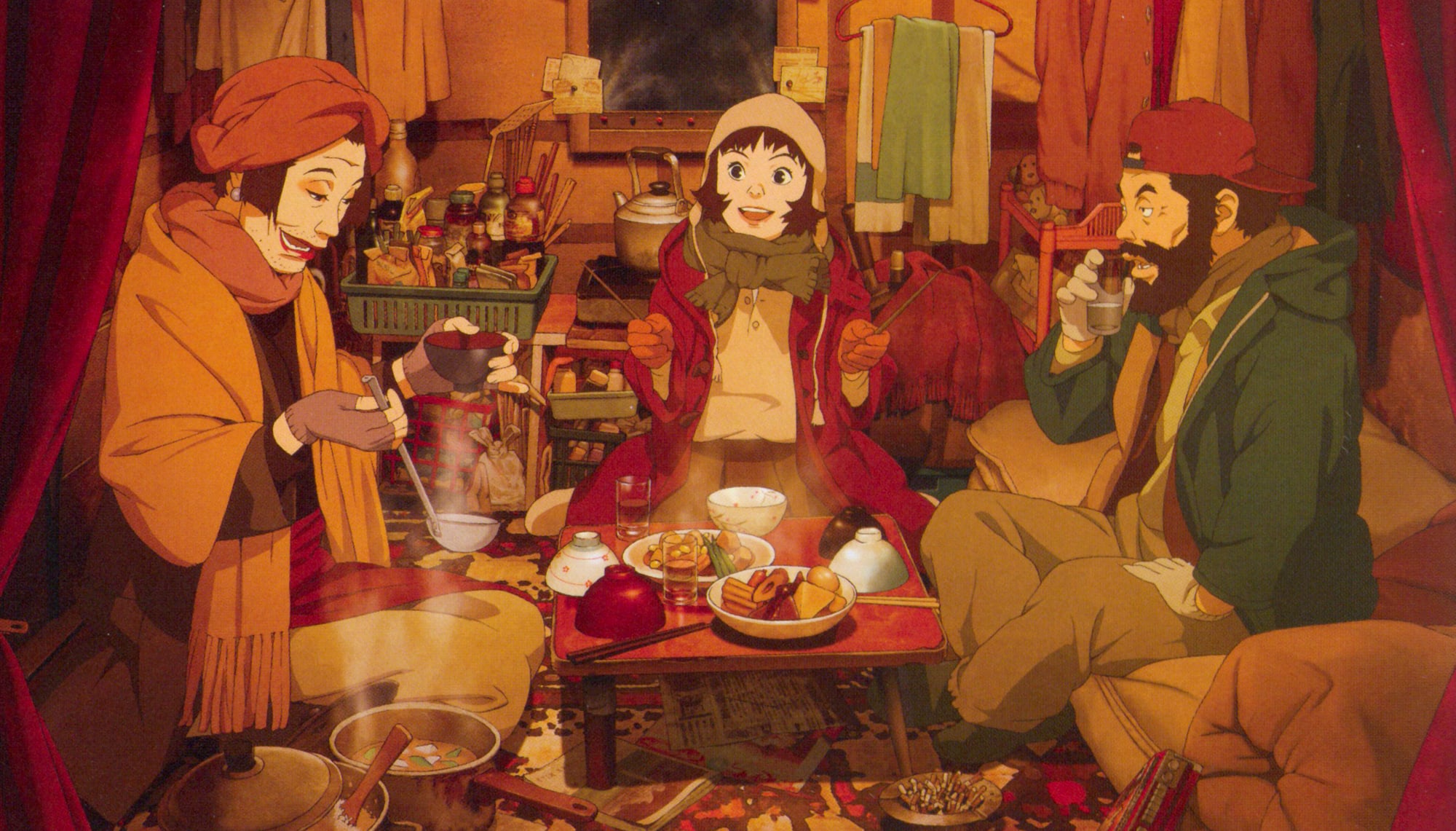
Welcome! Hope you’re doing well. It’s another Sunday issue of the Animation Obsessive newsletter, and here’s the plan:
1) On the backgrounds of Tokyo Godfathers.
2) An animated music video.
3) Newsbits.
Now, let’s go!
1 – A super-real world
Tokyo Godfathers (2003) is an unlikely holiday film. Its director, Satoshi Kon, wasn’t trying to create a rival to Rudolph — this is far from a Christmas special or a family movie. But it is a fun, heartwarming, emotional and endlessly rewatchable story that revolves around Christmas. So, here we are again.
We’ve written before about the magical characters who power Tokyo Godfathers. For Kon, this film was an experiment in acting — extreme, cartoony gestures and facial expressions take center stage. His animators, many of them Ghibli veterans, ensured that the lead characters Hana, Miyuki and Gin deliver memorable performances in every stage of their quest to return a lost newborn home.
But it took one other component to make their acting really pop. Kon’s team contrasted the cartooniness with one of the most detailed worlds ever to appear in a 2D animated feature. Under art director Nobutaka Ike, the backgrounds became close to photoreal. As animator Aya Suzuki recalled from her conversations with Kon:
All the animators started going really wacky and mad and very expressive. And he said, every time the animators were getting crazier and crazier, he had to instruct Ike-san, the art director, “More realistic! More realistic!” Because the animation was becoming so surreal, he needed something to keep the world in reality. 1
On his blog, Kon made it clear that this contrast was the point of Tokyo Godfathers. “The basic concept of this work is the ‘coexistence of conflicting images,’ such as ‘realistic and unrealistic’ or ‘tragedy and comedy,’ ” he explained.
The film needed backgrounds as real as the animation is unreal. Only then do viewers feel the intended effect.
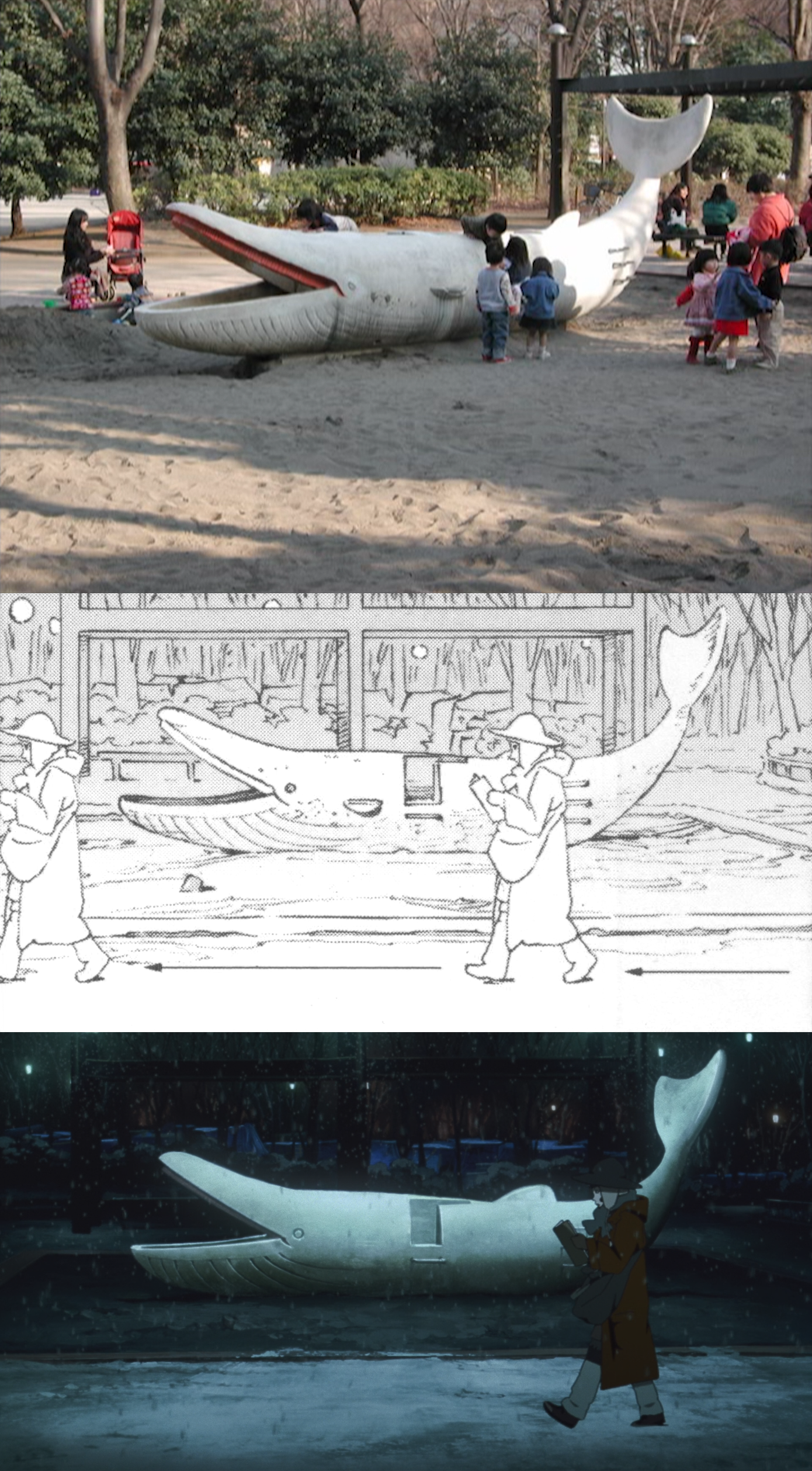
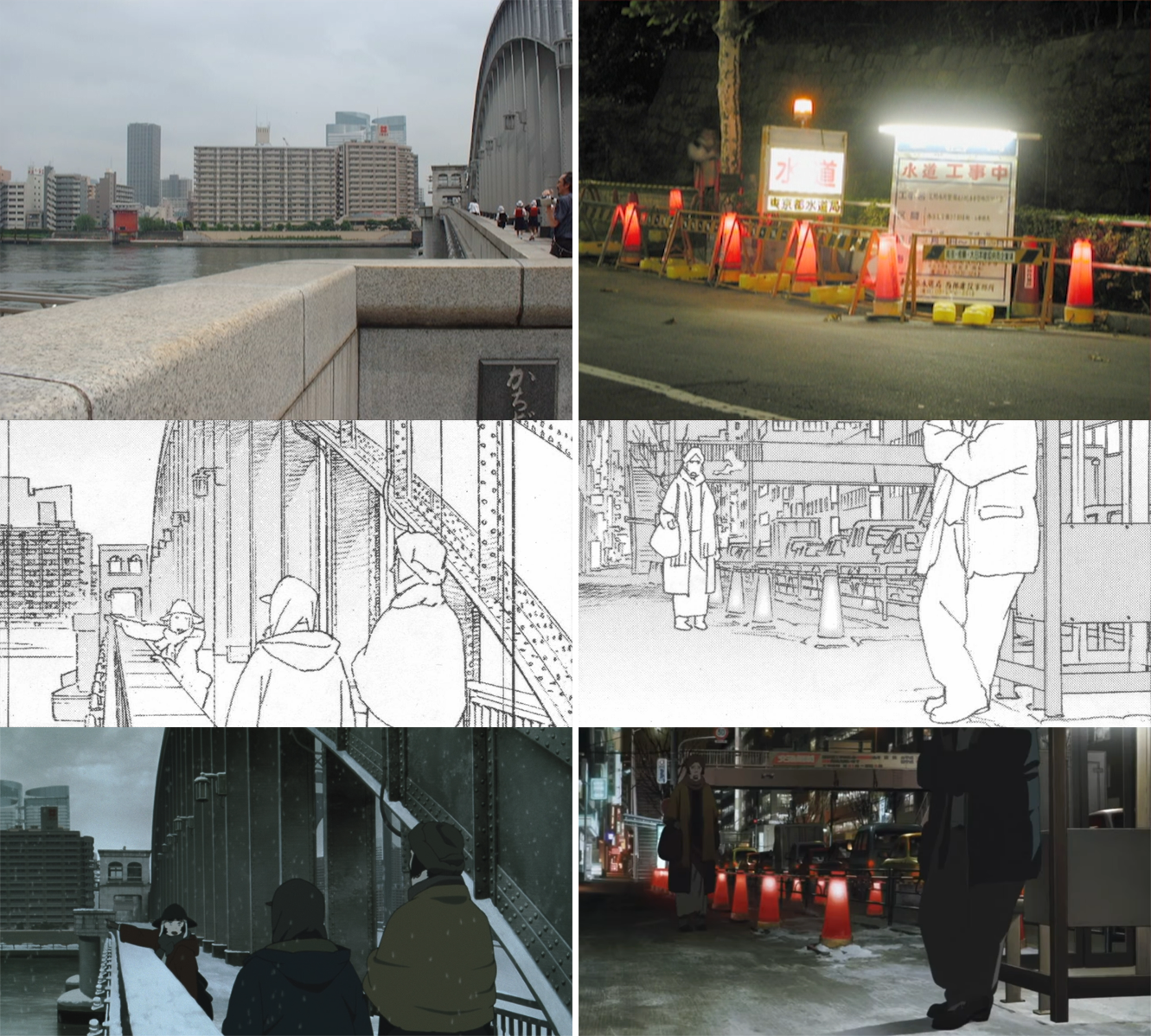
Which is why the world of Tokyo Godfathers looks so lived-in and elaborate. It’s based on the everyday Tokyo of that time — not the parts of the city seen in media. Many stories idealize Tokyo or hyperfixate on its grim underside, Kon wrote. He wanted to show
...This excerpt is provided for preview purposes. Full article content is available on the original publication.